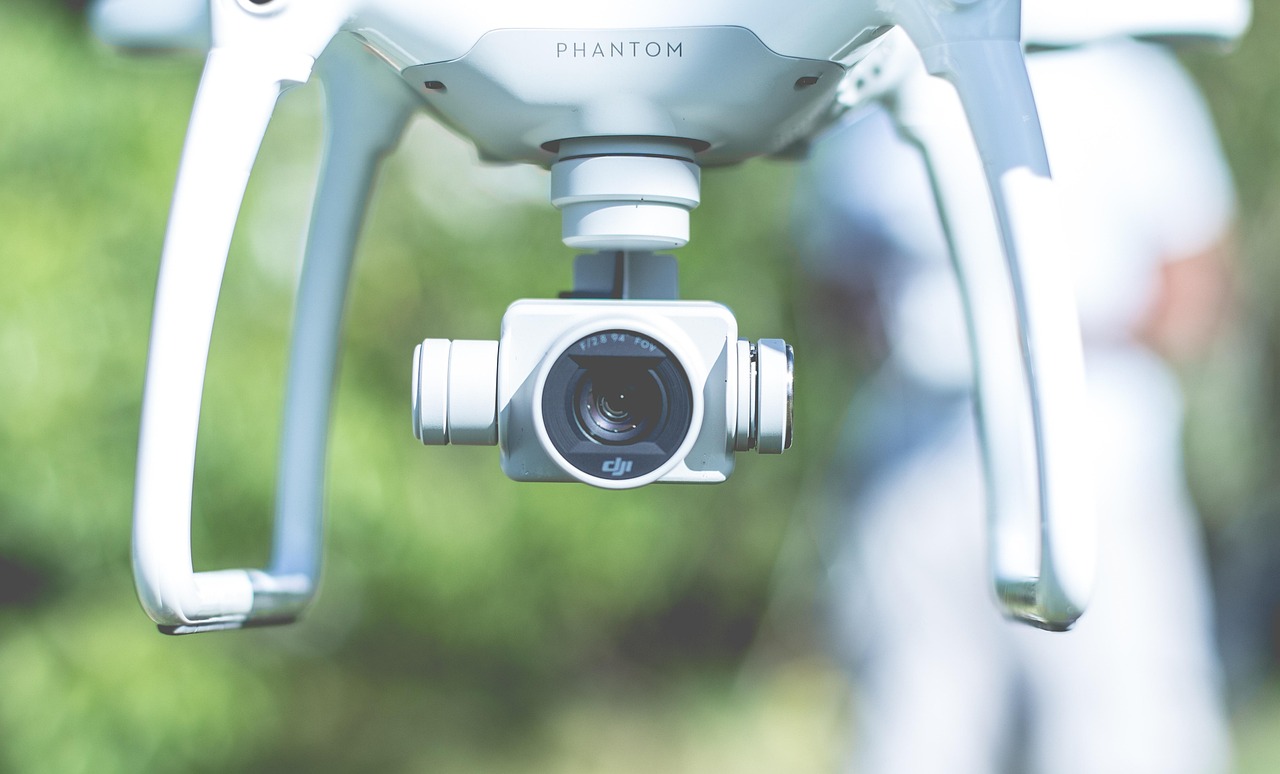
As reported by SecurityAffairs, German drone manufacturer Quantum Systems confirmed a cyberattack in late October 2026 that has led to the grounding of drones used by the German military. Reporting from Der Spiegel and the Financial Times indicates the likely vector was a malicious update file for QBase, the company's mission planning and drone control software — a classic supply chain compromise of the software distribution pipeline.
This incident deserves more attention than a standard breach notification. Quantum Systems manufactures the Vector reconnaissance drone (designated Falke in German military service) and is a documented supplier to Ukrainian forces. That positioning makes this not merely a criminal intrusion but a potential act of strategic disruption against a NATO member's defense industrial base.
Why the Update Vector Matters
Compromising a software update mechanism is one of the highest-leverage attack methods available to a capable adversary. It bypasses perimeter controls, exploits inherent trust relationships between vendor and customer, and can achieve persistence across dozens or hundreds of downstream organizations simultaneously. If QBase's update server was indeed compromised, every military unit, intelligence service, or government agency running that software becomes a potential victim — not through their own security failings, but through a trusted channel they had no reason to distrust.
The most dangerous supply chain attacks don't exploit code — they exploit trust. When a defender's update pipeline becomes an attack pipeline, the entire security model inverts.
Quantum Systems has stated there is no risk to operators of its unmanned systems. This is a carefully worded claim that may be technically accurate regarding flight safety while sidestepping the more serious question: was mission data, reconnaissance imagery, or operational planning data exposed? A compromised mission planning tool doesn't need to crash a drone to cause strategic damage — it needs only to exfiltrate where that drone has been flying and what it has observed.
Who Is at Risk
Broader Implications
The targeting of defense companies supporting Ukraine is not new — it has been persistent since at least 2022. What is evolving is the sophistication. Russian-linked threat groups have previously targeted logistics firms and defense suppliers using spear-phishing and credential theft. A supply chain compromise of an update server represents a maturation of capability: the patient compromise of infrastructure rather than individuals. This suggests either state-level resources or a criminal group operating with state tolerance and direction.
For the broader defense industrial base, this incident should trigger a reevaluation of how software updates from critical suppliers are validated, staged, and deployed. The assumption that vendor-signed updates are safe by default is no longer tenable in an environment where vendors themselves are the targets.
Shield53 Recommendations
- Inventory and isolate: Any organization running QBase should inventory installations, isolate affected systems from operational networks, and await verified clean updates from Quantum Systems
- Update integrity verification: Implement code signing verification with vendor-published hashes for all defense-critical software updates; do not rely on TLS alone
- Network segmentation: Mission planning systems should operate on air-gapped or strictly segmented networks; never on the same segment as general-purpose computing
- Threat hunting: Search endpoint and network logs for anomalous outbound connections from QBase hosts, unexpected executable loads, or certificate validation failures during update processes
- Information sharing: Defense contractors should report similar incidents through CSIRT channels and NATO CCDCOE to enable collective defense mapping
- Vendor due diligence: Require software suppliers to demonstrate update infrastructure security controls including signed updates, reproducible builds, and independent audit of CI/CD pipelines
The grounding of military drones over a vendor compromise is a stark reminder that modern warfare's weakest link is often not the weapon system itself but the software supply chain that sustains it. Expect more of these incidents as the defense sector's digital attack surface continues to expand faster than its security posture can adapt.