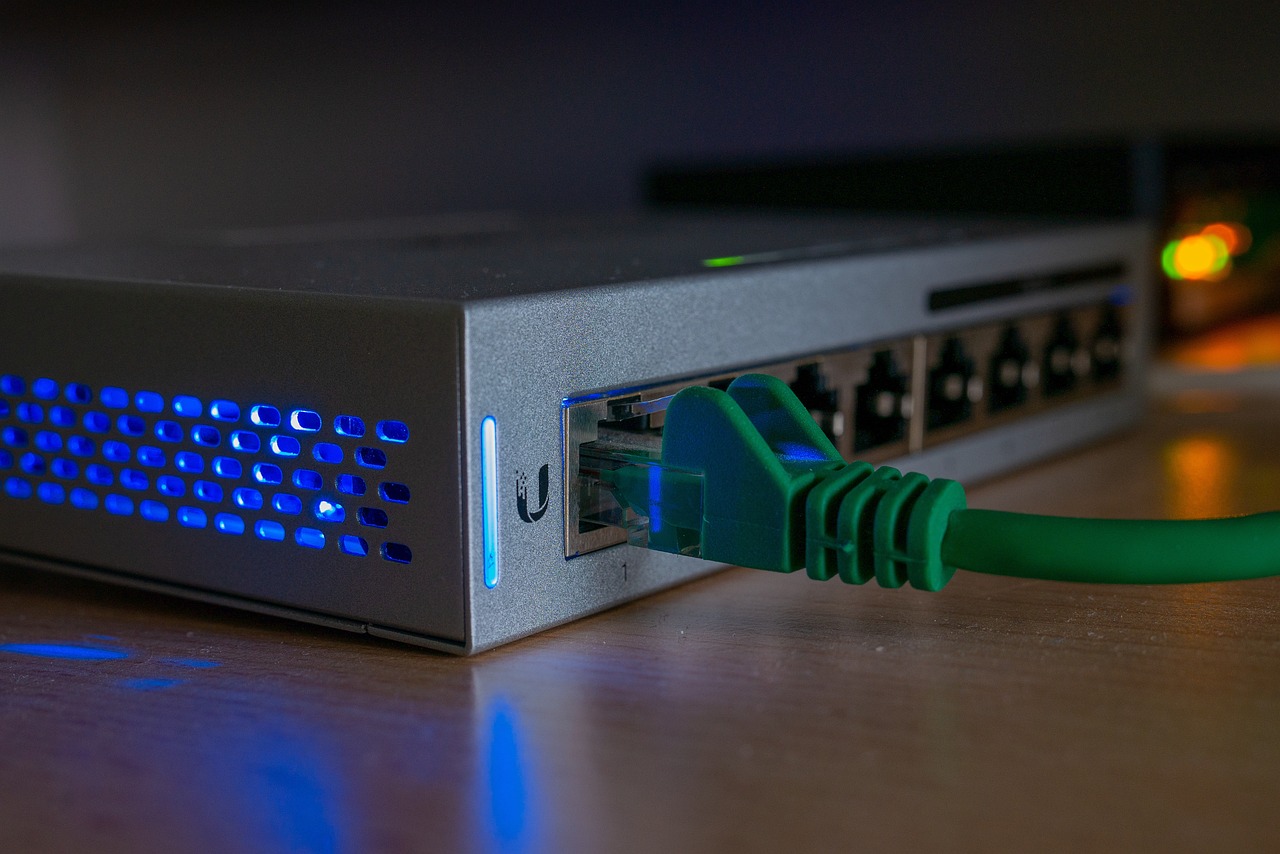
As reported by The Hacker News, Zyxel GS1900 series switches patched against the actively exploited CVE-2026-7273 remain vulnerable to the same attack chain due to a patch-incomplete flaw now tracked separately as CVE-2026-107441. This is a case study in why patching is not equivalent to remediation — and why network-edge devices with exposed management interfaces remain one of the highest-value targets in enterprise environments.
Vulnerability Summary
| CVE | Description | Severity | Exploited in the Wild | Patch Status |
|---|---|---|---|---|
| CVE-2026-7273 | Unauthenticated command execution via web management interface on Zyxel GS1900 switches | Critical (KEV-listed) | Yes — ~996 switches compromised (~Aug 17, 2026) | Fixed in 2.90 Patch 2 (incomplete) |
| CVE-2026-107441 | Patch-incomplete bypass of CVE-2026-7273; same root command execution path remains accessible | Critical (presumed) | Confirmed exploit existed before Sept 29 disclosure; vendor advisory silent on post-patch exploitation | Fixed in 2.90 Patch 3 firmware (Oct 23, 2026) |
Affected Products
All 10 GS1900 models running firmware versions at or below 2.90 Patch 2 are affected. This includes: GS1900-8, GS1900-8HP, GS1900-10HP, GS1900-16, GS1900-24, GS1900-24E, GS1900-24EP, GS1900-24HPv2, GS1900-48, and GS1900-48HPv2. Each model has a specific Patch 3 build identifier (e.g., 2.90(AAHH.3)C0 for the GS1900-8).
Why This Matters
This incident exposes two systemic problems that defenders frequently underestimate:
- Patch completeness is not guaranteed. Vendors issue fixes, organizations apply them, and CISA adds them to the KEV catalog with compliance deadlines — but if the underlying root cause is not fully addressed, the exploit path persists. Organizations that applied Patch 2 by the September 24 KEV deadline and checked the box are still exposed. This is the dangerous illusion of compliance-driven patching.
- Exposed management interfaces on network switches are force multipliers. The web management interface on a Layer 2 switch should never be reachable from untrusted networks. Yet GreyNoise observed mass exploitation of nearly 1,000 devices. An attacker with root on a switch can redirect traffic, intercept VLAN traffic, inject routes, or establish a persistent foothold inside the network perimeter — all without touching endpoints or servers.
The fact that Binarly identified a working zero-day exploit that predated their September 29 report — and that GreyNoise data shows attackers were already using it in August — suggests this capability was circulating among threat actors before the vendor or researchers were fully aware of the scope.
When a vendor issues a patch and the exploit still works, defenders must treat the device as if it was never patched at all. The KEV catalog entry for CVE-2026-7273 created false confidence that Patch 2 closed the gap.
Who Is at Risk
Organizations most exposed include those with GS1900 switches deployed in small-to-midsize enterprise branch offices, edge deployments, or environments where the web management interface is accessible beyond a dedicated management VLAN. SMBs are disproportionately affected here — the GS1900 is a budget-friendly managed switch line, and these deployments frequently lack network segmentation, dedicated management networks, or continuous monitoring. Any organization that applied Patch 2 and believed the risk was resolved is at elevated risk due to complacency.
Immediate Actions
Shield53 Recommendations
- Verify patch efficacy independently. After applying any critical patch — especially for KEV-listed vulnerabilities — validate that the original exploit path is truly closed. Use vendor advisories, researcher disclosures, and if available, proof-of-concept testing in a lab environment. Do not trust the patch version number alone.
- Segment management planes aggressively. Network device management interfaces belong on isolated management networks with strict ACLs. The web UI should be disabled by default; SSH with key-based auth on a management VLAN is the baseline. No switch management interface should be internet-reachable under any circumstance.
- Inventory and map your edge. You cannot patch what you do not know exists. Maintain an asset inventory of all network switches, including firmware versions, management interface exposure, and last-patched dates. This incident demonstrates that budget switch lines in branch offices are actively targeted — not just data-center core infrastructure.
- Monitor for patch-incomplete advisories. Subscribe to vendor security mailing lists and threat intelligence feeds for follow-on advisories. CVE-2026-107441 was assigned weeks after the original fix — organizations relying solely on the initial KEV notification would have missed it entirely.
- Plan for post-compromise, not just prevention. The vendor provided no workaround and no guidance on detecting prior compromise. Build your own incident response playbook for network infrastructure compromise: know how to factory-reset, re-enroll, and verify the integrity of switch configurations.
This is not the first time a vendor has issued an incomplete patch for a critical, actively exploited vulnerability — and it will not be the last. The lesson for defenders is structural: patching is a necessary but insufficient control. Continuous validation, interface hardening, and breach assumption must accompany every critical fix applied to infrastructure that sits on your network's edge.