
When network incidents strike, every second counts. Yet despite billions invested in monitoring tools and security platforms, most organizations still struggle with a fundamental problem: their incident response workflows collapse under pressure precisely when they're needed most.
The reality facing modern IT teams is stark. Alert fatigue has reached epidemic proportions, with security operations centers processing thousands of notifications daily from fragmented monitoring ecosystems. These alerts cascade from network infrastructure, identity management systems, security tools, and ticketing platforms—all operating in isolation.
The Manual Response Trap
During critical incidents, responders find themselves trapped in a cycle of manual coordination that burns precious time. Teams jump between disparate systems to piece together context, manually determine asset ownership, and coordinate response efforts across multiple platforms and departments.
This fragmented approach creates dangerous operational bottlenecks. While automated monitoring generates alerts at machine speed, human responders must manually process, investigate, and route incidents through complex organizational hierarchies. The disconnect between detection velocity and response coordination often transforms minor issues into major outages.
The gap between alert generation and coordinated response represents one of the most critical vulnerabilities in modern IT operations.
Consider a typical scenario: a network anomaly triggers simultaneous alerts across monitoring platforms. Security teams receive notifications about suspicious traffic patterns, while infrastructure teams see performance degradation alerts. Without automated correlation, these teams may investigate independently, duplicating effort while the underlying issue escalates.
Where Traditional Workflows Break Down
Network incidents follow predictable patterns, yet most organizations handle each event as if encountering it for the first time. The breakdown typically occurs at several critical junctions:
These inefficiencies compound during high-stress situations when teams are under pressure to restore services quickly. Manual processes that function adequately during normal operations often collapse when organizations face their most critical incidents.
The Automation Advantage
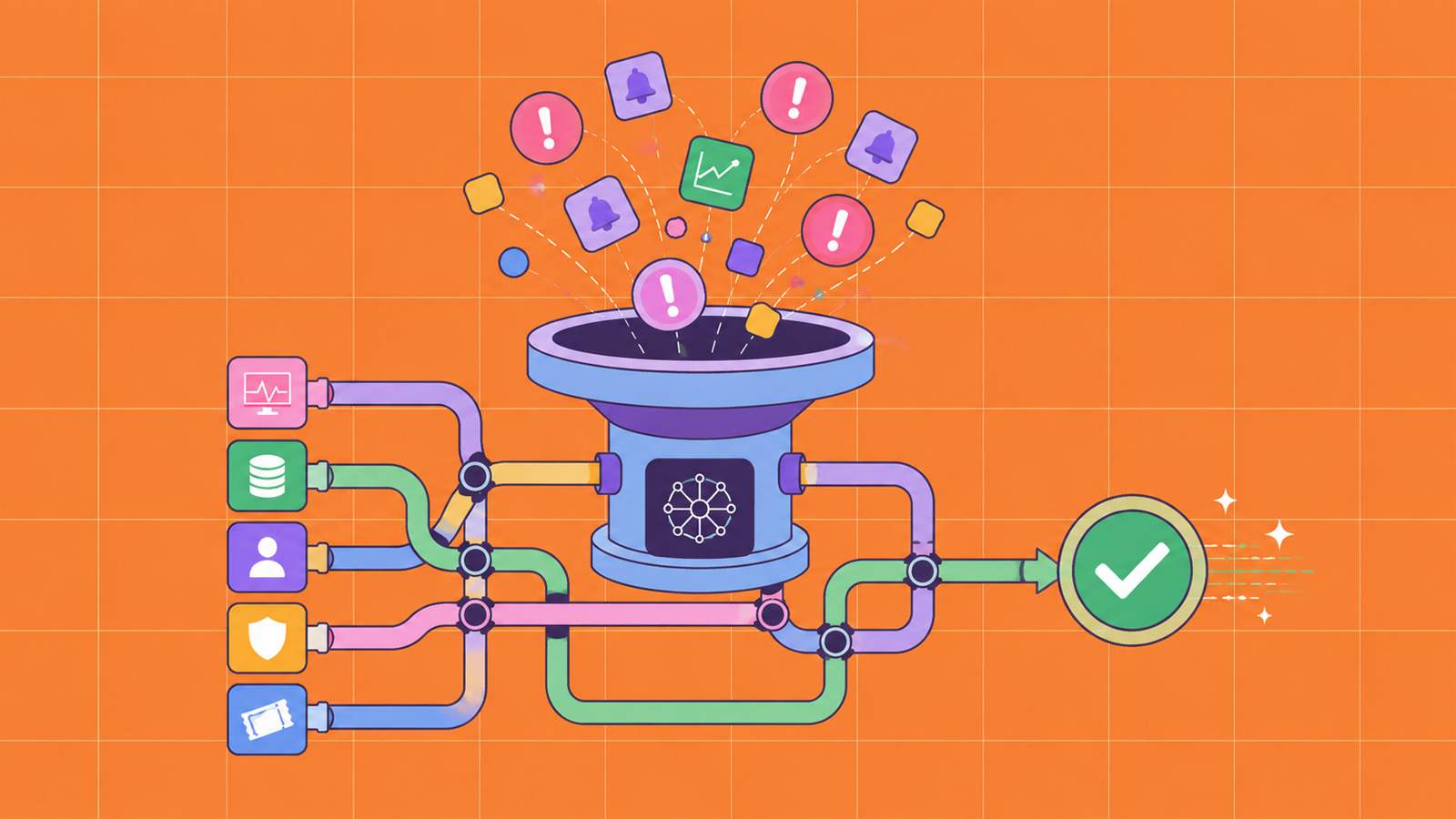
Forward-thinking organizations are addressing these challenges through intelligent workflow automation that bridges the gap between alert generation and coordinated response. Modern automation platforms can orchestrate complex incident response procedures by connecting previously isolated systems and streamlining decision-making processes.
Effective automation focuses on enriching initial alerts with contextual information from multiple sources—network topology data, asset ownership records, threat intelligence feeds, and historical incident patterns. This enrichment transforms basic alerts into actionable intelligence that enables faster, more informed response decisions.
Intelligent Routing and Prioritization
Advanced automation systems can automatically route incidents to appropriate response teams based on predefined criteria, asset classifications, and organizational structures. This eliminates the manual triage bottleneck that often delays initial response efforts.
Similarly, automated prioritization engines can assess incident severity by correlating multiple factors: affected system criticality, potential business impact, current threat landscape conditions, and historical incident data. This ensures critical issues receive immediate attention while preventing alert fatigue from less severe events.
Building Resilient Response Workflows
Organizations implementing automated incident response workflows report significant improvements in mean time to resolution and overall operational efficiency. However, successful automation requires careful planning and integration across existing technology stacks.
The most effective approaches focus on orchestrating human expertise rather than replacing it entirely. Automation handles routine tasks—data gathering, initial analysis, notification distribution—while human responders focus on complex decision-making and strategic incident management.
Key Takeaways
Network incident response effectiveness hinges on eliminating manual bottlenecks that slow coordinated responses during critical situations. Organizations should prioritize:
- Workflow assessment: Identify where manual processes create delays in current incident response procedures
- System integration: Connect monitoring platforms, ticketing systems, and communication tools through centralized orchestration
- Context automation: Implement systems that automatically enrich alerts with relevant network, identity, and threat intelligence
- Intelligent routing: Deploy automated assignment mechanisms that direct incidents to appropriate response teams without manual intervention
- Continuous optimization: Regularly review and refine automated workflows based on incident post-mortems and performance metrics
The future of network incident response lies in intelligent automation that amplifies human expertise while eliminating the coordination delays that turn minor issues into major disruptions. Organizations that master this balance will gain significant competitive advantages through improved operational resilience and faster service restoration capabilities.


