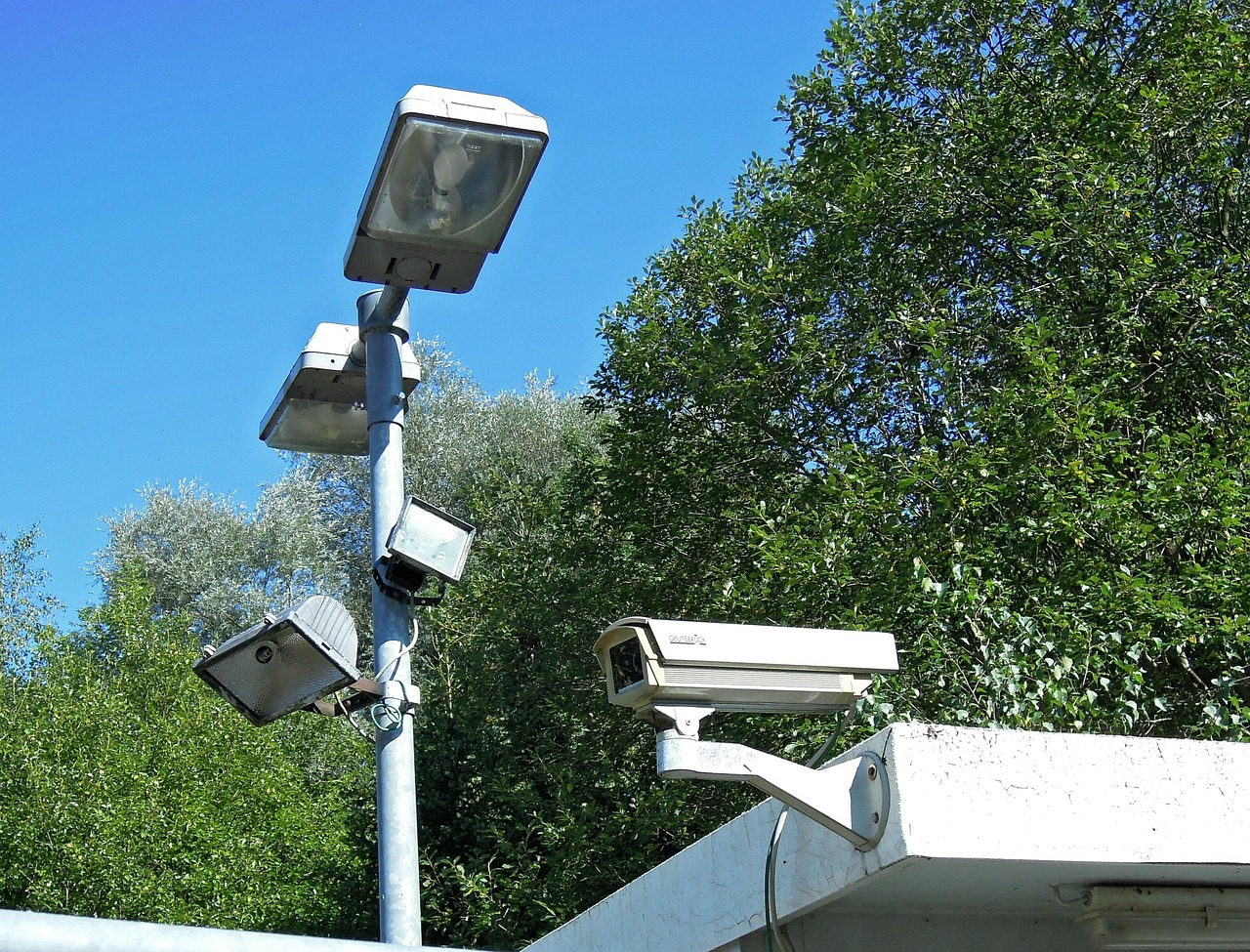
As reported by CISA in advisory ICSA-26-286-02, Swann Communications' SWIFI-SE2KIC firmware versions 2.0.22 and prior contain three related vulnerabilities — CVE-2026-107605, CVE-2026-107606, and CVE-2026-107607 — all stemming from the same fundamental design flaw: missing authentication for critical functions. An attacker with local network access can view live video feeds, retrieve snapshots, and potentially interact with the device's streaming functionality without ever needing a password.
At Shield53, this advisory catches our attention not because the CVSS scores are astronomical — they're rated Medium (6.2 under v3.1, 5.9 under v4.0) — but because of what the vulnerability class reveals about the product's security architecture and where it's deployed. A surveillance camera that fails to authenticate access to its primary function is not a nuanced edge case; it's a broken trust model.
Vulnerability Details
| CVE | CVSS v3.1 | Impact | Patch Available |
|---|---|---|---|
| CVE-2026-107605 | 6.2 MEDIUM | View live video feed without authentication | No — mitigations only |
| CVE-2026-107606 | 6.2 MEDIUM | Retrieve live feed snapshots without authentication | No — mitigations only |
| CVE-2026-107607 | 6.2 MEDIUM | Unauthenticated access to critical streaming function | No — mitigations only |
Affected product: Swann Communications SWIFI-SE2KIC, firmware ≤ 2.0.22Vendor: Swann Communications (Australia)Deployment: Worldwide, including Commercial Facilities sectorCWE: CWE-306 — Missing Authentication for Critical FunctionActive exploitation: Not confirmed in the wild at time of advisory
Why This Matters More Than the Score Suggests
The CVSS vector (AV:L/AC:L/PR:N/UI:N/S:U/C:H) limits this to local network access, which tempers the headline number. But that framing understates the real-world risk. Many Swann cameras sit in commercial environments — retail stores, small offices, warehouses — where network segmentation is nonexistent and every employee device shares a flat L2 domain with the surveillance system. A compromised laptop, a rogue IoT device, or even a guest on the Wi-Fi network becomes a vantage point for undetected surveillance.
The implications cut both ways. An attacker who can watch your camera feeds learns your security posture in real time: when guards rotate, when facilities are empty, where valuable assets are staged. This is pre-breach reconnaissance conducted passively, with zero credentials and zero logs if the camera doesn't record access attempts — which, given the authentication gap, it likely doesn't.
Surveillance cameras are supposed to be your eyes. Missing authentication turns them into someone else's.
Who Is Most Exposed
Immediate Actions
- Inventory — Identify all SWIFI-SE2KIC devices on your network. Check firmware versions against the 2.0.22 threshold.
- Isolate — Move cameras to a dedicated VLAN with no internet exposure. Block RTSP (default port 554) at the firewall boundary. Prohibit port forwarding and DMZ configurations for these devices.
- Monitor — Deploy network detection rules for unexpected RTSP session initiation from non-camera-management hosts. A simple alert on TCP 554 connections from workstation subnets to camera subnets can flag reconnaissance.
- Escalate — Contact Swann support to request a firmware timeline. No patch exists today, which means the vulnerability window is indefinite until one ships.
Shield53 Recommendations
Treat these cameras as compromised-by-default until patched. If live feed confidentiality is a compliance or safety requirement, consider replacing SWIFI-SE2KIC units with cameras that enforce authentication on RTSP and support TLS-encrypted streaming. At minimum, enforce strict network ACLs: the camera subnet should communicate only with your NVR/VMS system and nothing else.
More broadly, this advisory reinforces a pattern we've tracked for years: consumer IoT devices deployed in commercial settings carry enterprise consequences. If you're a CISO or facilities security lead, require vendor authentication and encryption standards in procurement criteria for any surveillance hardware touching sensitive areas. The absence of a patch means mitigation is your only lever — and network isolation is the one that actually works.