As reported by SecurityAffairs, the BBC has disclosed a contingency plan for so-called "Black Sky" events — catastrophic scenarios where electricity, water, and digital communications fail simultaneously — relying on FM radio broadcasts from a self-sufficient studio designed to operate for 72 hours. The plan draws on lessons from the 2015 Lancaster floods, where the only communication systems that survived were copper landlines and FM radio.
This story deserves more attention from the cybersecurity community than it's getting. It's not merely a civil defense curiosity — it's a case study in what happens when every assumption about modern communications infrastructure fails at once, and a reminder that our resilience planning often stops at the application layer while ignoring the physical dependencies underneath.
The Digital Dependence Trap
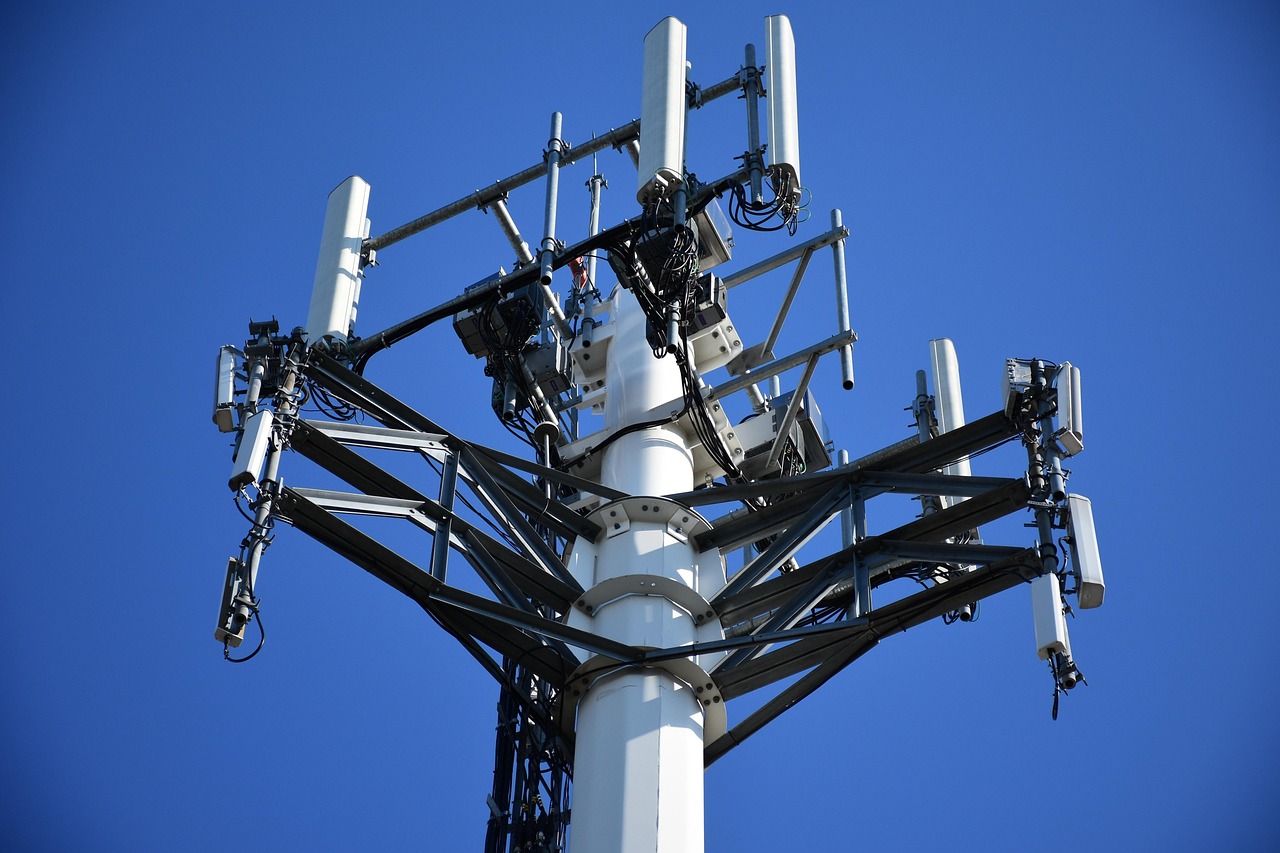
The Lancaster incident crystallizes a vulnerability that most organizations haven't internalized: every layer of our digital stack — cloud services, mobile networks, fiber backhaul, even VoIP telephony — ultimately depends on grid power. When that power fails broadly and for extended periods, redundancy built entirely within the digital domain collapses with it. IP failover between datacenters means nothing if neither datacenter has electricity. Cellular backup means nothing if cell towers can't refuel generators past 48 hours. The technologies we've spent two decades migrating away from — analog radio, copper POTS lines, one-way broadcast — are precisely the ones that survive cascading infrastructure failure.
For cybersecurity teams, this exposes a blind spot in business continuity planning. We test for ransomware, for credential compromise, for supply chain attacks. We rarely test for what happens when the physical substrate itself disappears.
Why Black Sky Scenarios Are a Cybersecurity Problem
The UK government's own Be Ready campaign, referenced in the BBC report, explicitly names cyberattacks alongside severe weather as potential disruptors of essential services. This is not theoretical. Threat actors have demonstrated the capability and willingness to attack power grids — from the 2015 Ukraine BlackEnergy attacks that knocked out substations affecting 230,000 people, to repeated probing of Western critical infrastructure by state-sponsored groups. A coordinated campaign against multiple regional power operators could plausibly create the multi-day outage the BBC is preparing for.
The phrase "nine meals from anarchy" — three days without food before social disorder — should reframe how CISOs think about recovery time objectives. Most enterprise DR plans target restoration within hours or a business day. Few contemplate operating without power, network, or municipal services for 72 hours or more.
What Organizations Should Be Asking
The BBC's approach — a self-sufficient broadcast studio with 72 hours of independent power — is specific to their role as a national broadcaster. But the underlying principle applies broadly:
Shield53 Recommendations
- Expand tabletop exercises to include multi-day, multi-infrastructure failure scenarios — not just cyber-only events. Include power, water, and telecommunications disruption in the same exercise.
- Audit your communication redundancy against Black Sky criteria. Identify which channels survive total grid failure. If the answer is "none," that's your gap.
- Stock physical resilience supplies at critical sites: generator fuel beyond 72 hours, satellite phones (with charged batteries and clear usage protocols), and hard-copy emergency contact lists.
- Coordinate with local emergency services and mutual aid organizations ahead of time. During a Black Sky event is too late to establish relationships.
- Review your cloud provider's physical resilience posture. Ask your providers about their fuel resupply contracts, generator redundancy, and multi-day outage procedures. SLAs mean little if the regional grid is down.
The most resilient system isn't the one with the most redundancy — it's the one with the most diverse redundancy. When an entire technology class fails, only a fundamentally different technology class can carry the load.
The BBC's plan is ultimately a bet that simplicity and longevity beat sophistication when the stakes are existential. That's a wager more organizations should consider making.