
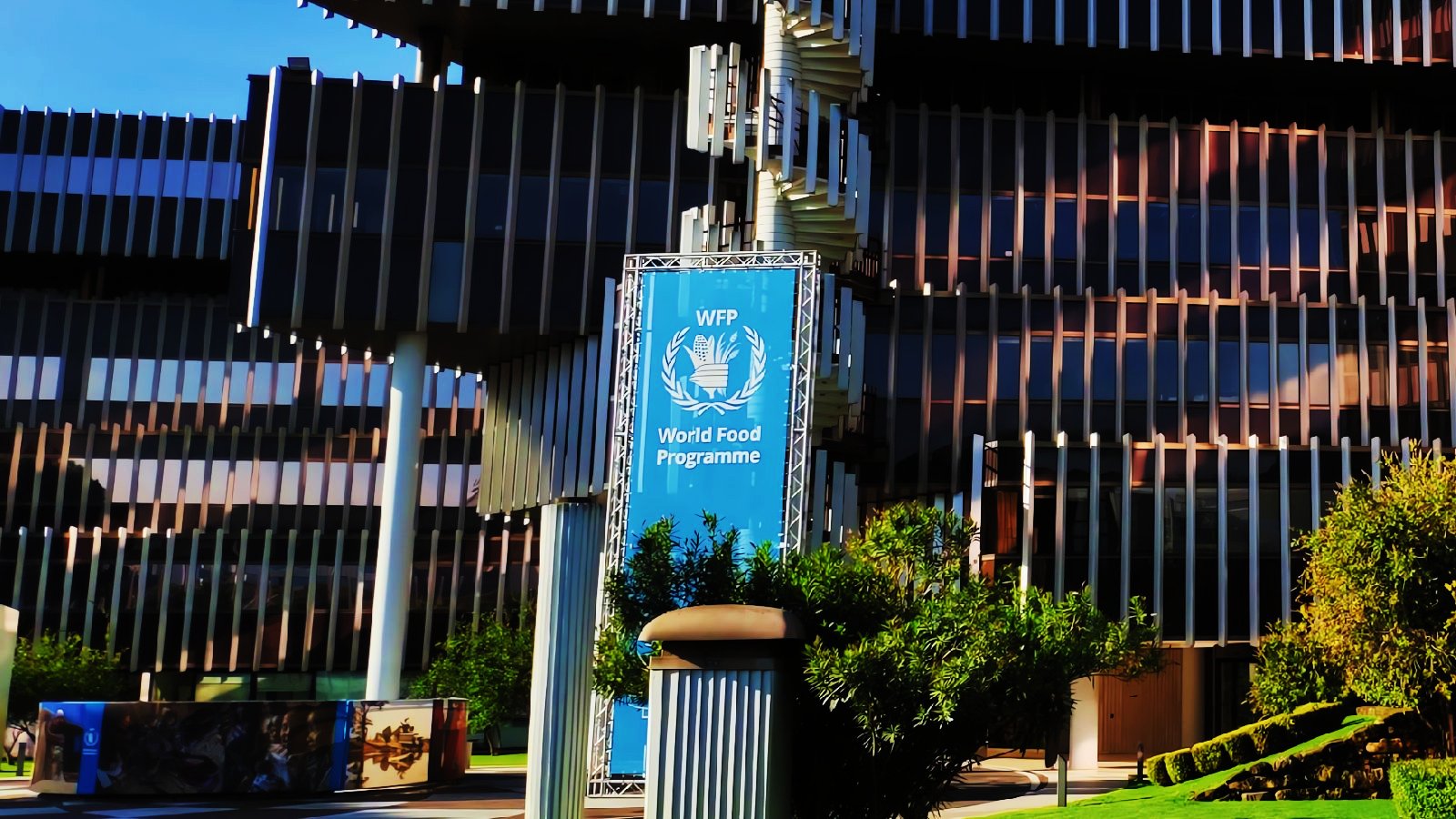
The World Food Programme's recent security incident highlights a troubling vulnerability at the intersection of humanitarian aid and cybersecurity. When attackers breached the organization's self-registration application in mid-May, they gained access to sensitive information from approximately 600,000 Palestinian households in Gaza—a population already facing unprecedented hardship.
The breach, disclosed over the weekend through a Telegram message to affected communities, exposed names, identification numbers, phone numbers, and neighborhood location data collected during the registration process for humanitarian assistance. While the WFP has emphasized that aid distribution will continue uninterrupted, the incident raises critical questions about data protection in crisis zones where vulnerable populations depend on digital systems for survival.
The Growing Target on Humanitarian Data
This latest incident fits a concerning pattern of cyberattacks targeting United Nations agencies and humanitarian organizations. The breach occurred against the backdrop of an intensifying conflict where access to food assistance can literally mean the difference between life and death for Palestinian families.
The compromised self-registration application served as a digital gateway for Gaza residents to access critical food, cash, and emergency assistance. By targeting this system, attackers didn't just steal data—they potentially weaponized humanitarian infrastructure against the very populations it was designed to protect.
Technical Response and Security Gaps
The WFP's response reveals both appropriate crisis management and potential security shortcomings. The organization immediately suspended its registration platform to implement security improvements and launched an investigation into the May 14 breach. However, the nearly three-week gap between the initial compromise and public disclosure raises questions about incident detection capabilities.
The attack vector remains undisclosed, but the successful breach of a system handling such sensitive humanitarian data suggests potential gaps in fundamental security controls. For organizations operating in conflict zones, the challenge extends beyond traditional cybersecurity—they must protect critical infrastructure while maintaining accessibility for populations under extreme duress.
Broader Implications for Humanitarian Cybersecurity
This incident illuminates a broader crisis in humanitarian cybersecurity. UN agencies have faced repeated attacks in recent years, from the 2019 Geneva office breach that went initially undisclosed to the 2024 8Base ransomware attack on the UN Development Programme. Each incident demonstrates how cybercriminals increasingly view humanitarian organizations as high-value targets.
The appeal is obvious: humanitarian agencies maintain vast databases of vulnerable populations, often with limited cybersecurity resources compared to their exposure levels. They operate across multiple jurisdictions with varying security requirements, creating complex attack surfaces that are difficult to defend comprehensively.
The intersection of humanitarian crisis and cyber warfare creates unprecedented risks for civilian populations who depend on digital systems for basic survival needs.
Protecting Vulnerable Populations
The WFP breach underscores how cyberattacks in humanitarian contexts extend far beyond traditional data privacy concerns. When attackers compromise systems serving populations in active conflict zones, they potentially create additional vectors for exploitation, intimidation, or targeted violence against already vulnerable communities.
The stolen location data is particularly concerning, as it could enable physical targeting of Palestinian families who registered for food assistance. In conflict environments, even basic demographic information can become weaponized, transforming humanitarian registration into an inadvertent intelligence-gathering operation for malicious actors.
Key Takeaways for Organizations
As humanitarian crises increasingly intersect with cyber warfare, organizations like the WFP must evolve beyond traditional aid delivery models to become sophisticated digital defenders of the world's most vulnerable populations. The stakes couldn't be higher—in today's connected world, cybersecurity failures don't just compromise data; they can directly threaten human lives.


