
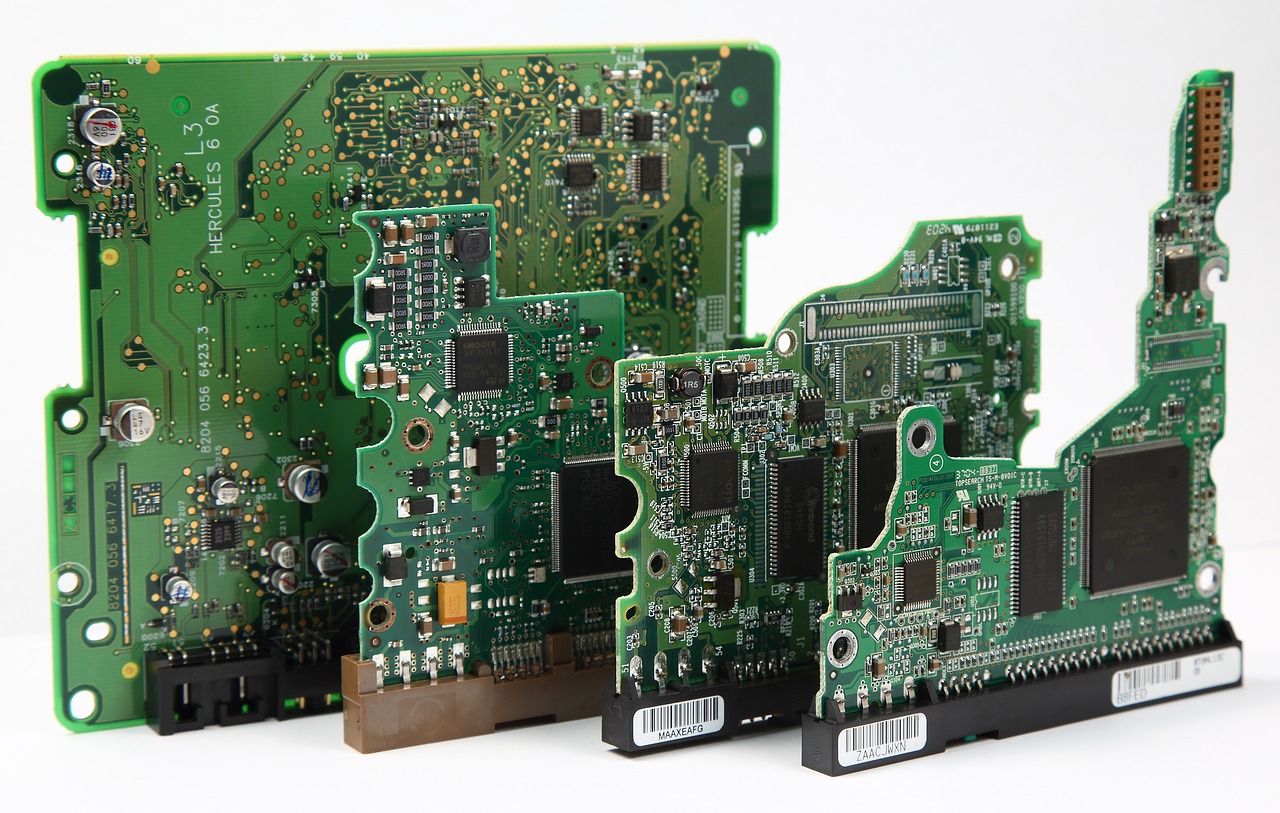
As reported by BleepingComputer, six newly disclosed vulnerabilities in the U-Boot bootloader — one of the most widely deployed open-source bootloaders in the embedded and IoT ecosystem — could allow attackers to execute malicious code at the earliest stages of device startup. The implications extend far beyond a typical software patch cycle.
Why Bootloader Vulnerabilities Are Uniquely Dangerous
Most cybersecurity defenses operate at the OS level or above — endpoint detection, antivirus, SIEM rules, and behavioral analytics all assume the underlying firmware and boot environment are trustworthy. Bootloader-level compromise shatters that assumption entirely. An attacker who can execute code during the boot sequence operates beneath the operating system, meaning:
This is the threat model that nation-state actors and sophisticated criminal groups actively pursue. Firmware implants like LoJax and CosmicStrand demonstrated years ago that this class of attack is not theoretical — it is operational and actively used in targeted campaigns.
Who Is Most at Risk
U-Boot is not a niche product. It is the de facto standard bootloader across an enormous swath of embedded hardware: network routers, industrial control systems, smart home devices, automotive systems, set-top boxes, and a significant portion of the ARM-based Linux ecosystem. The sheer diversity of affected hardware creates a patching problem that dwarfs most enterprise software vulnerabilities.
Organizations with the highest exposure include:
- Critical infrastructure operators running embedded Linux systems in OT/ICS environments
- Telecommunications providers with large fleets of consumer and enterprise-grade routers
- Industrial manufacturers using embedded controllers with long operational lifespans
- Healthcare organizations with networked medical devices running legacy firmware
- Managed service providers responsible for distributed edge hardware
The challenge is compounded by the fact that many U-Boot deployments are deeply embedded in vendor-specific firmware images. A patch to the upstream U-Boot project does not automatically translate into a firmware update for every affected device — vendors must integrate the fix, build and test new firmware, and then distribute it to customers who may never apply it.
The Supply Chain Dimension
These vulnerabilities also highlight a persistent blind spot in software supply chain risk management. Security teams routinely track CVEs in application software and operating systems, but firmware component inventories are rarely maintained with the same rigor. Organizations often have no reliable way to determine which of their devices run U-Boot, let alone which version. This is a fundamental gap that the broader industry is only beginning to address through initiatives like SBOMs (Software Bills of Materials).
If you cannot enumerate your firmware attack surface, you cannot defend it. These U-Boot flaws are a reminder that hardware asset management and firmware version tracking must be treated as core security hygiene — not optional extras.
Shield53 Recommendations
Immediate Actions
- Inventory your embedded devices: Conduct an immediate audit of all network-connected embedded hardware. Identify devices that may use U-Boot as part of their firmware stack — routers, IoT gateways, industrial controllers, and ARM-based appliances are the primary candidates.
- Check vendor advisories: Contact hardware vendors for affected devices and monitor their security advisory pages. Prioritize vendors who have not yet issued statements — silence may indicate slow response rather than non-applicability.
- Apply firmware updates promptly: Where vendor patches are available, treat firmware updates with the same urgency as critical OS patches. Establish a firmware patching SLA if one does not already exist.
- Segment embedded and IoT devices: Network segmentation limits an attacker's ability to leverage a compromised device as a pivot point. Devices that cannot be patched quickly should be isolated from sensitive network segments.
- Enable Secure Boot where supported: Verify that Secure Boot is properly configured on devices that support it, and audit whether the trust chain is correctly established from bootloader to OS.
- Deploy firmware integrity monitoring: Consider solutions capable of measuring firmware integrity at boot time (e.g., TPM-based attestation) for your highest-value embedded assets.
Longer-Term Strategic Steps
- Incorporate firmware component tracking into your SBOM program and vendor risk assessment processes
- Establish contractual requirements with hardware vendors for timely firmware security updates and end-of-support timelines
- Evaluate your incident response playbooks — do they include procedures for suspected firmware-level compromise? If not, they should.
Firmware vulnerabilities demand a fundamentally different response posture than application-layer flaws. The attack surface is broad, the patching pipeline is slow, and the consequences of exploitation are severe and long-lasting. Organizations that treat this class of vulnerability with the same urgency as a critical OS zero-day will be significantly better positioned than those who do not.


