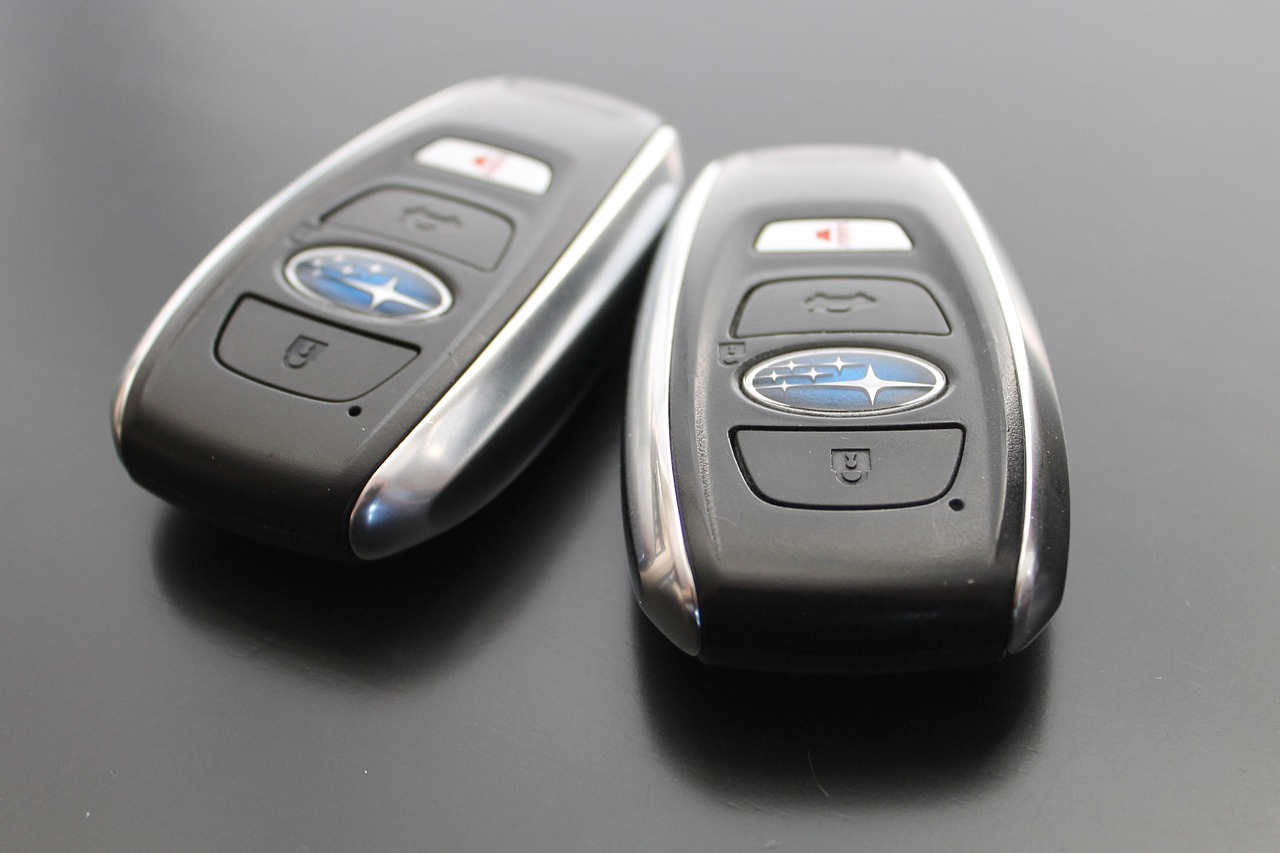
As reported by Dark Reading, Yubico has introduced YubiID, a service designed to bridge the gap between identity verification and credential enrollment/recovery across existing identity platforms. The announcement also includes a post-quantum YubiKey beta. This development deserves attention not because YubiID is a silver bullet, but because it surfaces a structural weakness most organizations have yet to confront.
The Gap Nobody Talked About
For the better part of a decade, the industry pushed phishing-resistant authentication — FIDO2, WebAuthn, passkeys — as the answer to credential theft. And it works: adversaries can't replay what was never transmitted. But the conversation almost entirely skipped over how users get those credentials in the first place, and what happens when they lose them.
Enrollment and account recovery are the soft underbelly of even the most hardened authentication programs. If an attacker can convince a help desk or an automated recovery flow that they are the legitimate user, they receive a freshly minted phishing-resistant credential — one that will pass every downstream check. The authentication is flawless; the identity binding was fraudulent.
The strongest lock in the world doesn't matter if the locksmith hands the keys to the wrong person.
Why This Matters Now
Several converging trends make this gap increasingly urgent:
The Post-Quantum Angle
The post-quantum YubiKey beta is a welcome early signal, but it's a secondary story. Harvest-now-decrypt-later attacks are a real long-term concern for encrypted communications, but the near-term ROI of addressing enrollment fraud vastly exceeds the risk of quantum decryption for most enterprises. Treat PQ readiness as a roadmap item, not a fire drill.
Who Is Most Exposed
Organizations with the following profiles face elevated risk:
- Large enterprises with high-volume help desk operations and reliance on knowledge-based verification
- Organizations using self-service recovery flows backed by email or SMS OTP
- Federated identity deployments where the IdP lacks strong identity proofing upstream
- Regulated industries (finance, healthcare, government) where recovery processes must balance security with availability mandates
Shield53 Recommendations
Immediate Actions
- Map your recovery and enrollment flows — Document every path by which a user can obtain, rebind, or reset credentials. Include help desk, self-service, and delegated admin paths.
- Eliminate SMS and email OTP as sole recovery factors — These are bypassable and inconsistent with phishing-resistant posture.
- Add device-bound identity proofing to enrollment — Require an existing trusted device, FIDO token, or in-person verification for new credential binding.
- Apply step-up verification to recovery — Recovery should be harder than login, not easier. Time-delayed approvals, secondary reviewer checks, and behavioral signals should gate resets.
Strategic Actions
- Evaluate identity verification platforms — Assess whether solutions like YubiID, or equivalent capabilities from your IdP vendor, can integrate with existing workflows without creating parallel identity silos.
- Instrument recovery monitoring — Recovery events should be a top-tier signal in your UEBA/SIEM. Spike in recovery requests from a new ASN or geo should trigger investigation, not just an alert.
- Plan PQ migration in phases — Inventory cryptographic dependencies, but don't re-prioritize active threats for a speculative one.
The authentication perimeter is only as trustworthy as the identity verification that precedes it. Yubico is right to name the problem; the question for defenders is whether they'll treat enrollment and recovery with the same rigor they've applied to the login itself.