
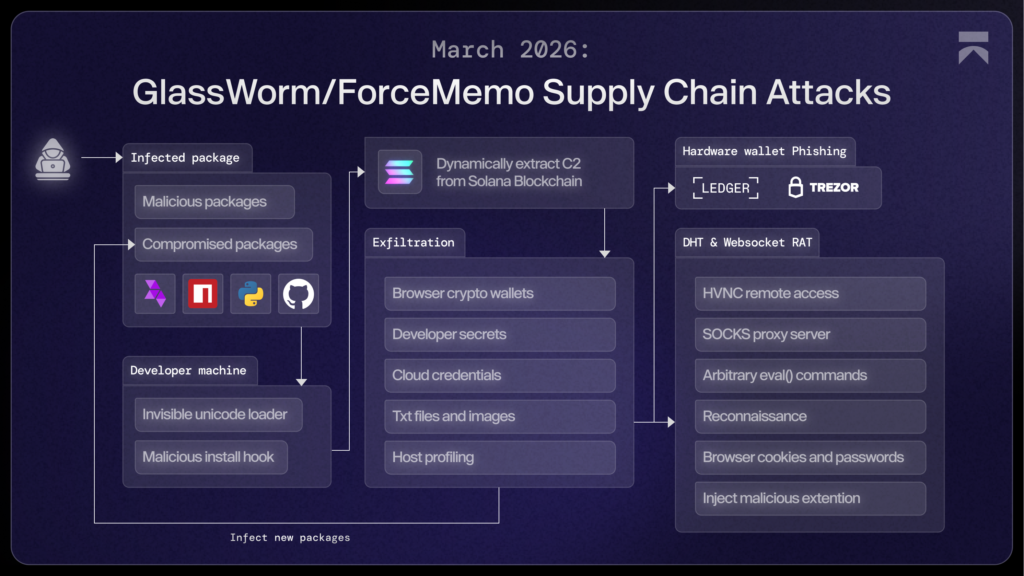
The developer ecosystem has become ground zero for an evolving supply chain attack that demonstrates how threat actors are adapting their tactics to exploit the trust inherent in software development workflows. A sophisticated campaign now deploys Zig-compiled droppers through fraudulent IDE extensions, marking a significant escalation in targeting methodologies.
From Package Poisoning to IDE Infiltration
What began as traditional package repository compromise has transformed into a multi-vector assault on developer infrastructure. The campaign initially focused on corrupting npm packages but has expanded to encompass GitHub repositories, Visual Studio Code marketplaces, and browser extension ecosystems. This evolution reflects the attackers' understanding that developers represent high-value targets with privileged access to organizational codebases and sensitive systems.
The latest iteration showcases technical sophistication through its use of native compiled binaries embedded within seemingly legitimate extensions. By impersonating popular developer tools like WakaTime—a widely-used productivity tracking extension—the attackers exploit the trust developers place in their development environment.
Technical Architecture of the Attack
The malware's deployment mechanism reveals careful engineering designed to maximize stealth and persistence. The Zig-compiled binary operates outside JavaScript sandbox restrictions, granting unrestricted system access that traditional web-based malware cannot achieve. This architectural choice allows the dropper to perform comprehensive system reconnaissance and establish persistence across multiple IDE installations.
Upon activation, the dropper initiates an automated discovery process, scanning for popular development environments including VS Code, Cursor, and VSCodium. This systematic approach ensures broad coverage across the developer's workflow, regardless of their preferred tools or setup configurations.
The subsequent payload delivery demonstrates supply chain attack principles at the micro level. The dropper downloads additional malicious extensions from GitHub repositories, masquerading as legitimate plugins. By leveraging each IDE's native extension installation mechanisms, the malware achieves seamless integration while maintaining the appearance of normal software behavior.
Persistence and Evasion Techniques
The campaign employs several evasion strategies that highlight the attackers' operational security awareness. Geographic filtering excludes Russian systems from infection, suggesting either attribution avoidance or operational boundaries. The use of Solana blockchain infrastructure for command and control communications demonstrates adaptation to modern decentralized technologies for resilient communication channels.
After successful installation across detected IDEs, the dropper methodically removes installation artifacts, complicating forensic analysis and detection efforts. This cleanup process reflects understanding of incident response procedures and attempts to delay discovery.
The final payload includes both data exfiltration capabilities and a persistent remote access trojan (RAT), extending compromise beyond the immediate development environment. The inclusion of malicious Chrome extensions further expands the attack surface to web-based development activities and general browsing behavior.
Supply Chain Implications
This campaign represents a maturation of supply chain attack methodologies, moving beyond simple package corruption toward comprehensive development environment compromise. By targeting the tools developers use daily, attackers position themselves to influence any code or project these developers work on, creating potential for downstream supply chain contamination.
The multi-IDE targeting approach ensures persistence even as developers switch between tools or work on different projects. This comprehensive coverage maximizes the potential for long-term access to development workflows and sensitive codebases.
The sophistication of targeting multiple IDEs simultaneously through native compiled droppers represents a concerning evolution in supply chain attack techniques.
What You Should Do
Organizations and individual developers must implement comprehensive security measures to defend against these evolved supply chain attacks:
The evolution of this campaign from simple package poisoning to sophisticated multi-platform compromise demonstrates the persistent threat to software supply chains. As development environments become increasingly complex and interconnected, security measures must evolve to address these sophisticated targeting methodologies that exploit the trust inherent in developer workflows.


