
You enabled two-factor authentication. You chose a strong password. You did everything the security checklist told you to do. And yet, one morning, you wake up locked out of your bank account, your email, and your cryptocurrency wallet — all because someone, somewhere, convinced your mobile carrier that they were you.
This is the quiet devastation of SIM swap fraud, and it is happening at a scale most people refuse to believe until it happens to them.
The Illusion of Security
For years, the cybersecurity industry championed SMS-based two-factor authentication as a meaningful upgrade over password-only protection. The logic was sound in theory: even if an attacker steals your credentials, they still need physical access to your phone to receive the one-time passcode. The problem is that your phone number was never truly yours to begin with — it belongs to your carrier, and carriers can be manipulated.
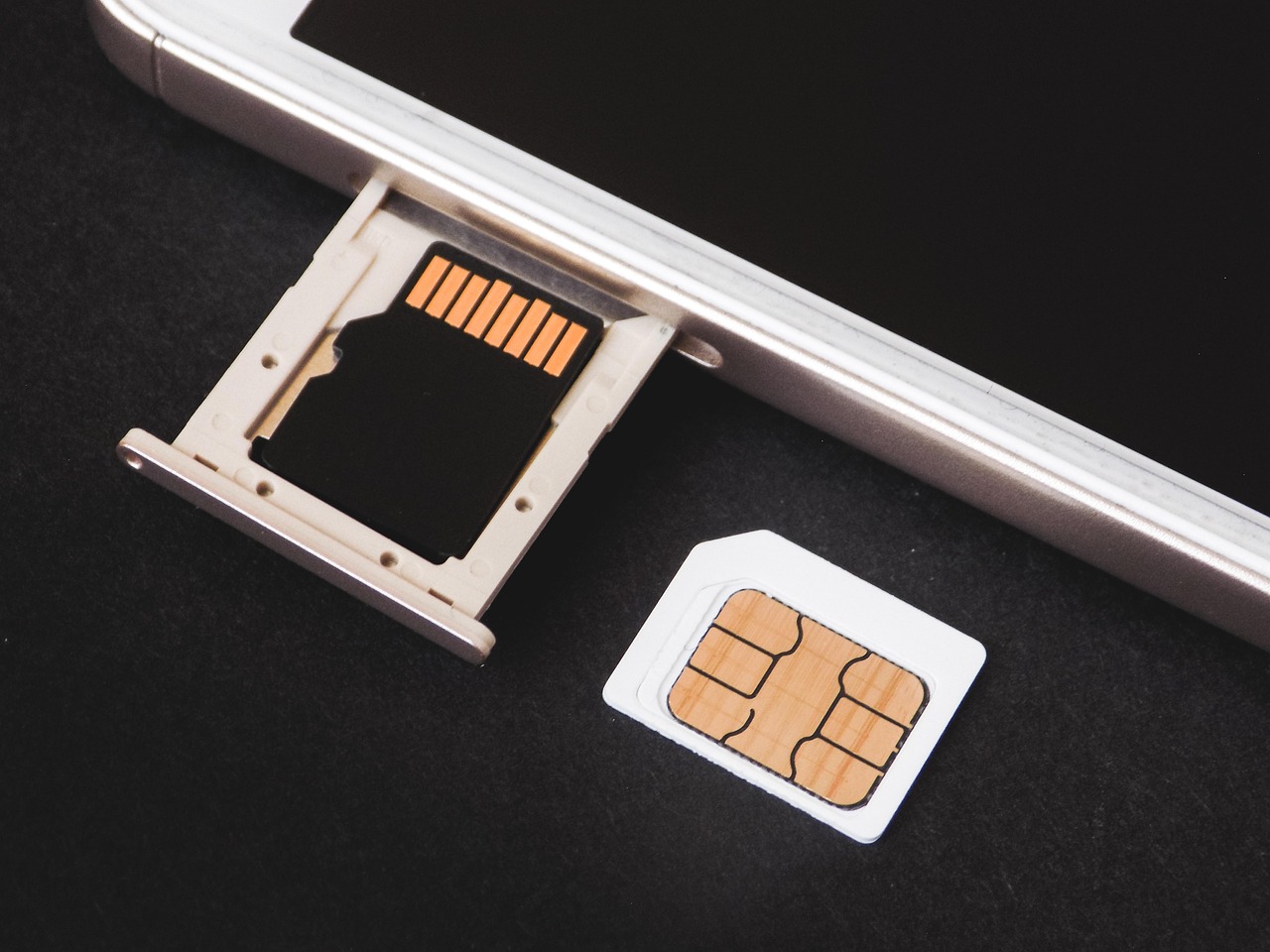
SIM swapping — also called SIM hijacking — exploits the routine process mobile carriers use to transfer a customer's number to a new SIM card. Legitimate reasons for this exist: people lose phones, upgrade devices, or switch carriers every day. But threat actors have turned this administrative convenience into a precision attack vector.
How the Attack Unfolds
A successful SIM swap rarely requires technical sophistication. What it requires is information — and information is cheap on the dark web.
Attackers typically begin with reconnaissance, harvesting personal details from data breaches, social media profiles, and phishing campaigns. Armed with a target's name, address, date of birth, and the last four digits of a Social Security number, they contact the victim's mobile carrier — by phone, chat, or even in person at a retail store — and impersonate the account holder.
If the social engineering succeeds, the carrier transfers the target's phone number to a SIM card controlled by the attacker. From that moment forward, every SMS sent to that number — including one-time passwords and account recovery codes — lands in the attacker's hands. The victim's phone, meanwhile, loses service entirely, often the first sign that something has gone catastrophically wrong.
"The moment your phone number moves to someone else's device, every account tied to SMS verification becomes an open door."
With OTP access secured, attackers initiate password resets on high-value targets: financial accounts, email inboxes, crypto exchanges, and corporate logins. The breach can cascade across dozens of accounts within minutes. By the time most victims realize what has happened, the damage is irreversible.
Why Carriers Remain a Weak Link
Mobile carriers operate at enormous scale, processing millions of account changes daily. Front-line customer service representatives are trained to be helpful, and that cultural imperative becomes a liability when a skilled social engineer is on the other end of the line. Despite industry-wide awareness of SIM swap fraud, inconsistent verification protocols, overworked staff, and occasional insider threats continue to create exploitable gaps.
Regulatory pressure has prompted some improvements. Carriers have introduced additional verification layers and customer-set PINs specifically for account changes. But enforcement is uneven, and determined attackers — particularly those targeting high-net-worth individuals or corporate executives — are willing to invest significant effort to defeat those controls.
Who Is Most at Risk
While no one is immune, certain profiles attract disproportionate attention from SIM swap threat actors:
What You Should Do
The core lesson here is structural: SMS-based two-factor authentication should no longer be treated as adequate protection for sensitive accounts. It is better than nothing, but in 2024, it is not good enough to stand alone. Here is a practical framework for hardening your defenses:
- Switch to an authenticator app. Applications like Google Authenticator, Authy, or Microsoft Authenticator generate time-based one-time passwords locally on your device. These codes are never transmitted over the carrier network and cannot be intercepted through a SIM swap.
- Use hardware security keys where possible. FIDO2-compliant physical keys — such as YubiKey — represent the strongest widely available form of multi-factor authentication. Phishing-resistant and SIM-swap-proof, they are the gold standard for high-risk accounts.
- Set a carrier account PIN and port freeze. Contact your mobile carrier and establish a dedicated PIN or passcode required for any account changes. Ask whether they offer a "port freeze" or "SIM lock" feature that prevents unauthorized number transfers.
- Audit which accounts rely on SMS verification. Log into your most critical accounts — banking, email, crypto, work systems — and update the 2FA method away from SMS. Prioritize accounts with financial or administrative access.
- Monitor for sudden loss of mobile service. If your phone unexpectedly loses carrier signal, treat it as a potential emergency. Contact your carrier immediately through an alternate channel and check your critical accounts for unauthorized activity.
- Minimize your public digital footprint. Reduce the personal information available on social media and data broker sites. Attackers need raw data to impersonate you — limiting what is publicly available raises the cost of a targeted attack.
A Broader Reckoning
SIM swap fraud exposes a fundamental truth about modern security architecture: layered defenses are only as strong as their weakest layer. When that layer is a carrier call center agent making a judgment call under pressure, the consequences can be severe regardless of how carefully a user has managed every other aspect of their digital hygiene.
The responsibility cannot rest entirely on individuals. Carriers must continue improving verification rigor, and platforms must accelerate the retirement of SMS as a primary authentication factor. But in the meantime, users who understand the threat and act accordingly can significantly reduce their exposure — before a fraudulent phone call changes everything.


