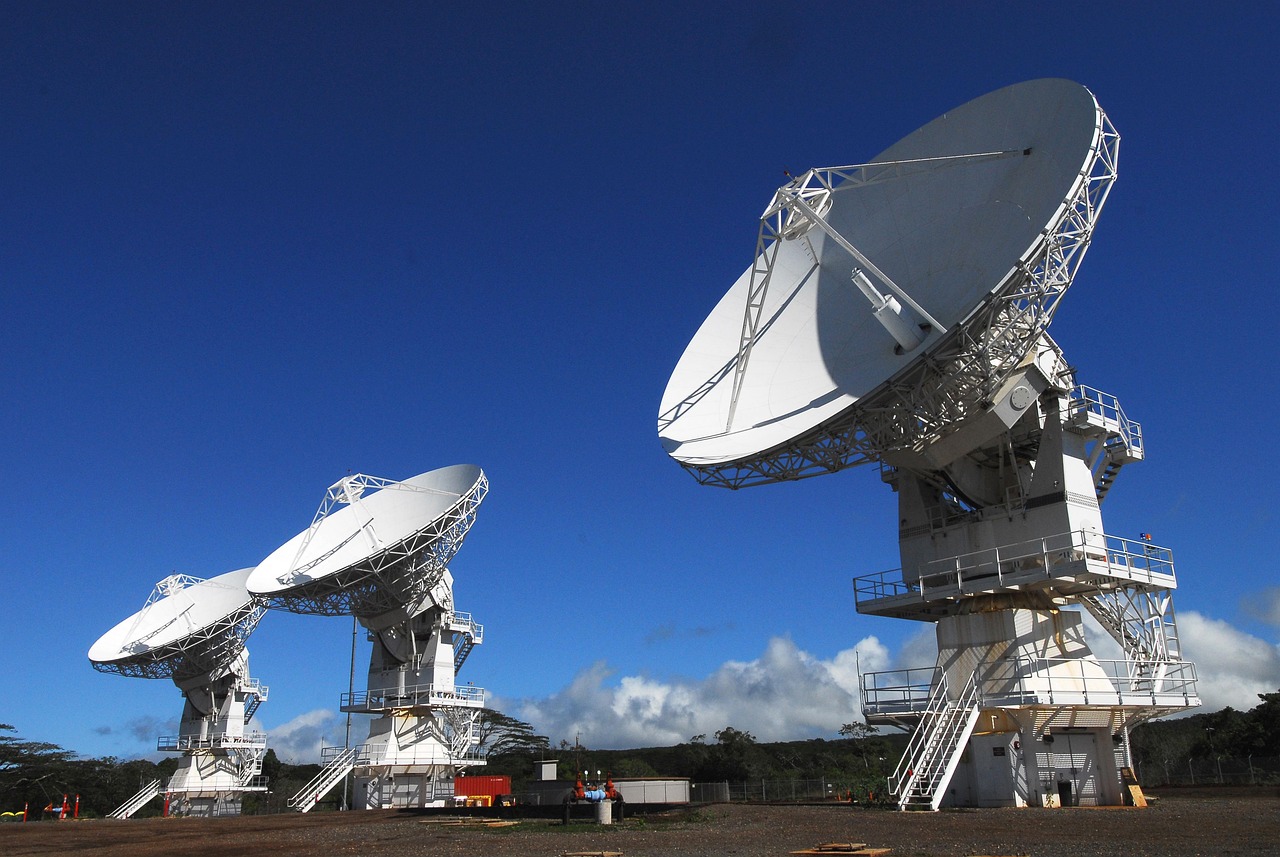
As reported by Dark Reading, the cybersecurity weaknesses plaguing satellite ground infrastructure are drawing fresh attention as commercial space activity intensifies. This is a welcome and overdue reframing of a problem the industry has chronically underweighted.
For decades, satellite security discourse centered on RF jamming, uplink hijacking, and orbital anti-satellite concerns — exotic threats that consumed budgets while the mundane attack surface went unaddressed. The reality is far less cinematic: satellites are managed, commanded, and provisioned through ground stations, telemetry tracking and control (TT&C) facilities, and increasingly, cloud-based mission operations platforms. These are conventional IT and OT environments, and they carry conventional risks — credential theft, unpatched VPN gateways, exposed management interfaces, supply chain compromise.
The Ground Segment Is the Real Attack Surface
Every command sent to a spacecraft traverses terrestrial networks first. A compromised ground station doesn't need to defeat encryption on the space link — it can inject malicious commands before encryption, exfiltrate telemetry after decryption, or simply deny availability by disrupting the scheduling pipeline. The 2022 Viasat outage demonstrated this principle decisively: the KA-SAT network disruption was achieved through ground-based modem management infrastructure, not by touching the satellite itself.
What has changed since then is scale and diversity. The commercial New Space economy means thousands of operators — many of them startups with thin security teams — are now running ground infrastructure that interfaces with constellations supporting defense communications, maritime navigation, agricultural monitoring, and disaster response. The blast radius of a single ground-segment compromise is no longer bounded by the operator's customer list.
Why This Matters Now
The satellite itself may be in orbit, but the attack surface is firmly on the ground — and it looks like every other OT environment you've been struggling to harden for a decade.
Shield53 Recommendations
Organizations operating or dependent on satellite services should take the following steps:
- Map your ground-segment dependencies. Identify every ground station, TT&C facility, cloud operations platform, and third-party network provider in your satellite service chain. You cannot defend what you have not inventoried.
- Apply zero-trust principles to command links. Mutual TLS, command authentication, and cryptographic command integrity validation should extend end-to-end from operations centers to spacecraft — not terminate at the ground station boundary.
- Segment ground infrastructure aggressively. TT&C networks, mission operations, and corporate IT should be air-gapped or strictly segmented. Lateral movement from enterprise environments to command infrastructure should be architecturally impossible.
- Conduct red team exercises against ground segments. Tabletop exercises focused on ground-station compromise, supply chain insertion, and cloud operations platform takeover will surface gaps that compliance audits miss.
- Press vendors on supply chain security. Require SBOMs from ground infrastructure providers, demand evidence of secure SDLC practices, and build contractual requirements for vulnerability disclosure and incident notification into procurement.
- Monitor for ground-segment anomalies. Deploy detection capabilities for unusual command patterns, unauthorized ground-station access, and telemetry exfiltration — not just RF-level interference.
The space race is accelerating, but the security race is still running on the ground. Defenders should stop looking up and start looking around.