
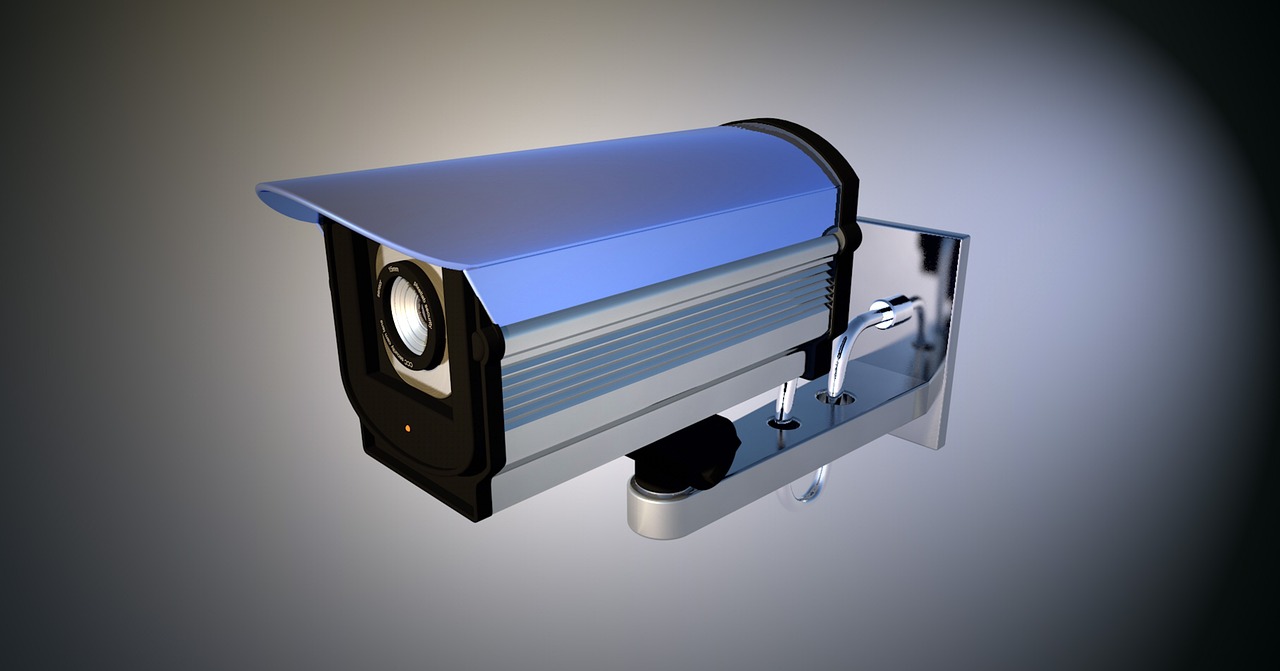
As reported by Security Affairs, Dutch civilian and military intelligence services (AIVD and MIVD) have jointly confirmed that Russian intelligence is conducting a systematic campaign to compromise internet-connected IP cameras positioned near critical military infrastructure, logistics hubs, and transit routes across the Netherlands and broader EU territory.
Why This Campaign Is More Sophisticated Than It Appears
At first glance, hijacking a parking lot camera or a hotel security feed sounds almost mundane. But that framing badly understates the strategic calculus here. Russia isn't breaking into Pentagon servers — it's building a passive, persistent, geographically distributed intelligence collection network using infrastructure that almost nobody defends seriously. The elegance of this approach is precisely its low profile: consumer-grade IP cameras generate virtually no security alerts, are rarely monitored for unusual outbound connections, and sit on network segments that most IT teams treat as out of scope.
What Russian intelligence appears to have constructed is effectively a real-time logistics intelligence capability. By positioning compromised cameras near rail yards, military depots, border crossings, and port facilities, they can observe the movement, volume, and timing of NATO weapons deliveries to Ukraine — information that directly informs targeting decisions and counter-logistics operations on the battlefield. This is OSINT augmented with covert collection, and it's devastatingly effective.
The Threat Actor Profile and Broader Pattern
This advisory fits squarely within the documented operational pattern of Russian GRU-affiliated units, which have consistently demonstrated willingness to exploit civilian infrastructure for military intelligence purposes. We've seen this playbook before — from the 2016 targeting of OSCE monitoring cameras in eastern Ukraine to the systematic exploitation of routers and edge devices attributed to Sandworm and APT28. What's changed is the geographic scope and the explicit linkage to active wartime logistics surveillance.
The most dangerous adversary isn't the one who breaks your strongest lock — it's the one watching through a window you forgot to close.
This campaign also highlights a persistent structural vulnerability in how NATO member nations conceptualize operational security around military logistics. Physical OPSEC and cyber OPSEC are too often managed by entirely separate teams with no shared threat model. A camera operated by a third-party property management company three blocks from a military rail depot is not, in most organizations' current frameworks, considered a security concern. It absolutely should be.
Who Is at Risk
The Deeper Problem: OT/IoT Security Remains a Second-Class Citizen
This incident is a case study in the persistent failure to treat operational technology and IoT devices as legitimate attack surface. IP cameras from major vendors — Hikvision, Dahua, Axis, and others — have accumulated years of CVEs, many of which remain unpatched on deployed devices. Default credentials, exposed RTSP streams, and internet-facing management interfaces are still disturbingly common, even on devices adjacent to sensitive facilities. The intelligence value Russia extracts from these cameras is, in a real sense, subsidized by the industry's historically poor security posture on embedded devices.
Shield53 Recommendations
For Defense and Government Organizations
- Conduct an immediate camera inventory within a 500-meter radius of any facility involved in defense logistics, material staging, or military personnel movement. Include third-party and municipally-operated cameras.
- Audit outbound connections from all IP cameras on your network — look for unexpected destinations, unusual data volumes, or connections during off-hours.
- Enforce network segmentation: IP cameras should never have unrestricted internet access or lateral network access to operational systems.
- Coordinate with local authorities and property owners near sensitive sites to assess and harden their camera infrastructure.
For IT and Security Teams Managing Camera Infrastructure
- Patch firmware immediately — prioritize any devices with known CVEs. If the vendor no longer issues updates, plan for hardware replacement.
- Eliminate default credentials and enforce strong, unique authentication on every device.
- Disable UPnP, RTSP exposure, and cloud relay features unless explicitly required for operations.
- Deploy network-level monitoring (NDR/NTA tools) that can flag anomalous camera behavior without relying on the device's own logging.
- Consider VPN-only remote access for any camera management interface — management planes should never be directly internet-exposed.
For CISOs and Security Leadership
- Expand your threat model to explicitly include physical surveillance infrastructure as an intelligence collection vector — not just a safety or facilities concern.
- Brief physical security, logistics, and facilities teams on this advisory. The people who install and manage cameras often have no cybersecurity training and no connection to the SOC.
- Engage with national CERT and intelligence sharing channels — the AIVD/MIVD advisory suggests there is classified threat intelligence available to appropriate parties that goes beyond what's in the public report.
The Dutch advisory is a rare and welcome moment of transparency from European intelligence services. Organizations should treat it as a direct call to action — not a distant geopolitical story, but a live operational threat to the infrastructure they are responsible for protecting.


