
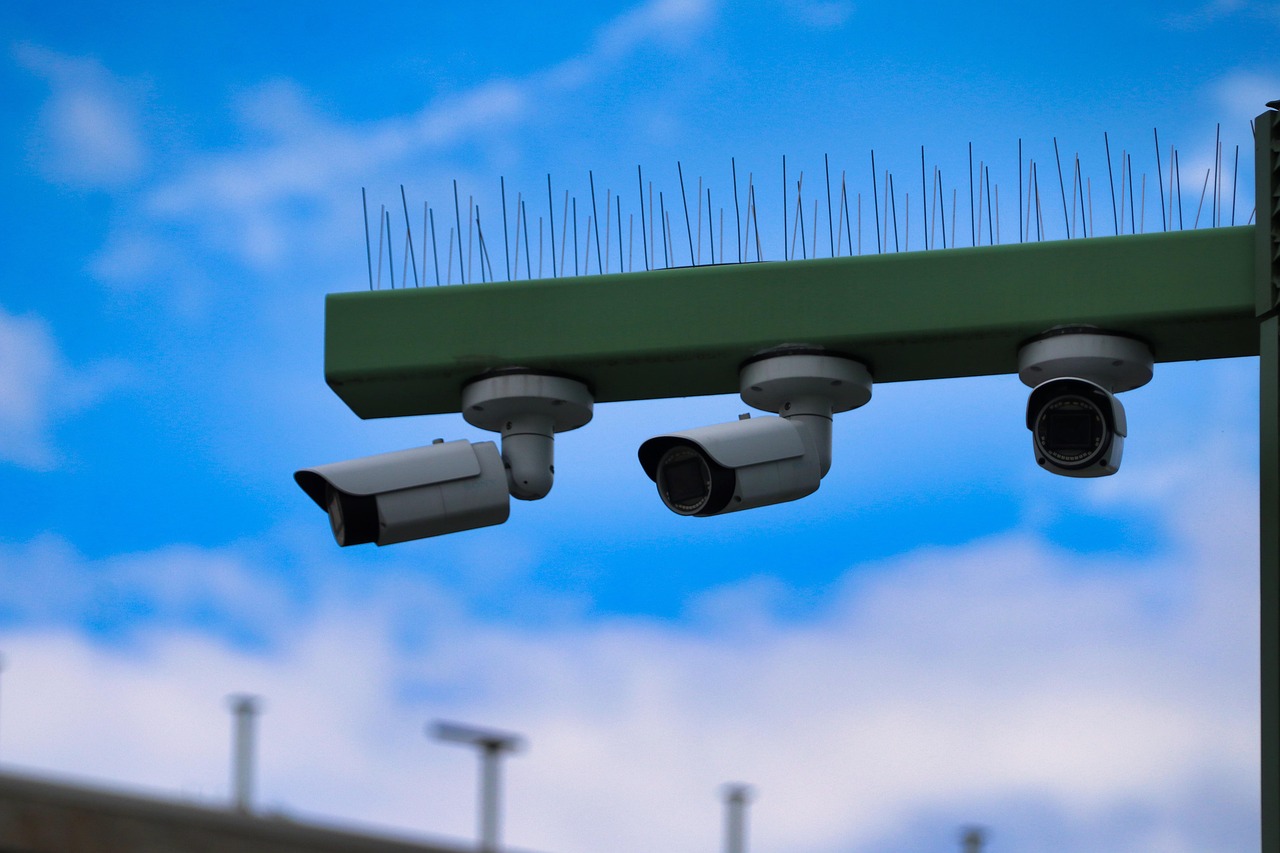
As reported by The Hacker News, a joint advisory from the Netherlands' AIVD and MIVD has confirmed that Russian intelligence services are systematically compromising internet-facing IP cameras across Europe and Ukraine to conduct real-time surveillance of military logistics, weapons shipments, and troop movements. This is not opportunistic scanning — it is a deliberate, coordinated intelligence collection operation.
Why This Campaign Is More Dangerous Than It Appears
On the surface, this looks like a classic IoT exploitation story. But the strategic implications run far deeper. What Russian intelligence has effectively done is convert civilian infrastructure — traffic cameras, parking lot monitors, building security systems — into a passive, distributed ISR (Intelligence, Surveillance, and Reconnaissance) network at near-zero cost and with plausible deniability.
The cameras themselves are not the target. The geometry is the target. A camera overlooking a rail yard in Poland, a port entrance in Rostock, or a highway interchange near Rzeszów can answer critical operational questions: What is moving? How much? How often? When? This is the kind of pattern-of-life analysis that normally requires significant satellite or HUMINT resources — and Russia is getting it for free from poorly secured consumer hardware.
"The attack surface for military logistics intelligence is no longer limited to classified networks. It now includes every unpatched Hikvision camera within line-of-sight of a supply corridor."
Who Is Actually at Risk
The organizations that should be most alarmed are not necessarily the ones with the strongest cyber defenses. Consider:
Critically, the victims in this scenario may not even know they are victims. A compromised camera still functions normally. There is no ransomware note, no data exfiltration alert, no obvious sign of intrusion. The feed is simply being watched — by someone else.
The Broader Intelligence Collection Doctrine
This campaign reflects a well-established Russian intelligence doctrine of leveraging OSINT-adjacent collection methods that sit in legal and technical gray zones. Compromising a civilian camera in a NATO country is not an act of war in any recognized framework, yet the intelligence yield can be operationally significant. It is the cyber equivalent of a human source standing at a train station with a notebook — except it scales to hundreds of locations simultaneously and requires no human handlers on the ground.
This also signals an evolution in how nation-state actors treat IoT infrastructure. We have long warned that IoT devices represent unmonitored endpoints. What this campaign confirms is that adversaries are not just using these devices for DDoS botnets or network pivots — they are using them as sensors, collecting persistent, geospatially significant intelligence over time.
Shield53 Recommendations
For Organizations with Cameras Near Sensitive Logistics or Military Infrastructure
- Conduct an immediate IP camera inventory. Identify every internet-facing camera in your estate. If you cannot enumerate them, assume you have exposure you are unaware of.
- Disable direct internet access. IP cameras should never be directly internet-accessible. Place them behind VPNs or zero-trust access controls. If a camera requires a public IP to function, that is a configuration failure, not a product requirement.
- Apply all available firmware updates immediately. Default credentials and unpatched firmware are the primary entry vectors. Many exploited cameras in campaigns like this have known CVEs that remain unpatched for months or years.
- Change default credentials universally. This remains the most elementary and most commonly ignored step in IoT security hygiene.
- Network-segment camera systems. Camera networks should exist on isolated VLANs with no lateral movement path to corporate or operational technology networks.
- Monitor outbound traffic from camera systems. Unusual or persistent outbound connections from camera infrastructure — especially to unfamiliar or foreign IP ranges — should trigger investigation.
- Brief physical security and facilities teams. The people managing camera infrastructure are often not cybersecurity professionals. Ensure they understand the threat and have escalation paths.
For NATO Member Governments and Defense Partners
- Issue guidance to logistics contractors and supply chain partners operating near military transport corridors specifically addressing IP camera security requirements.
- Consider classified threat briefings for critical infrastructure operators — ports, rail operators, fuel depots — in frontline NATO states about this specific collection methodology.
- Incorporate camera security audits into broader supply chain security assessments for defense contractors.
The AIVD and MIVD advisory is a significant public disclosure, and the intelligence community deserves credit for surfacing this campaign. But advisories alone do not patch cameras. The operational burden now falls on thousands of organizations — many with no dedicated security function — to close an exposure that an adversary state has been quietly exploiting. Shield53 urges organizations along any NATO logistics corridor to treat this as an active threat requiring immediate action, not a background risk to be addressed in the next quarterly review.


