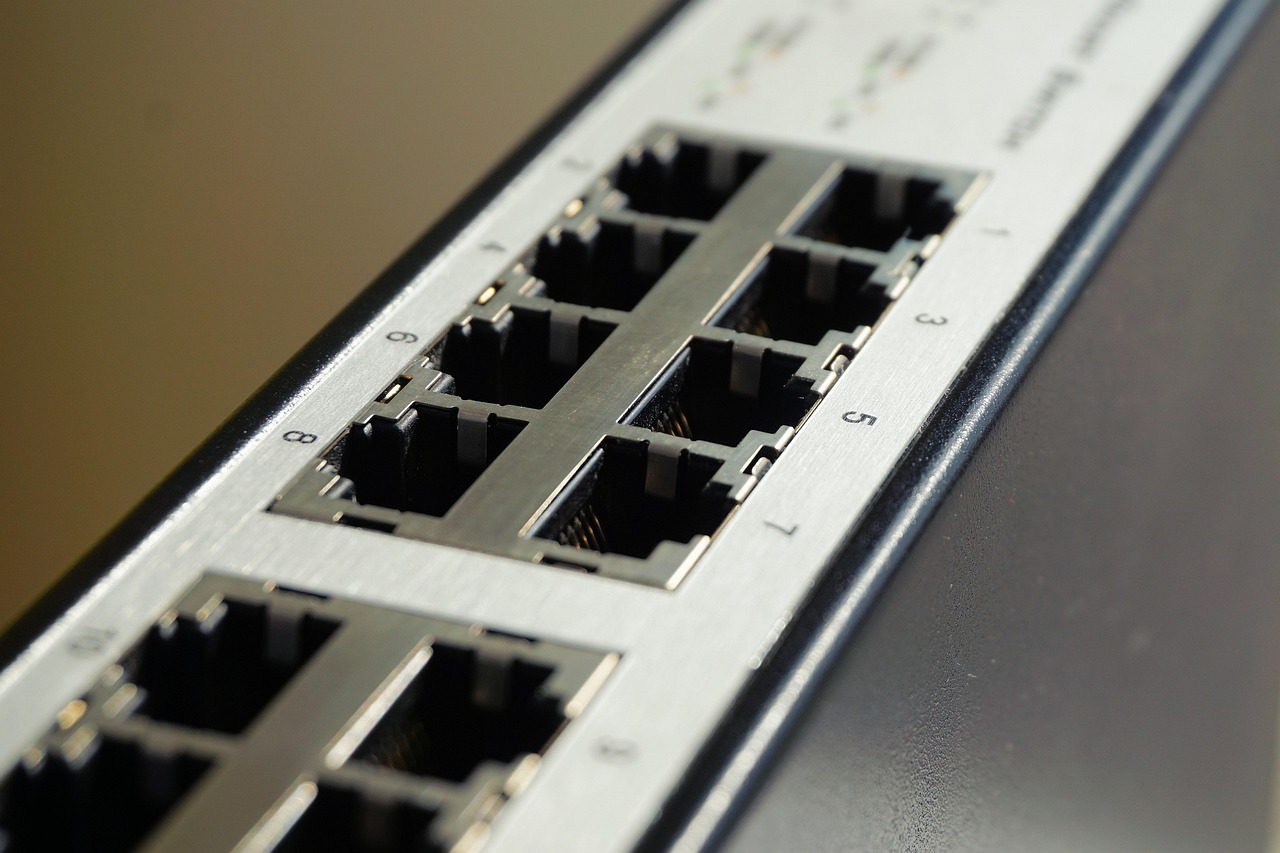
As reported by The Hacker News, Cisco has disclosed a critical unauthenticated remote code execution vulnerability in its Silicon One-based Nexus 9000 switches that grants root-level access to any attacker who can reach TCP ports 43210 or 43211. The flaw — CVE-2026-20212 (CVSS 9.8) — is compounded by a parallel IOS XR hardening release bundling seven umbrella CVEs, two of which also carry 9.8 scores with no available workarounds.
What Makes This Vulnerability Unusual
The root cause is deceptively simple: a service binds to an unrestricted IP address within the default Layer 3 VRF, leaving two TCP ports exposed without authentication. This is not a memory corruption or logic flaw deep in a protocol parser — it is a network-exposure problem that turns a management-plane service into a pre-auth root shell. That design pattern is exactly what defenders should be hunting for across their entire infrastructure, not just on Cisco gear.
The attacker needs no credentials, no exploit chain, and no user interaction — just network reachability to the switch's IP on ports 43210 or 43211. This is as close to a network-appliance backdoor as a CVE gets.
Who Is at Risk
| Attribute | Detail |
|---|---|
| CVE | CVE-2026-20212 |
| CVSS | 9.8 (Critical) |
| Affected Products | 10 Silicon One-based Nexus 9000 PIDs (N9324C-SE1U, N9348Y2C6D-SE1U, N9364E-SG2-O, N9364E-SG2-Q, N9396T12C-SE1, N9348Y12C-SE1, N9396Y12C-SE1, N9336C-SE1, N9K-C9804, N9K-C9808) |
| Affected Software | NX-OS releases 10.3(1) through 10.6(3s) — 45 releases total |
| Unaffected | Other Nexus 9000 models, ACI-mode fabric switches, Nexus 3000/7000 |
| Patch Available | Yes — via Cisco Software Checker; fixed at NX-OS 10.6(4)+ |
| Workaround | iACL blocking ports 43210/43211; Live Protect shield lp00031 (temporary) |
| Active Exploitation | None observed as of September 2, 2026 |
Organizations running affected PIDs in data center spine-leaf architectures — particularly colocation deployments where management networks may not be fully segmented from production traffic — face the highest exposure. Internet-facing management interfaces on these switches represent an emergency-level risk.
The Broader Concern: Umbrella CVEs and Disclosure Compression
Cisco's move to a twice-monthly disclosure model that groups internally discovered bugs into umbrella CVEs is a double-edged sword. It reduces patch-fatigue and gives customers a predictable cadence, but it also means defenders receive multiple critical vulnerabilities simultaneously with compressed time to analyze interdependencies. The IOS XR bundle — seven CVEs, two rated 9.8, no workarounds for any version — illustrates the operational strain this model creates for network engineering teams already stretched thin.
Shield53 Recommendations
Immediate Actions (Within 24 Hours)
show module on all Nexus 9000 switches and cross-reference output against the 10 affected PIDs. Do not assume model-family coverage — only the specific Silicon One PIDs listed are vulnerable.Short-Term (Within 7 Days)
- Patch: Use Cisco's Software Checker to identify the appropriate fixed release for each affected switch. Target NX-OS 10.6(4) or later. Schedule maintenance windows now — do not wait for the next patch cycle.
- IOS XR Environments: If you run IOS XR7 (LNT) or any IOS XR platform, upgrade to a release that includes SMUs and apply them. With no workarounds available, patching is the only mitigation.
- Detection: Add monitoring rules for connections to ports 43210/43211 on Nexus 9000 management IPs. Alert on any external or non-management-VLAN source attempting these connections. Watch for S1HAL process crashes and unexpected device reloads — these indicate exploitation attempts even if the attacker fails to achieve code execution.
Strategic
- Audit Binding Practices: Inventory all network appliances for services binding to unrestricted or 0.0.0.0 addresses within default VRFs. This vulnerability class is not unique to Cisco — it is a systemic design antipattern in network operating systems.
- Management Plane Segmentation: Enforce strict out-of-band management network design. No network device management interface should be reachable from production data paths or external networks.