
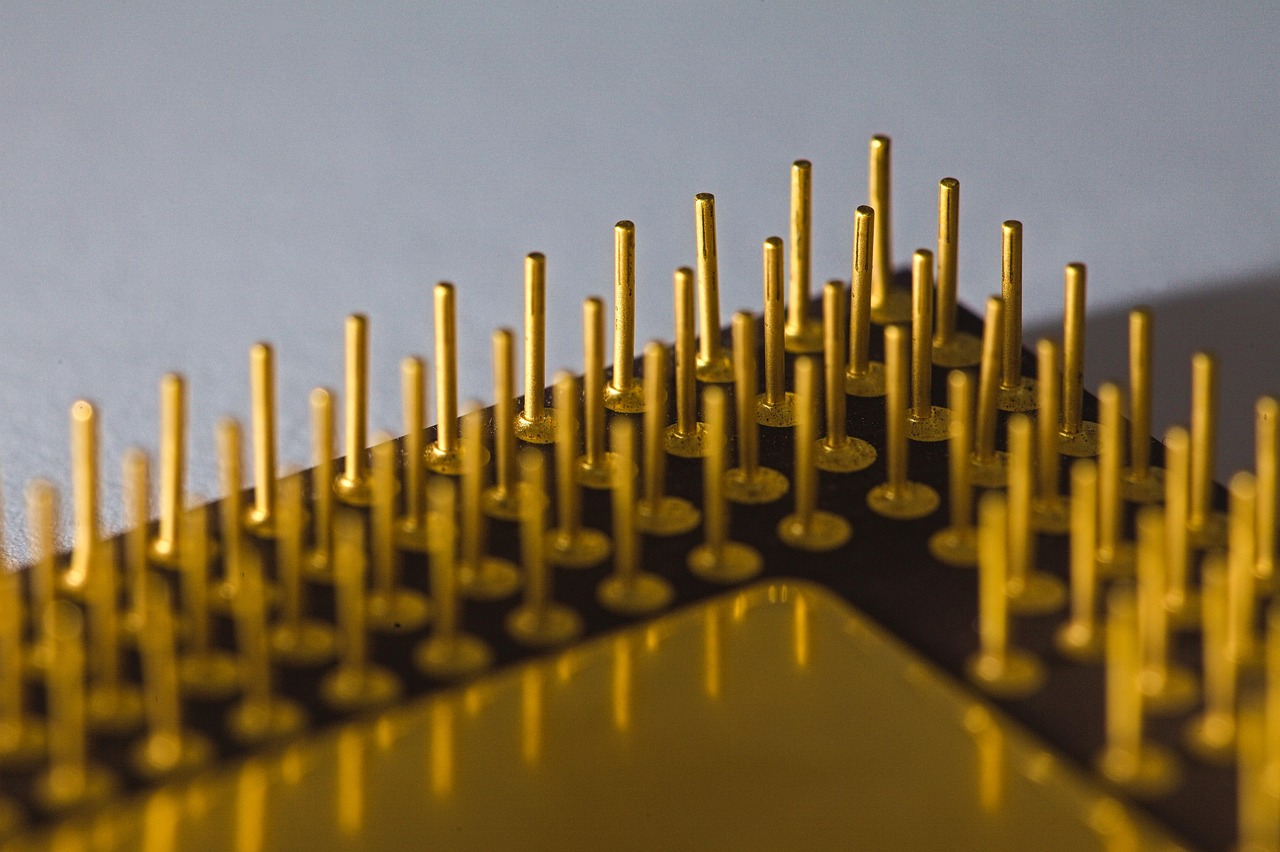
As reported by Dark Reading, hardware manufacturers are beginning to embed post-quantum cryptography (PQC) into their products, signaling a shift from academic debate to practical implementation. This is a welcome and necessary development — but it also obscures a harder truth: the cryptographic migration challenge is not primarily a hardware problem. It is an organizational one.
Why This Matters Now
The quantum threat has two timelines, and defenders must plan for both. The first is the eventual arrival of a cryptographically relevant quantum computer — estimates range from five to twenty years, but the uncertainty itself is the risk. The second timeline is already running: sophisticated adversaries, particularly nation-state actors, are executing "harvest now, decrypt later" campaigns. They are exfiltrating encrypted data today with the expectation of decrypting it once quantum capabilities mature. Any data with a long confidentiality shelf life — diplomatic communications, intellectual property, health records, national security data — is already at risk.
The question is not whether quantum computing will break RSA and ECC. The question is whether your most sensitive data will still matter by the time it does — and whether you've already lost it.
Hardware PQC Is Necessary but Insufficient
NIST's standardization of PQC algorithms — ML-KEM (formerly CRYSTALS-Kyber), ML-DRS (formerly CRYSTALS-Dilithium), and SLH-DSA (formerly SPHINCS+) — provides the algorithmic foundation. Hardware integration matters because PQC algorithms have significantly different performance characteristics: larger key sizes, larger signatures, and different computational profiles compared to RSA and ECC. Silicon-level acceleration and secure element support will be essential for performance-sensitive environments like IoT, automotive, and embedded systems.
But hardware readiness solves only the bottom layer of the stack. The real migration burden sits above it:
Who Is Most at Risk
Organizations in the following categories face the highest urgency:
- Government and defense: Classified communications with multi-decade sensitivity windows.
- Healthcare and pharma: Long-lived patient records and clinical trial data subject to regulatory retention requirements.
- Financial services: Long-duration instruments, cross-border payment integrity, and signature schemes protecting high-value transactions.
- Critical infrastructure: OT/ICS environments with 15-30 year equipment lifecycles and limited patching capability.
Shield53 Recommendations
Do not wait for quantum computers to arrive before acting. Begin a structured PQC migration now:
- Conduct a cryptographic inventory: Map every system, protocol, and data flow that relies on public-key cryptography. You cannot migrate what you cannot see. Prioritize assets by data sensitivity and expected confidentiality lifetime.
- Adopt a hybrid cryptography strategy: For external-facing systems, deploy hybrid key exchange (e.g., X25519 + ML-KEM) to maintain classical security while building quantum resistance. This protects against both current and future threats during the transition.
- Engage vendors now: Require PQC roadmaps from every vendor in your supply chain — especially HSM, PKI, VPN, and TLS termination vendors. Make PQC readiness a procurement requirement for new contracts.
- Build cryptographic agility into custom applications: Abstract cryptographic operations behind configurable libraries. Never hard-code algorithm choices. Plan for algorithm rotation as a routine operational event.
- Isolate or sunset non-upgradable systems: For legacy devices that will never support PQC, implement network segmentation, compensating controls, and a documented decommissioning timeline.
- Train security and engineering teams: PQC introduces new concepts — different failure modes, new side-channel concerns, larger data overhead. Ensure teams understand the operational implications before deployment, not after.
The organizations that emerge from the quantum transition in the strongest position will be those that treated cryptographic infrastructure as a living, managed asset — not a static foundation set in stone decades ago. Hardware vendors are doing their part. The responsibility for the rest of the stack belongs to you.


