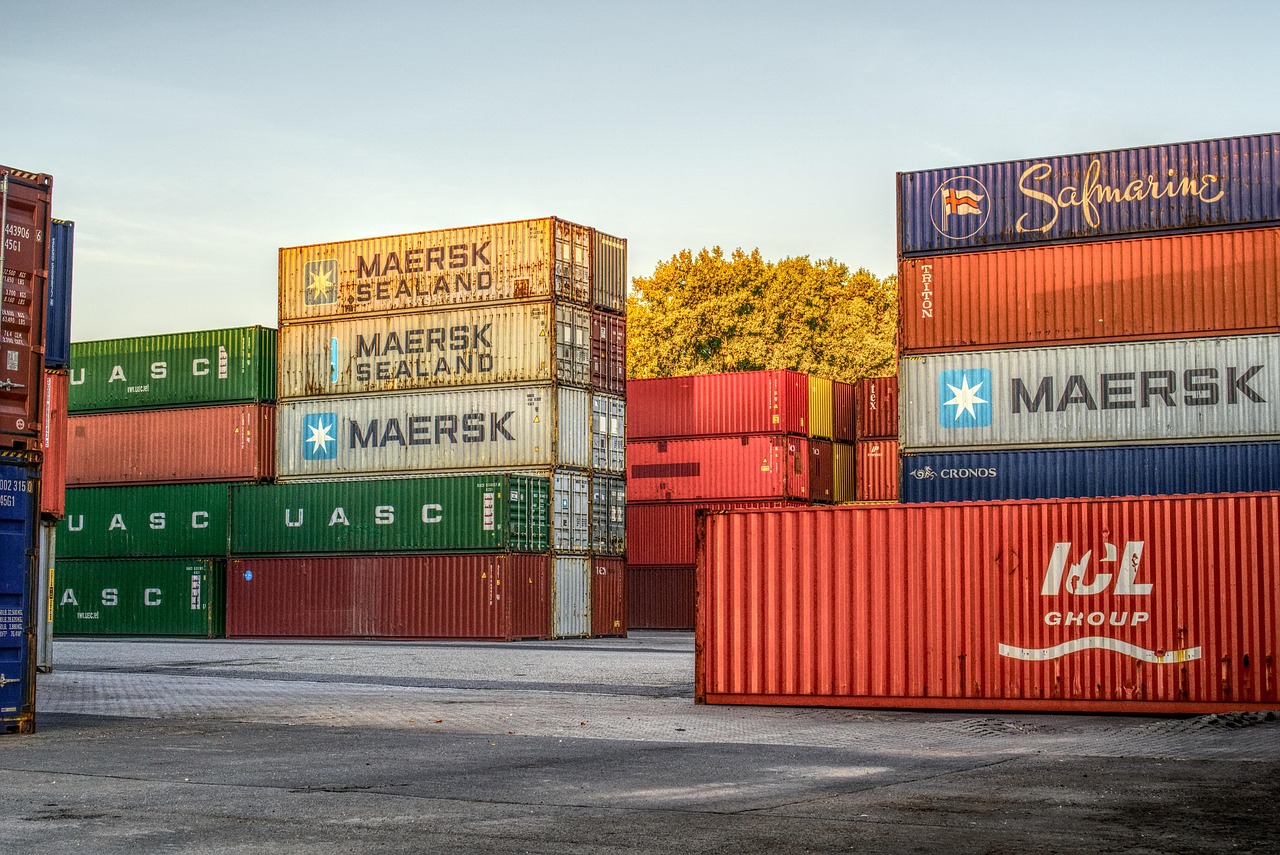
As reported by BleepingComputer, Maersk has confirmed a data breach involving a legacy system inherited through its 2022 acquisition of LF Logistics, with the WhiteArmor ransomware gang claiming 100GB of exfiltrated data and demanding $5 million. While Maersk states the incident is isolated, the details emerging from the threat actor's claims deserve serious scrutiny — particularly the reported presence of plaintext passwords and 33 SUPER_ADMIN accounts on a single platform.
Why This Matters Beyond Maersk
This incident is less about Maersk's current security posture and more about a systemic problem in corporate cybersecurity: acquired infrastructure as unmonitored attack surface. When organizations acquire companies, they inherit technology stacks, identity stores, and access controls they often don't fully understand. The integration timeline prioritizes business continuity over security auditing, and legacy systems linger in production with outdated authentication models, excessive privilege allocations, and no visibility into the parent organization's SOC.
The reported presence of plaintext passwords on the LF Logistics platform is not an anomaly — it's a pattern we see repeatedly in acquired systems that predate modern credential storage practices. If WhiteArmor's claims are accurate, this represents a fundamental failure of post-acquisition security validation.
The Supply Chain Amplification Factor
Maersk's position in the global logistics ecosystem makes this more than a single-company problem. LF Logistics runs fulfillment operations for major consumer brands. Even if Maersk's core shipping systems are unaffected, data exposing 30,000 driver records, signed delivery receipts, and inventory purchase orders creates downstream risk for partners and customers whose supply chain data may now be in criminal hands.
The threat actor's own messaging reveals strategic targeting — they referenced specific EBITDA figures and positioned the $5 million demand as 'four hours of that EBITDA.' This is financial-domain-aware extortion, not opportunistic encryption.
WhiteArmor: A Group Worth Tracking
WhiteArmor is not a household name in ransomware circles, which itself warrants attention. Newer or rebranded groups often leverage established double-extortion playbooks while refining their operational security. The fact that they're targeting a Fortune Global 500 company with a calculated demand suggests access to insider knowledge about Maersk's financials and logistics operations — potentially indicating insider access or reconnaissance that predates the public disclosure.
Shield53 Recommendations
Maersk's 2017 NotPetya experience made it one of the most security-mature organizations in shipping. That this breach occurred through an acquired legacy system rather than core infrastructure validates their primary defenses — but also demonstrates that M&A integration remains the Achilles' heel of even the most hardened enterprises. Every organization with acquisitions in the last five years should treat this as a wake-up call to audit what they inherited.