As reported by Krebs on Security, Cameron John Wagenius—a 22-year-old U.S. Army soldier stationed in South Korea operating under the handle "Kiberphant0m"—was sentenced to 70 months in federal prison and ordered to pay nearly $300,000 in restitution for his role in stealing call and text metadata belonging to more than 100 million AT&T customers, as well as breaching Verizon's Push-to-Talk business and other telecommunications providers.
While the sentencing closes one chapter of the Snowflake extortion campaign, the broader security failures that enabled it remain unresolved across the SaaS ecosystem. This case is less a story about a sophisticated hacker and more a story about how basic identity controls—when absent or inconsistently enforced—can produce cascading damage across critical infrastructure.
The Real Story: SaaS Identity Hygiene as National Security
The Kiberphant0m crew did not deploy zero-days or defeat encryption. They exploited exposed credentials on Snowflake customer environments that lacked multi-factor authentication. Snowflake has since mandated MFA across all accounts—a remediation that should have been baseline from day one. The fact that a major cloud data platform serving Fortune 500 telecom and technology companies operated without enforcing MFA reveals a systemic blind spot in how organizations evaluate third-party SaaS risk.
When a single missing control—MFA—can expose 100 million customer records and compromise presidential call logs, the issue is not the attacker's skill. It is the defender's architecture.
Re-Extortion: A Growing Tactical Shift
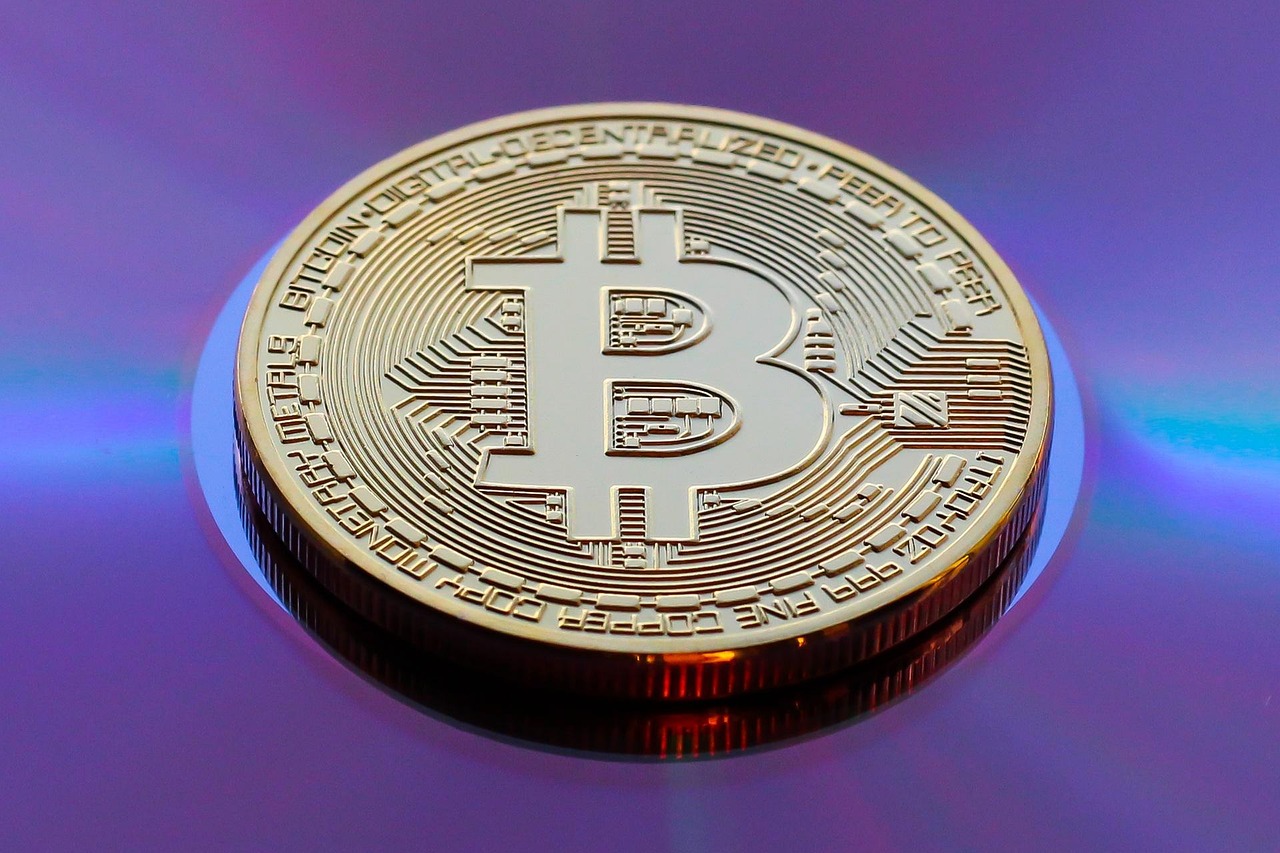
One detail worth emphasizing: Wagenius admitted to re-extorting victims. Even after AT&T reportedly paid a $370,000 Bitcoin ransom, Kiberphant0m continued to threaten disclosure and ultimately published call logs allegedly belonging to then President-elect Donald Trump and then Vice President Kamala Harris. This pattern is becoming standard practice among extortion groups operating in cloud and data-theft niches. Organizations that pay ransoms should assume the data remains a lever indefinitely, and that payment does not reduce legal or regulatory exposure.
Who Is Most at Risk
Shield53 Recommendations
- Mandate phishing-resistant MFA on every SaaS platform—no exceptions for service accounts, break-glass credentials, or legacy tenants. Use FIDO2/WebAuthn where available.
- Audit SaaS session policies and enforce session expiration, IP allowlisting, and conditional access for administrative and data-access roles.
- Implement continuous credential exposure monitoring. Integrate with breach data feeds and enforce automatic rotation when credentials appear in compromised datasets.
- Develop an extortion-specific incident response playbook. Include legal counsel, regulatory notification workflows, and a pre-decision framework for whether payment is even an option given re-extortion risk.
- Restrict and monitor metadata access. Telecom and infrastructure providers should treat CDR and metadata stores with the same access controls as content payloads—role-based access, query logging, anomaly detection on bulk exports.
- Reassess third-party SaaS risk contracts. Require vendors to provide evidence of MFA enforcement, tenant isolation, and audit logging as contractual obligations, not optional features.
The Kiberphant0m case demonstrates that the distance between a stolen credential and a national security incident can be remarkably short. The sentencing is justice served, but the architectural lessons—enforce MFA everywhere, monitor metadata access, and never assume payment ends extortion—are what defenders should carry forward.