
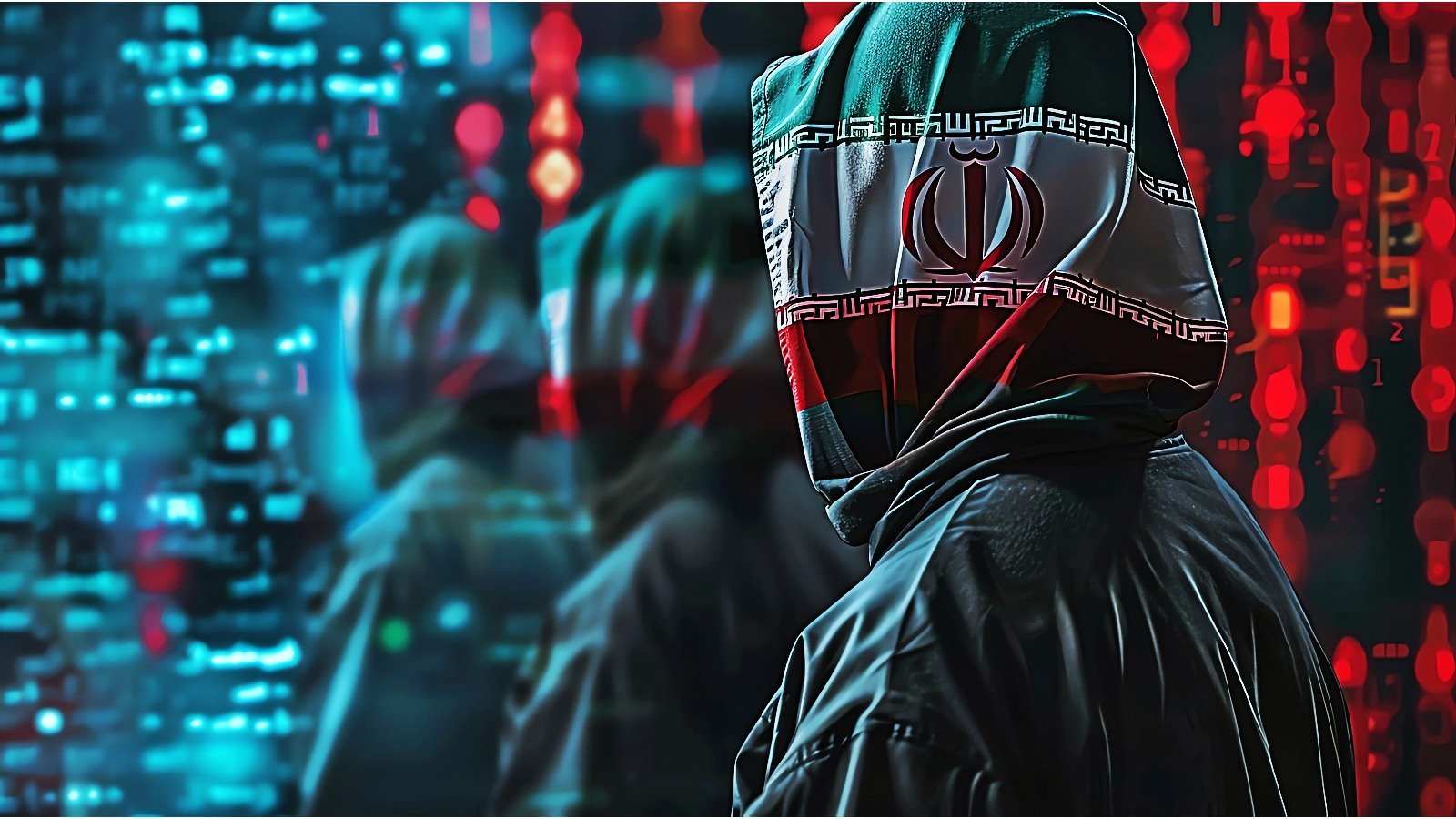
State-sponsored cyber operations are becoming increasingly sophisticated in their deception tactics, with Iranian intelligence operatives now deploying ransomware campaigns as elaborate smokescreens for espionage activities. This evolution in tradecraft represents a concerning trend where geopolitical adversaries blur the lines between criminal cybercrime and nation-state intelligence gathering.
The Deception Campaign
Security researchers have uncovered a complex operation where Iranian state-backed hackers orchestrated what appeared to be a standard ransomware attack but was actually a carefully orchestrated intelligence collection mission. The attackers employed all the hallmarks of a typical extortion campaign—credential theft, data encryption, ransom demands, and even listing victims on dark web leak sites—yet the underlying infrastructure and techniques revealed a different purpose entirely.
The operation began with sophisticated social engineering through Microsoft Teams, where attackers established contact with employees and leveraged screen-sharing capabilities to harvest credentials. This initial access method demonstrates the group's understanding of modern workplace communication tools and their potential as attack vectors.
Technical Analysis of the Attack Chain
The intrusion followed a methodical progression that combined traditional espionage techniques with ransomware theatrics. After gaining initial access through Teams-based social engineering, the operators deployed multiple persistence mechanisms including remote desktop protocols and third-party remote access tools.
The attackers demonstrated particular sophistication in their credential harvesting techniques, utilizing both phishing pages that mimicked legitimate Microsoft services and direct manipulation tactics where victims were convinced to enter passwords into seemingly innocuous text files. Multi-factor authentication bypass was achieved through manipulation of MFA settings rather than technical exploitation.
The deployment of custom backdoors disguised as legitimate Microsoft applications showcases the operation's emphasis on stealth and long-term access over immediate financial gain.
The malware payload, masquerading as a Microsoft WebView2 application, incorporated advanced anti-analysis features and supported twelve distinct commands for system manipulation, file management, and persistent shell access. This level of functionality far exceeds what would be necessary for a straightforward ransomware deployment.
Attribution and Infrastructure Patterns
Multiple indicators point to Iranian state involvement, including infrastructure overlaps with previously identified campaigns and the use of specific code-signing certificates associated with state-sponsored malware families. The operational tradecraft aligns with patterns established by Iranian intelligence services, particularly in the methodical approach to network compromise and the emphasis on maintaining long-term access.
This represents an evolution in tactics for Iranian cyber operations, which have historically been more direct in their espionage approach. The adoption of ransomware as a false flag suggests these operators are adapting to increased scrutiny and attribution capabilities within the cybersecurity community.
Strategic Implications
The convergence of state-sponsored and criminal tactics creates significant challenges for both incident response teams and threat intelligence analysts. Organizations may initially focus their response efforts on data recovery and business continuity, potentially missing the ongoing espionage activities that represent the true threat.
This tactical shift also complicates international cyber deterrence efforts, as the apparent criminal nature of the attack may influence diplomatic responses and legal proceedings. The plausible deniability afforded by ransomware operations provides additional strategic benefits to state actors.
What You Should Do
The evolution of state-sponsored cyber operations to incorporate criminal cover stories represents a new phase in the cybersecurity landscape. Organizations must adapt their detection and response capabilities to address these hybrid threats that combine the persistence and sophistication of nation-state actors with the apparent motivations of criminal enterprises.


