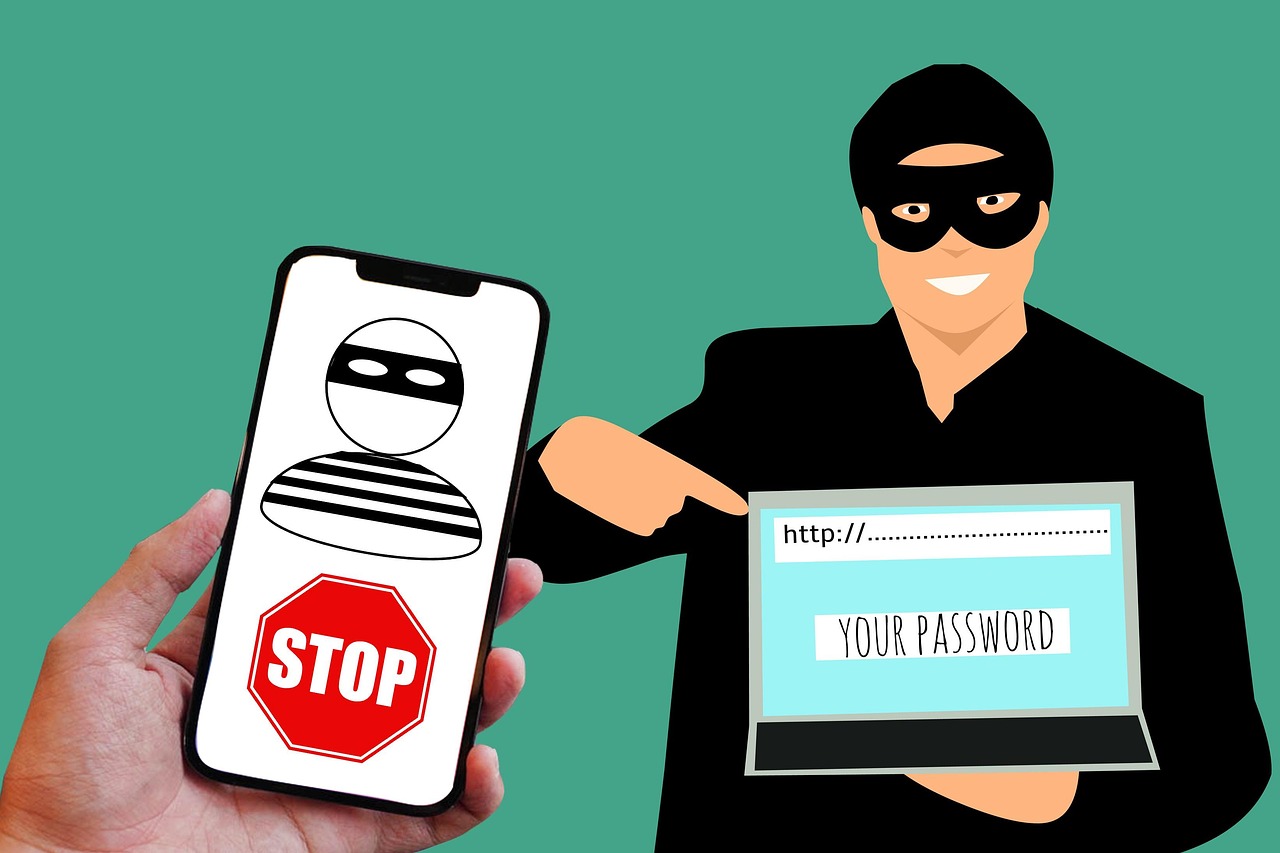
As reported by BleepingComputer, a newly surfaced extortion group calling itself Inception has launched a large-scale vishing (voice phishing) campaign targeting single sign-on (SSO) credentials at major global brands. The group's leak site claims seven victims including AMD, PepsiCo, Cigna Healthcare, AutoZone, and Lucid Motors — though none have publicly confirmed breaches. Okta's threat intelligence team has attributed this activity to cluster O-UNC-053, previously associated with the ShinyHunters extortion group.
Why This Matters
This campaign represents a significant evolution in the extortion landscape for three reasons:
Infrastructure Scale
ReversingLabs has identified at least 21 confirmed SSO phishing domains, 41 domains tied to campaign infrastructure, and 4 additional suspected domains. The phishing kit impersonates authentication services using legal-themed website templates — a tactic designed to appear legitimate during phone-guided authentication flows. The sheer breadth of impersonated brands — from Dropbox and Reddit to Anthropic and Nintendo — suggests Inception is casting a wide net rather than targeting specific verticals.
The use of legal-themed authentication pages is particularly insidious: when a vishing operator guides a victim to a URL during a call, the professional appearance of the page reduces skepticism at the critical moment of credential entry.
Who Is at Risk
Any organization using Okta, NetIQ/OpenText Access Manager, or similar SSO/IdP platforms is exposed. Mid-to-large enterprises with distributed workforces are particularly vulnerable, as remote employees are accustomed to receiving authentication prompts and may be more susceptible to voice-based manipulation. Healthcare, technology, and consumer goods sectors appear prominently in the claimed victim list, but the infrastructure scope indicates broad targeting.
Shield53 Recommendations
Immediate Actions
- Deploy phishing-resistant MFA: Transition from push-based MFA (which can be MFA-fatigued or socially engineered) to FIDO2/WebAuthn hardware keys or passkeys. Okta and most major IdPs support these methods natively.
- Block known Inception infrastructure: Import ReversingLabs' published domain indicators into DNS filtering, proxy, and EDR solutions. Treat any authentication flow redirecting to legal-themed domains with high suspicion.
- Implement Okta session policies: Enforce network zone policies, geofencing, and device trust to prevent authentication from unknown infrastructure even if credentials are captured.
- Brief helpdesk and IT staff: Vishing operators often impersonate IT support. Establish callback verification procedures and codewords for any credential-related phone interactions.
- Monitor for anomalous SSO sessions: Alert on logins from new devices, unusual geographies, or sessions immediately following password resets. Review Okta System Log for suspicious authentication events.
Strategic Actions
- Adopt continuous threat intelligence feeds: Subscribe to feeds tracking newly registered domains matching your IdP vendor names or corporate brand assets.
- Conduct vishing-specific tabletop exercises: Traditional phishing simulations don't prepare staff for voice-based social engineering. Include scenarios where attackers guide users through fake authentication portals during live calls.
- Review third-party SSO integrations: Audit which SaaS applications trust your IdP — each connected app is a potential data exfiltration vector if SSO is compromised.
The Inception campaign underscores a broader trend: as email defenses mature, threat actors are migrating to channels where humans remain the weakest link. Voice-based social engineering paired with convincing fake authentication portals represents a potent combination that technology alone cannot solve. Defenders must invest equally in human-layer controls and identity hardening.