
In an era where the cybersecurity industry fixates on nation-state zero-days and AI-powered attack chains, a quieter and arguably more insidious threat has been methodically carving through critical infrastructure. INC ransomware — not flashy, not novel, but devastatingly effective — is a masterclass in why operational discipline consistently outperforms technical complexity.
Competence Over Complexity
The ransomware landscape has long rewarded groups that innovate. But INC's operators have built a formidable criminal enterprise on a different premise entirely: that most organizations remain chronically vulnerable to well-executed fundamental attacks. Credential abuse, phishing, exposed remote desktop services, and exploitation of known vulnerabilities in unpatched systems — these are not headline-grabbing techniques. They are, however, extraordinarily effective against organizations whose security postures haven't kept pace with the threat environment.
INC's operators demonstrate a level of patience and operational rigor that separates them from opportunistic commodity attackers. Initial access is typically followed by deliberate lateral movement, careful reconnaissance of internal network architecture, and methodical exfiltration of sensitive data before encryption is ever triggered. The group practices double extortion as a matter of course — locking systems while simultaneously threatening to publish stolen data if ransom demands go unmet.
"The most dangerous adversaries aren't always the most technically advanced — they're the ones who execute the fundamentals flawlessly, repeatedly, and against targets that have the most to lose."
The Strategic Logic of Targeting Healthcare
Perhaps the most calculated element of INC's operational profile is its deliberate focus on healthcare organizations. This isn't random target selection — it reflects a coldly rational understanding of leverage dynamics.
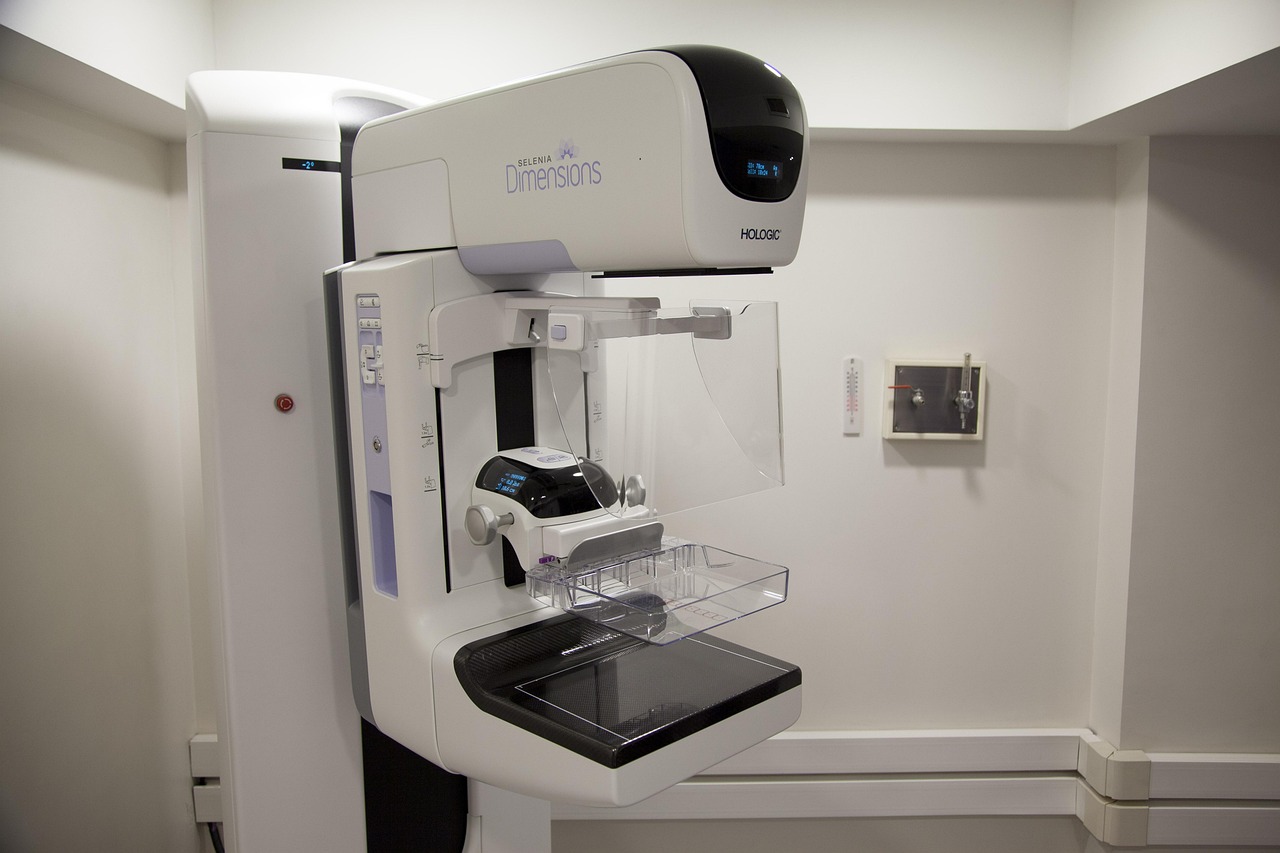
Hospitals and healthcare networks operate under a unique constellation of pressures that make them disproportionately likely to pay ransoms quickly and quietly. Patient care cannot simply be paused while IT teams remediate encrypted systems. Clinical staff depend on immediate access to electronic health records, medication dispensing systems, diagnostic imaging infrastructure, and surgical scheduling platforms. When those systems go dark, the downstream consequences aren't measured in lost revenue — they're measured in patient safety risks, diverted ambulances, and canceled procedures.
That existential pressure translates directly into ransom negotiating leverage. INC's operators understand that a manufacturing firm might absorb several days of downtime while evaluating recovery options. A hospital often cannot. The calculus shifts dramatically when lives are potentially in the balance, and ransomware groups like INC have learned to exploit that asymmetry with precision.
Regulatory Exposure Compounds the Pressure
Beyond immediate operational disruption, healthcare organizations face a secondary layer of coercion that INC's double-extortion model weaponizes effectively. Patient health information is among the most tightly regulated data categories under frameworks like HIPAA. A confirmed breach of protected health information triggers mandatory notification obligations, regulatory scrutiny, and potential civil penalties — costs that can rival or exceed the ransom demand itself. For smaller regional health systems operating on thin margins, the threat of regulatory fallout can tip internal decision-making toward payment even when recovery alternatives exist.
Why Basic Defenses Still Fail at Scale
The uncomfortable truth underscored by INC's continued success is that the cybersecurity community has not solved foundational security problems despite decades of awareness. Phishing remains a reliable initial access vector. Unpatched vulnerabilities on internet-facing systems persist across enterprise environments. Privileged credential hygiene continues to lag. Multi-factor authentication adoption, while improving, remains incomplete across many healthcare organizations — particularly smaller systems and rural providers with constrained IT budgets and staffing.
INC doesn't need to innovate because the attack surface it targets hasn't fundamentally changed. Every successful intrusion in this campaign is, in some measure, a referendum on the gap between security awareness and security practice.
What You Should Do
The Broader Lesson
INC ransomware's sustained campaign against healthcare and other pressure-sensitive sectors is not a story about technical sophistication — it's a story about strategic patience and target selection. The group has identified a repeatable formula: execute foundational attacks competently, choose victims whose operational disruption creates maximum payment urgency, and apply compounding pressure through data theft. Until organizations in vulnerable sectors close the persistent gaps in basic security hygiene, that formula will continue to deliver results.
The defense, frustratingly, mirrors the offense in its fundamentals. Getting the basics right — authentication, patching, backups, detection — remains the most consequential investment most organizations can make.


