
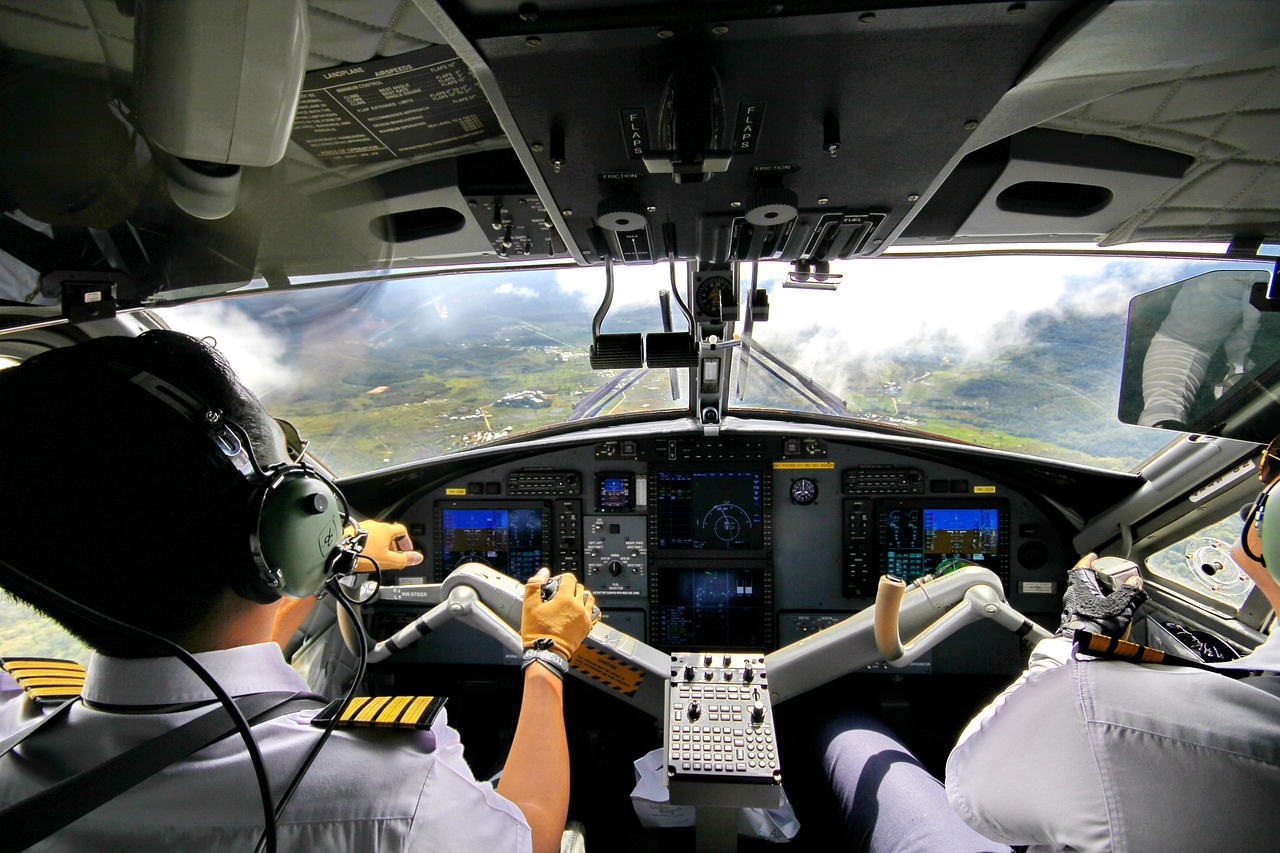
As reported by Dark Reading, editors discussed a troubling incident in which a Delta flight was disrupted following a Wi-Fi compromise — a reminder that aviation's passenger-facing connectivity layer remains one of its least scrutinized attack surfaces.
Why This Matters Beyond the Headline
Aviation cybersecurity conversations typically gravitate toward avionics, flight control systems, and the Air Gap as a presumed safety boundary. But in-flight Wi-Fi and passenger entertainment networks represent a different and equally important risk domain — one that sits uncomfortably between IT convenience and operational safety.
The core problem is architectural. Modern commercial aircraft increasingly rely on satellite-based internet connectivity that bridges passenger devices to ground networks. While industry standards like ARINC 653 and partitioned real-time operating systems are designed to isolate entertainment and connectivity domains from flight-critical avionics, that isolation depends on correct implementation, rigorous segmentation, and continuous validation — all of which can degrade under real-world operational pressure.
The assumption that passenger networks and flight systems are fully air-gapped is one of the most dangerous persistent myths in aviation security. Segmentation is a control, not a guarantee.
Who Is Affected
The Broader Attack Surface Problem
In-flight Wi-Fi systems present a convergence of risks that traditional IT security models handle poorly:
- Captive portal weaknesses — Many in-flight portals rely on HTTP redirect mechanisms vulnerable to manipulation and credential harvesting
- Shared RF environment — Anyone on the aircraft is physically within range of the access point, enabling rogue AP and evil twin attacks without needing network access
- Limited monitoring — Aircraft lack the telemetry and SOC visibility that ground-based networks enjoy, making detection of active attacks difficult
- Supply chain exposure — Connectivity hardware and firmware are sourced from multiple vendors with varying security maturity
The Delta incident, whatever its specific technical details, illustrates that even a disruption — not necessarily a full compromise of flight systems — can create cascading operational and safety concerns. A grounded or diverted flight has real human and economic cost.
Shield53 Recommendations
For airlines and aviation connectivity providers:
- Validate segmentation continuously — Don't rely on design-time assumptions. Conduct regular penetration testing of the boundary between passenger entertainment/connectivity domains and avionics networks
- Deploy in-flight network monitoring — Implement lightweight IDS/IPS capabilities on aircraft network gateways to detect rogue APs, ARP spoofing, and abnormal traffic patterns
- Harden captive portals — Enforce HTTPS exclusively, implement certificate pinning where feasible, and eliminate legacy authentication protocols
- Adopt zero-trust principles for airborne networks — Treat every passenger device as untrusted and segment traffic at the access layer
- Establish incident response playbooks for airborne network events — Crews need clear procedures for suspected Wi-Fi compromises, including when to disable connectivity mid-flight
- Pressure vendors for transparency — Demand SBOMs, vulnerability disclosure programs, and timely firmware updates from in-flight connectivity suppliers
For passengers: treat in-flight Wi-Fi as you would any public network. Use a VPN, avoid sensitive transactions, and assume the network is hostile. The threat model is not theoretical.
The aviation industry has made meaningful progress on cybersecurity in recent years, but incidents like this demonstrate that passenger connectivity remains a live vulnerability. As aircraft become increasingly networked and software-defined, the margin between inconvenience and catastrophe will only narrow. Defenders must close that gap before adversaries exploit it.


