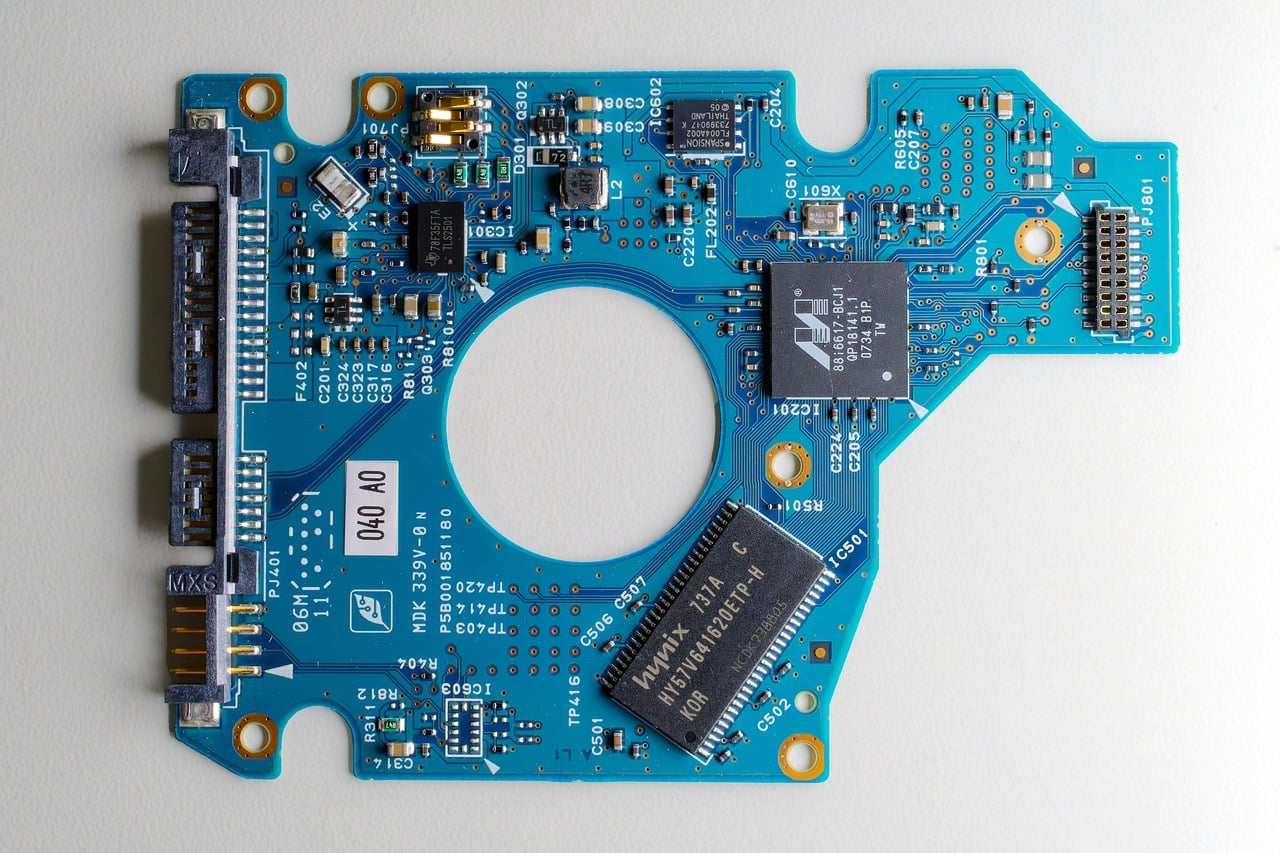
As reported by The Hacker News, Trezor has confirmed that at least three Safe 5 hardware wallets sold through Southeast Asian reseller CryptoBilis contained hidden hardware implants capable of exfiltrating recovery phrases over a mobile network connection. This is not a software vulnerability, a firmware bug, or a cryptographic flaw — it is a physical supply chain compromise, and it demands a fundamentally different response from the security community.
The Attack Bypasses the Secure Element Entirely
The most significant technical detail is that the implant does not attack the wallet's Secure Element or firmware. It sits between the main board and the screen, intercepting the visual output of recovery phrases and passphrases during backup creation or restoration. This is a side-channel attack on the human-interface layer — the one component that even the most hardened cryptographic hardware must ultimately trust to display sensitive data to a human being.
If you can read the screen, you can read the seed. No amount of secure enclave hardening protects against an adversary who controls the physical path between the chip and the display.
The use of a mobile network for exfiltration is also notable. The implant operates independently of the host computer — no USB connection, no driver interaction, no software dependency. This means the attack works even when the wallet is used in an air-gapped environment, which is precisely the threat model many crypto users believe hardware wallets protect against.
A Coordinated Operation, Not an Isolated Incident
The timeline is telling: Trezor removed CryptoBilis as a reseller on October 9 — the same day Ledger reportedly began investigating fund losses tied to the same reseller. Two independent hardware wallet manufacturers experiencing issues with the same intermediary on the same day is not a coincidence. This pattern is consistent with a supply chain intrusion where the reseller (or actors with access to the reseller's inventory) was systematically modifying devices across multiple product lines before shipping them to customers.
The fact that CryptoBilis was an official reseller is the crux of the trust failure. Users who purchased through official channels had no reason to suspect their devices. The supply chain trust model — manufacturer certifies reseller, reseller sells genuine product — collapsed because the certification did not account for post-manufacturation physical tampering at the distribution layer.
Firmware 2.13.1 Mitigates — But Does Not Undo
Trezor released firmware version 2.13.1 for the Safe 7, Safe 5, Safe 3, and Model T that prevents the known implants from capturing screen data. However, this update cannot retroactively protect recovery phrases that were already captured and exfiltrated before the firmware was installed. The exposure window — potentially months, from March through October — is the real risk. Any phrase generated on a compromised device during that period must be considered fully compromised.
Broader Implications Beyond Crypto
This attack class extends well beyond cryptocurrency wallets. Any hardware device that displays or processes secrets — HSMs, YubiKeys, smart card readers, authentication tokens, even point-of-sale terminals — is theoretically vulnerable to a similar inter-position attack if an adversary can access the device between manufacturing and end-user delivery. The crypto wallet space is simply the first where we are seeing this technique actively deployed in the wild at scale.