
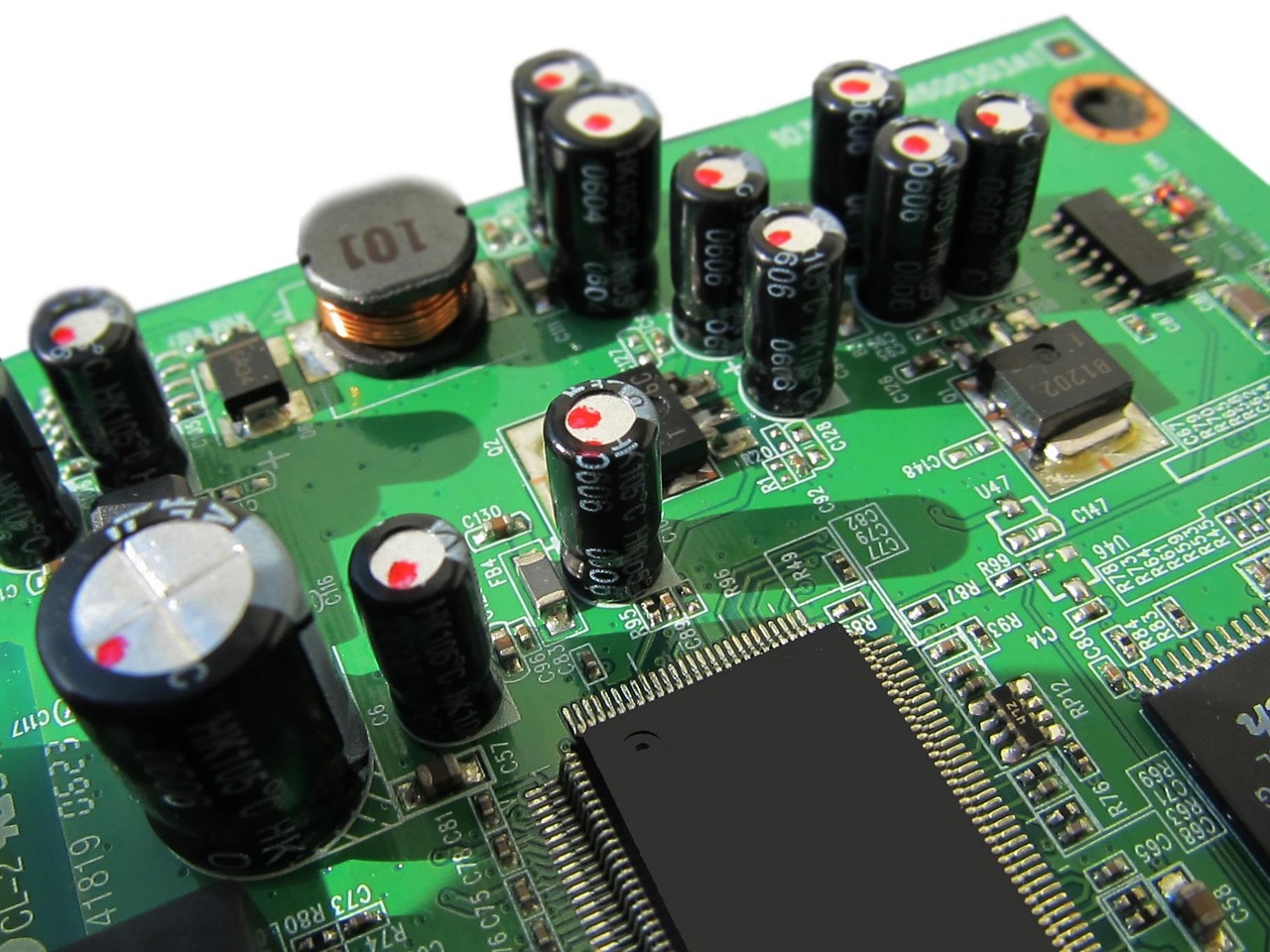
As reported by BleepingComputer, Ledger has ordered a broad sales halt across Southeast Asia and Hong Kong following the discovery of hardware implants in devices distributed through third-party resellers, notably CryptoBilis. The implants—separate microcontrollers with provisioned eSIMs—intercept 24-word recovery phrases and exfiltrate them over LTE connections, bypassing Ledger's own integrity self-checks entirely.
The Trust Problem Is Physical, Not Digital
This incident exposes a hard truth that the crypto hardware wallet industry has long acknowledged but inadequately addressed: the security of a hardware wallet ends not at the silicon boundary, but at the point of sale. Ledger's Secure Element and BOLOS operating system may be cryptographically sound, but when a secondary component is physically inserted between the user's input and the secure chip, those protections become irrelevant. The attack doesn't break the encryption—it reads the plaintext recovery phrase before it ever reaches the secure path.
The implant is a separate component that does not modify the Secure Element or Ledger operating system, which makes it undetectable by integrity self-checks designed to verify firmware authenticity, not physical tampering.
Why This Matters Beyond Ledger
While this specific incident centers on Ledger, the implications extend to any hardware vendor relying on distributed reseller networks. The attack vector—inserting a rogue component with cellular exfiltration capability—requires no network access to the victim's environment, no exploit of firmware, and no interaction with the host computer. It is, in many ways, the perfect supply chain compromise: invisible to the victim's security stack, undetectable by the vendor's own verification tooling, and exfiltrating the most sensitive credential in the ecosystem.
The fact that compromised devices have now surfaced at a Singapore airport tech retailer and through MediaMarkt in Europe—allegedly via a different distributor, Aqipa GmbH—suggests the problem may not be isolated to a single rogue reseller. If multiple distribution channels are compromised, we may be looking at a coordinated operation rather than opportunistic tampering by a single bad actor.
The Cellular Exfiltration Detail
Worth noting is the technical sophistication of using LTE for data exfiltration. This choice deliberately bypasses any network-based detection the victim might have—firewalls, EDR, network monitoring, none of it matters when the implant communicates via its own cellular connection. Defenders cannot rely on traditional network security controls to identify compromised devices in their environment. This is a supply chain attack designed to be completely air-gapped from the victim's network.
Shield53 Recommendations
Trezor's announcement that it will reduce its reseller network and implement stricter partner oversight is the right response—but it should be the baseline, not the exception. The crypto hardware wallet industry has built its reputation on the promise that physical devices eliminate the trust problems of software wallets. This attack demonstrates that the trust problem hasn't been eliminated; it's been moved upstream to the supply chain. Until vendors treat physical distribution security with the same rigor as cryptographic security, these incidents will continue.


