
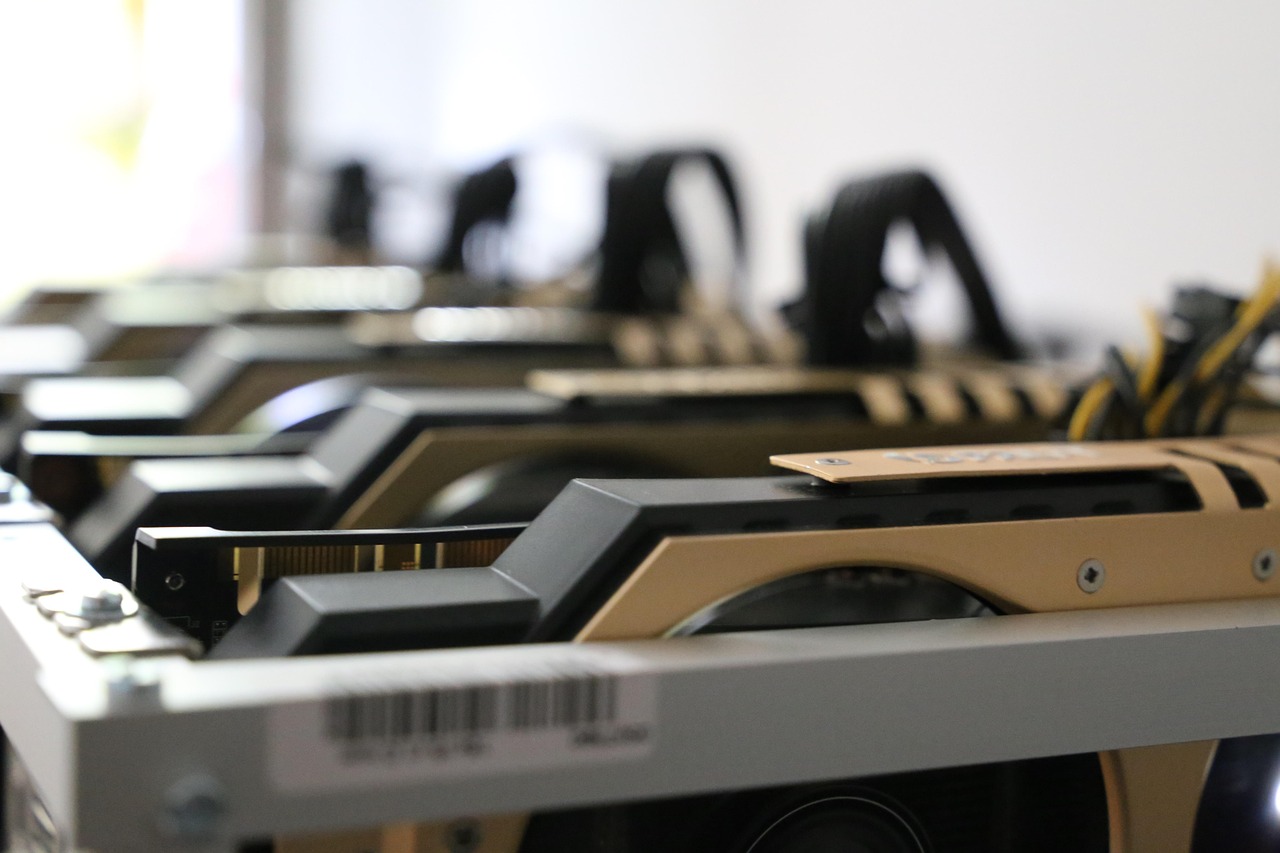
As reported by The Hacker News, researchers at the University of Toronto have disclosed GPUThor, a dramatically improved Rowhammer attack against NVIDIA Ampere-class workstation GPUs with GDDR6 memory. The attack achieves up to 377,552 bit flips per gigabyte on an RTX A5000—a 23,597-fold improvement over the same team's earlier GPUHammer work—and can escalate privileges to a root shell on the host system.
Why This Matters: The ECC Question
The most critical detail for defenders is the nuanced relationship between GPUThor and ECC. The article's headline suggests ECC is defeated, but NVIDIA's own July 2025 security notice clarifies that System-Level ECC, when enabled, continues to mitigate Rowhammer on these GPUs. The researchers' successful exploitation occurred with ECC disabled.
However, this is not a green light for complacency. GPUThor's core innovation—non-uniform hammering that overwhelms Target Row Refresh (TRR) by activating aggressor rows far more frequently than decoy rows—represents a fundamental advance in Rowhammer technique. The discovery that GDDR6 TRR likely executes only once every 72 refresh intervals, rather than per interval, exposes how thin the hardware defense layer truly is. If future variants can generate bit flips faster than ECC can correct them, or target multi-bit errors that exceed ECC's correction capacity, the mitigation calculus changes entirely.
Who Is at Risk
| Factor | Exposure Level |
|---|---|
| Multi-tenant GPU cloud/shared environments | Critical |
| Single-tenant systems running untrusted CUDA code | High |
| Systems with ECC disabled on Ampere workstation GPUs | High |
| Systems with System-Level ECC enabled | Low (currently mitigated) |
The attack prerequisite is modest: the ability to launch an unprivileged CUDA kernel. In cloud and shared GPU environments—increasingly common for AI/ML workloads—this is the default operating model. Any co-tenant on a shared card can potentially hammer adjacent memory banks belonging to another tenant's workload. The 24-hour hammering window per bank is long, but in persistent shared environments with long-running containers or VMs, it is entirely feasible.
Broader Implications for GPU Security Architecture
GPUThor exposes a gap that the industry has been slow to close: GPUs were not designed with adversarial co-tenancy in mind. The assumption that CUDA kernels are trusted is baked into the architecture. As GPU sharing becomes standard in AI infrastructure—think MIG partitions, time-sliced vGPU, and multi-tenant inference serving—this assumption is no longer valid.
The 72-refresh-interval TRR window discovery means that GPU memory controllers are far more predictable than defenders assumed. Predictability is the enemy of randomness-based defenses.
The privilege escalation to host root is particularly concerning because it bridges the GPU-host boundary. An attacker who compromises a GPU co-tenant workload can potentially escape to the host, turning a contained cloud workload compromise into a full hypervisor or host-level breach.
Shield53 Recommendations
Immediate Actions
nvidia-smi -q that ECC mode is active and error counters are baseline.Strategic Actions
- Monitor ECC error counters continuously. Deploy automated alerting on single-bit error spikes, which may indicate hammering attempts even when ECC prevents corruption. Feed these into your SIEM alongside GPU telemetry.
- Reassess GPU co-tenancy risk. For high-security environments, move from logical isolation (time-slicing) to physical isolation (dedicated GPUs per tenant) or MIG-backed hardware partitions where the GPU model supports it.
- Plan for post-ECC mitigations. Track this research lineage closely. If a future GPUThor variant demonstrates multi-bit flips that exceed ECC correction capacity, organizations need a pre-built response plan that includes workload migration and GPU decommissioning procedures.
- Engage cloud providers. If you consume shared GPU instances from cloud providers, request written confirmation of ECC status, isolation mechanisms, and monitoring practices for their GPU fleet.
The trajectory here is clear: each iteration of GPU Rowhammer research closes the gap between theoretical hardware attack and practical exploitation. GPUThor's 23,000x improvement over GPUHammer in a single research cycle should reset defender expectations about how quickly these attacks mature. Treat GPU memory isolation as a first-class security boundary, not an architectural afterthought.


