
As reported by SecurityAffairs, the FBI and DOJ have seized two complementary hacking platforms—QScan and QTRouter—operated by the China-linked group QTFY through Nanjing Xinjiuwei Network Technology Company. The platforms were allegedly used to target NASA, the Federal Reserve, the Departments of Energy, Justice, and HHS, NIH, and the U.S. Senate. This is not just another takedown; it is a window into how state-sponsored intrusion infrastructure has been productized.
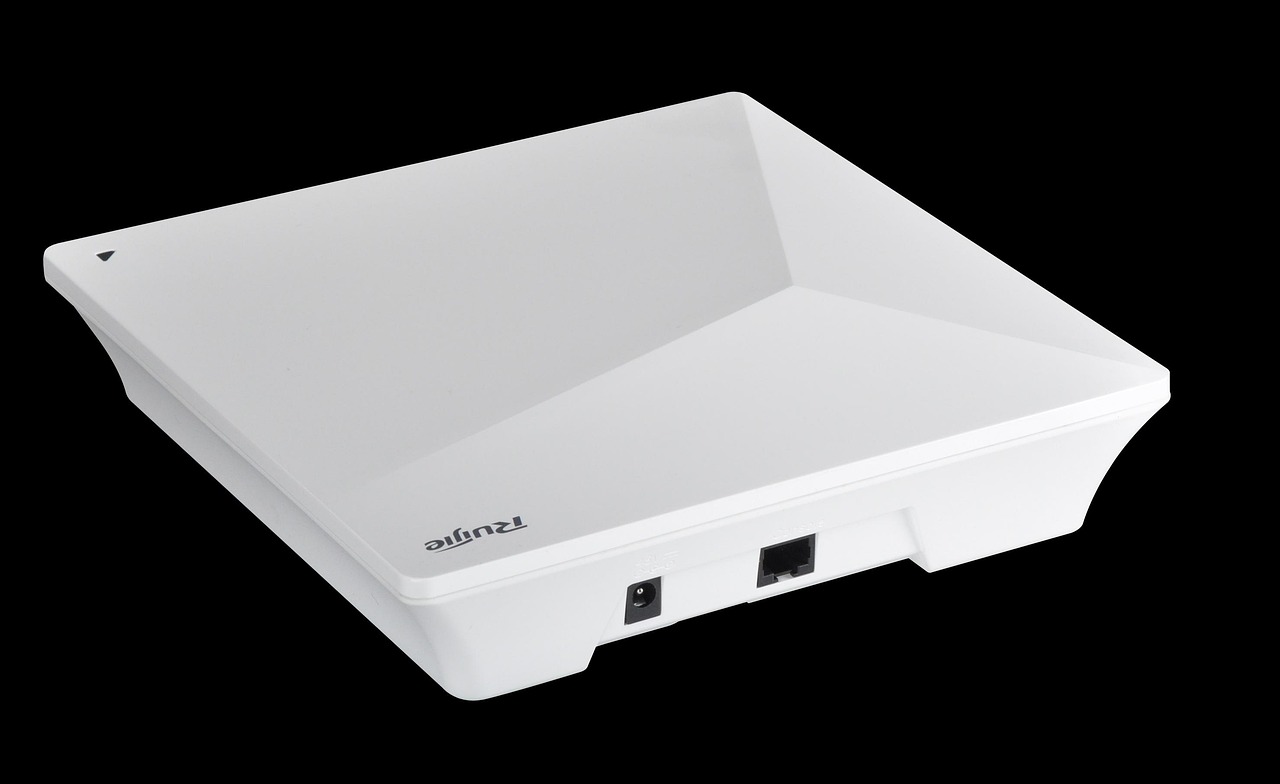
What makes QTFY operationally significant is the separation of concerns between the two tools. QScan was an automated mass-infection engine that harvested exposed IoT devices—routers, cameras, appliances—and folded them into QTRouter, a proxy network designed to obscure the true origin of malicious traffic. This is infrastructure-as-a-service built for state clients, including China's Ministry of State Security and the PLA. The model mirrors what we have seen from commercial proxy services like KV Botnet and the SOHO router campaigns attributed to Volt Typhoon, but with an explicit service-layer relationship between operator and state sponsor.
Why This Matters Beyond the Headline
The seizure confirms a trend Shield53 has been tracking: nation-state actors are increasingly outsourcing the messy work of infrastructure provisioning to semi-commercial entities that operate with plausible deniability. QTFY did not need to be a formal extension of the MSS to be useful—it needed to deliver reliable, scalable proxy capacity that state operators could lease or direct. This blurs the line between cybercrime and espionage and makes attribution harder for defenders who still think in binary categories.
The targeting profile is also telling. NASA, the Federal Reserve, Energy, NIH, and the Senate represent a convergence of scientific research, financial policy, energy infrastructure, and legislative intelligence. This is pre-positioning and collection against decision-making pipelines, not opportunistic theft. The use of compromised U.S.-based IoT devices to route attacks against U.S. government targets is particularly insidious—it means the traffic may never cross an international boundary that would trigger traditional geo-fencing alerts.
Who Is at Risk
Defensive Implications
Domain seizures degrade operational capacity but do not eliminate the threat. QTFY's customer base—state entities with deep resources—can migrate to alternate infrastructure quickly. Defenders should treat this as a tactical disruption, not a strategic defeat. The more durable lesson is that compromised edge devices are now a foundational layer of state-sponsored attack infrastructure, and securing them is a national security priority, not just a consumer safety issue.
The proxy network model means your firewall logs may show attacks originating from your own ISP's address space. Attribution by geolocation is dead. Behavioral detection and device integrity monitoring must take its place.
Shield53 Recommendations
- Audit and harden all externally exposed IoT and SOHO devices. Disable unnecessary management interfaces, enforce strong unique credentials, and apply vendor patches. Prioritize routers, IP cameras, and NAS devices.
- Implement outbound traffic baselining. Compromised IoT devices often beacon to C2 or relay traffic in patterns that differ from their normal function. Monitor for anomalous outbound connections from devices that should have minimal internet egress.
- Move beyond IP-based blocking. Incorporate behavioral indicators, JA3/JA4 fingerprinting, and device attestation into detection pipelines. Assume attacker traffic may originate from domestic residential IPs.
- Review federal-sector incident response runbooks to ensure they account for proxy-routed intrusions where the true origin differs from the observed source IP.
- Engage ISP and cloud provider cooperation for takedown and sinkholing of residual infrastructure that may continue operating under alternate domains.
- Brief executive leadership on the infrastructure-as-a-service model so risk acceptance decisions account for state-sponsored proxy networks, not just direct APT activity.
The QTFY seizure is a useful disruption, but the underlying business model—compromise edge devices, sell proxy capacity to state clients—is replicable and almost certainly already being replicated. The defensive shift required is structural: treat every internet-connected device in your environment as potential hostile infrastructure, and build detection accordingly.


