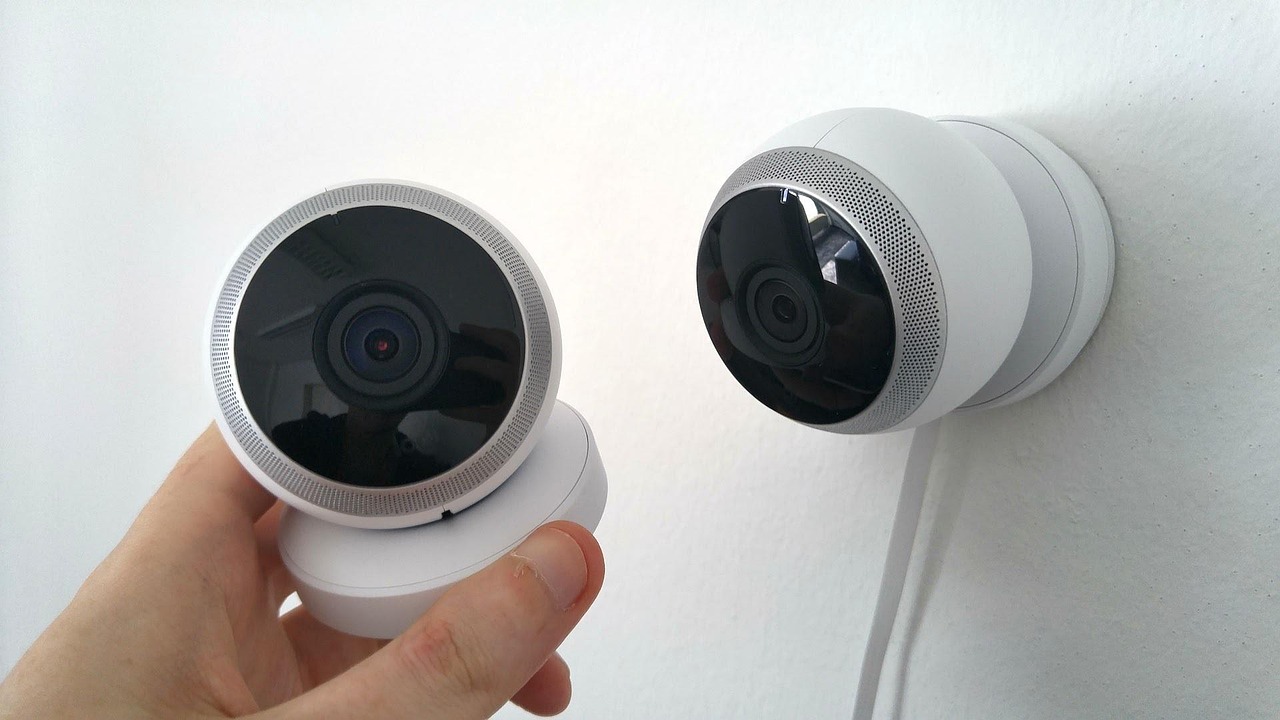
The enterprise communications landscape is undergoing a fundamental transformation as artificial intelligence becomes deeply embedded in voice and messaging platforms. While these advances promise enhanced productivity and streamlined operations, they're simultaneously introducing complex security considerations that cybersecurity professionals must navigate carefully.
The New Attack Surface
AI-powered voice communications systems present unique vulnerabilities that extend far beyond traditional telephony risks. Machine learning models integrated into these platforms can be exploited through adversarial inputs, potentially compromising call routing, voice recognition, and automated transcription services. The complexity of these systems creates multiple entry points for malicious actors seeking to infiltrate enterprise networks.
Modern voice platforms now process vast amounts of sensitive corporate data, from executive conversations to customer service interactions. This data aggregation makes these systems particularly attractive targets for cybercriminals and nation-state actors alike. The challenge lies not just in protecting the communications themselves, but in securing the AI models that process and analyze this information.
Trust Architecture Under Pressure
Traditional security models struggle to address the dynamic nature of AI-enhanced communications. Zero-trust frameworks, while essential, require significant adaptation to accommodate the real-time decision-making capabilities of AI systems. Organizations must establish granular access controls that can differentiate between legitimate AI operations and potential threats without impeding business functionality.
The authentication mechanisms for AI-powered voice systems also present new challenges. Voice biometrics, while convenient, can be spoofed using increasingly sophisticated deepfake technology. Multi-factor authentication becomes more complex when integrating with automated systems that need to operate without constant human intervention.
Compliance and Privacy Implications
Regulatory frameworks haven't kept pace with the rapid adoption of AI in enterprise communications. Organizations face uncertainty about data residency requirements, cross-border data transfers, and consent mechanisms when AI systems process voice communications across multiple jurisdictions. The European Union's AI Act and similar emerging regulations will likely reshape compliance requirements significantly.
Privacy concerns extend beyond regulatory compliance to encompass employee trust and corporate reputation. AI systems that analyze voice patterns and conversation content raise legitimate questions about workplace surveillance and data usage. Organizations must balance the benefits of AI-enhanced communications with respect for employee privacy and corporate ethics.
Securing the AI Pipeline
The machine learning models powering modern voice communications require continuous updates and training, creating an ongoing security challenge. Model poisoning attacks, where malicious data corrupts AI training processes, could compromise entire communication platforms. Organizations need robust data validation and model integrity verification processes to prevent such attacks.
Supply chain security becomes critical as organizations rely on third-party AI models and cloud-based services. The provenance of AI training data, the security of model development environments, and the integrity of software updates all require careful scrutiny. A compromised AI model could provide persistent access to sensitive communications across an entire enterprise.
What Organizations Should Do
Looking Forward
The convergence of AI and enterprise voice communications represents both an opportunity and a challenge for cybersecurity professionals. Organizations that proactively address these security considerations will be better positioned to leverage AI capabilities while maintaining robust protection against emerging threats. The key lies in developing security strategies that are as adaptive and intelligent as the AI systems they're designed to protect.
As this technology continues to evolve, security teams must stay informed about emerging AI vulnerabilities and maintain close collaboration with communications technology providers to ensure comprehensive protection across all enterprise voice platforms.