
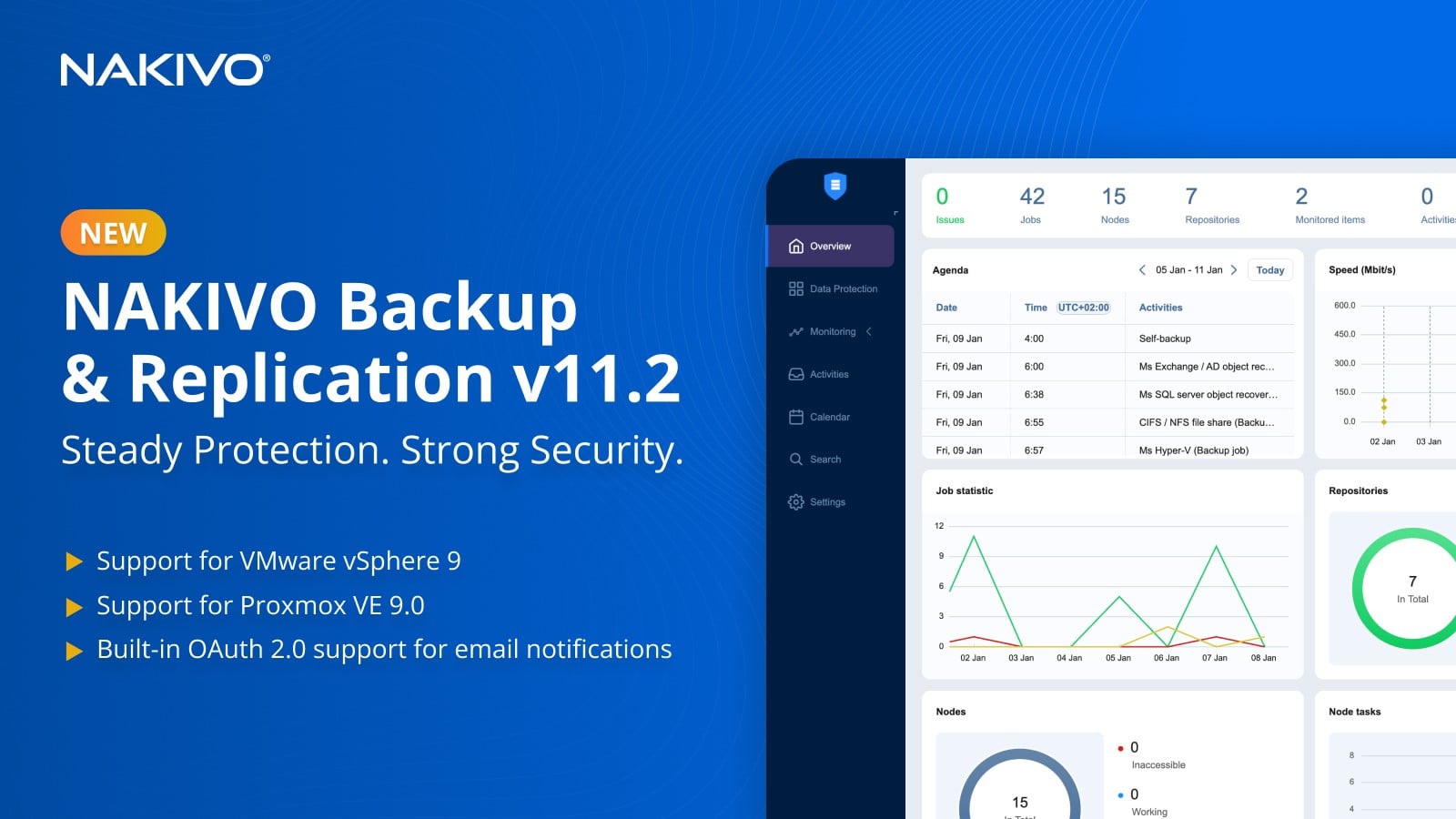
The escalating sophistication of ransomware campaigns has fundamentally reshaped how enterprises approach data protection. Organizations now face adversaries who understand backup systems intimately, deliberately targeting recovery infrastructure to maximize damage and extortion leverage. In response, next-generation backup platforms are evolving beyond traditional scheduled jobs toward comprehensive cyber resilience frameworks.
The Critical Gap in Traditional Backup Strategies
Most backup solutions operate on predetermined schedules—typically nightly snapshots that leave organizations vulnerable during the hours between jobs. When ransomware strikes at 2 PM, companies face losing an entire day's work, customer transactions, and operational data. This recovery gap has become a primary attack vector, as threat actors specifically time their campaigns to maximize data loss windows.
Modern backup architectures are addressing this vulnerability through continuous data protection mechanisms. Real-time replication keeps secondary copies synchronized with production systems, enabling near-instantaneous failover when primary infrastructure is compromised. For businesses where downtime costs reach thousands of dollars per minute, this capability transforms disaster recovery from a best-effort process into a predictable, measurable defense strategy.
Infrastructure Modernization Demands
Virtualization platforms continue evolving rapidly, creating compatibility challenges for backup systems. VMware's recent architectural changes and licensing restructuring have prompted many organizations to evaluate alternative hypervisors, while others accelerate their vSphere upgrade timelines.
Enterprise backup solutions must now support diverse virtualization environments simultaneously. Organizations running hybrid infrastructures—combining VMware vSphere with open-source alternatives like Proxmox—require unified management interfaces that deliver consistent protection across platforms.
The most effective backup strategies treat different hypervisors as part of a cohesive ecosystem rather than isolated silos requiring separate tools and workflows.
Critical Platform Support Features
Advanced Ransomware Countermeasures
Contemporary backup platforms integrate multiple ransomware defense layers rather than relying on single-point solutions. Immutable storage prevents attackers from encrypting or deleting backup copies, while air-gapped repositories provide offline recovery options when network-connected systems are compromised.
Pre-recovery malware scanning has emerged as a critical capability, automatically analyzing backup data before restoration to prevent reinfecting cleaned environments. This process identifies hidden malware that may have been dormant during the initial infection period.
Multi-Target Storage Strategy
Effective ransomware protection requires diverse storage targets with varying access methods:
- Cloud Object Storage: Immutable backups on AWS S3, Azure Blob, or specialized providers like Wasabi
- Appliance Integration: Hardware-based immutability through HPE StoreOnce, Dell EMC Data Domain, or NEC HYDRAstor systems
- Air-Gapped Media: Tape libraries or detached storage devices physically isolated from network access
- Cross-Region Replication: Geographically distributed copies protecting against localized disasters
Authentication Security Evolution
Legacy authentication mechanisms represent significant security vulnerabilities in backup systems. Basic username/password authentication for email notifications and system integrations creates credential exposure risks, particularly as major cloud providers phase out these deprecated methods.
OAuth 2.0 token-based authentication eliminates stored plaintext passwords while providing granular access controls. This transition is particularly important for organizations subject to compliance frameworks that mandate secure credential handling.
Key Takeaways for IT Leaders
Evaluate Real-Time Protection: Assess whether your current backup schedule creates unacceptable data loss windows. Consider continuous replication for critical workloads that cannot tolerate hours of recovery point objectives.
Plan for Platform Diversity: Prepare backup strategies that accommodate multiple hypervisors and cloud platforms. Hybrid environments are becoming the norm rather than the exception.
Implement Layered Ransomware Defense: Deploy multiple protection mechanisms including immutable storage, air-gapped copies, and pre-recovery scanning. Single-layer defense strategies consistently fail against sophisticated attacks.
Modernize Authentication: Transition away from basic authentication toward token-based systems. This change improves security posture while ensuring compatibility with evolving cloud provider requirements.
Test Recovery Procedures: Regular disaster recovery testing validates both technical capabilities and organizational readiness. Automated verification with screenshot confirmation can streamline this critical process.
The backup industry's evolution reflects broader cybersecurity realities. Organizations that adapt their data protection strategies to match current threat landscapes will maintain competitive advantages while those relying on outdated approaches face increasing risks of catastrophic data loss.


