
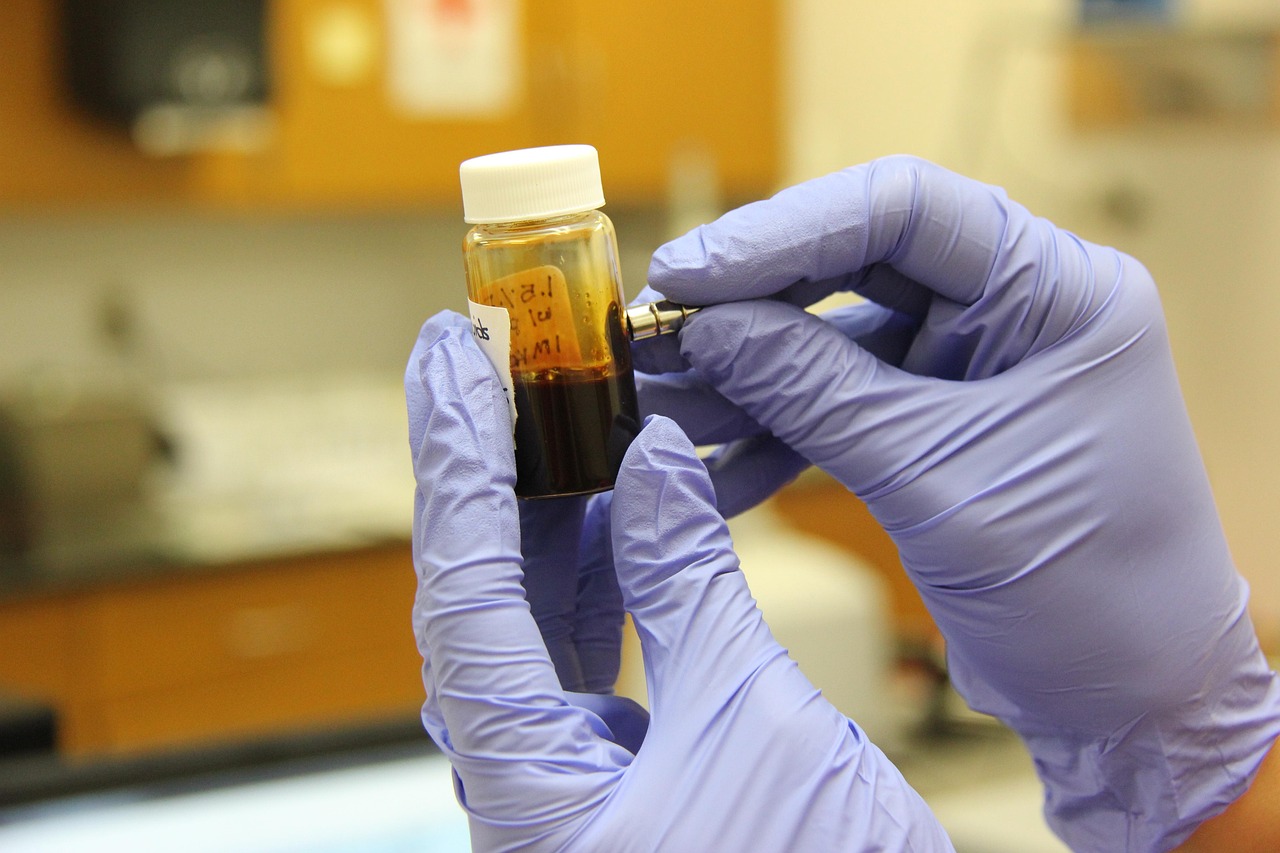
As reported by The Hacker News, Thermo Fisher Scientific has issued a security bulletin addressing a vulnerability in select Applied Biosystems human identification software that could permit manipulation of DNA output files in ways that are described as nearly undetectable. The implications of this flaw extend well beyond a typical enterprise software patch — they reach into courtrooms, clinical labs, and law enforcement workflows where the integrity of genetic data is foundational.
Vulnerability at a Glance
- CVE Identifier
- CVE-2026-17583
- Affected Software
- Select Applied Biosystems Human Identification (HID) software products by Thermo Fisher Scientific
- Affected File Types
- .fsa and .hid output files (electropherogram and fragment analysis outputs)
- Patch Status
- Patched — Thermo Fisher July 31 security bulletin
- Active Exploitation
- Not publicly reported at this time
- Severity
- Not fully disclosed in available reporting; nature of impact suggests High severity
Why This Vulnerability Is Uniquely Dangerous
Most software vulnerabilities threaten confidentiality, availability, or system integrity in ways that, while damaging, are ultimately recoverable. This flaw is different. It threatens the evidentiary integrity of biological data used to identify human beings — in criminal investigations, paternity disputes, missing persons cases, and clinical genetic testing.
The specific risk is that .fsa and .hid files — raw outputs from capillary electrophoresis instruments — could be modified prior to ingestion by analysis software, and that these modifications could pass undetected if standard laboratory controls are bypassed. In a forensic context, this means an attacker or malicious insider with access to the file system could potentially alter DNA profile data before it is interpreted, reported, or submitted as evidence.
The forensic chain of custody has always had a digital component that is underappreciated. This vulnerability makes that gap visible — and exploitable.
Who Is Most at Risk
The threat model here isn't necessarily a remote attacker. The more credible scenario is a privileged insider — a disgruntled employee, a corrupt analyst, or someone under external coercion — who already has local or network access to laboratory systems. The vulnerability lowers the bar for undetected manipulation, which is what makes it operationally significant.
Broader Implications for Forensic Digital Security
The forensic science community has long grappled with questions of digital chain of custody, but software-level vulnerabilities in laboratory instrumentation have historically received far less scrutiny than, say, hospital PACS systems or industrial control networks. This disclosure should prompt a broader conversation about the attack surface of scientific instrumentation software — a category that includes everything from mass spectrometry data platforms to genomic sequencing pipelines.
It also raises a thorny legal question: if evidence processed through vulnerable software is later presented in court, what obligations do prosecutors, defense attorneys, and expert witnesses have to disclose the patch history of the analytical platform? This is uncharted territory for most jurisdictions.
Shield53 Recommendations
Immediate Actions
- Apply the patch immediately. Prioritize any system used in active criminal investigations or clinical reporting pipelines. Do not wait for scheduled maintenance windows.
- Audit file access logs. Review access and modification timestamps on .fsa and .hid files for the period prior to patching, particularly on systems accessible to multiple users or connected to shared network storage.
- Implement file integrity monitoring (FIM). Deploy FIM tools (e.g., Tripwire, OSSEC, or equivalent) on laboratory workstations to detect unauthorized changes to instrument output files before analysis.
- Restrict filesystem permissions. Ensure that only authorized instrument software service accounts — not general user accounts — have write access to directories containing raw instrument output files.
- Review laboratory controls. The vendor's bulletin specifically notes that tampering is possible when laboratory controls are circumvented. Audit your SOPs to confirm that these controls are actively enforced and not merely documented.
Longer-Term Hardening
- Consider implementing cryptographic signing or hashing of instrument output files at the point of generation, creating an immutable reference for downstream comparison.
- Engage your legal and compliance teams to assess any disclosure obligations related to evidence processed through the unpatched software.
- Include scientific instrumentation software in your vulnerability management program — not just IT and OT assets.
- Contact Thermo Fisher's security team directly for any clarification on detection methods or additional mitigations appropriate to your deployment.
CVE-2026-17583 is a reminder that the integrity of digital scientific data is a cybersecurity problem, not just a laboratory QA problem. The organizations that recognize this early will be better positioned to defend both their workflows and their legal standing.


