
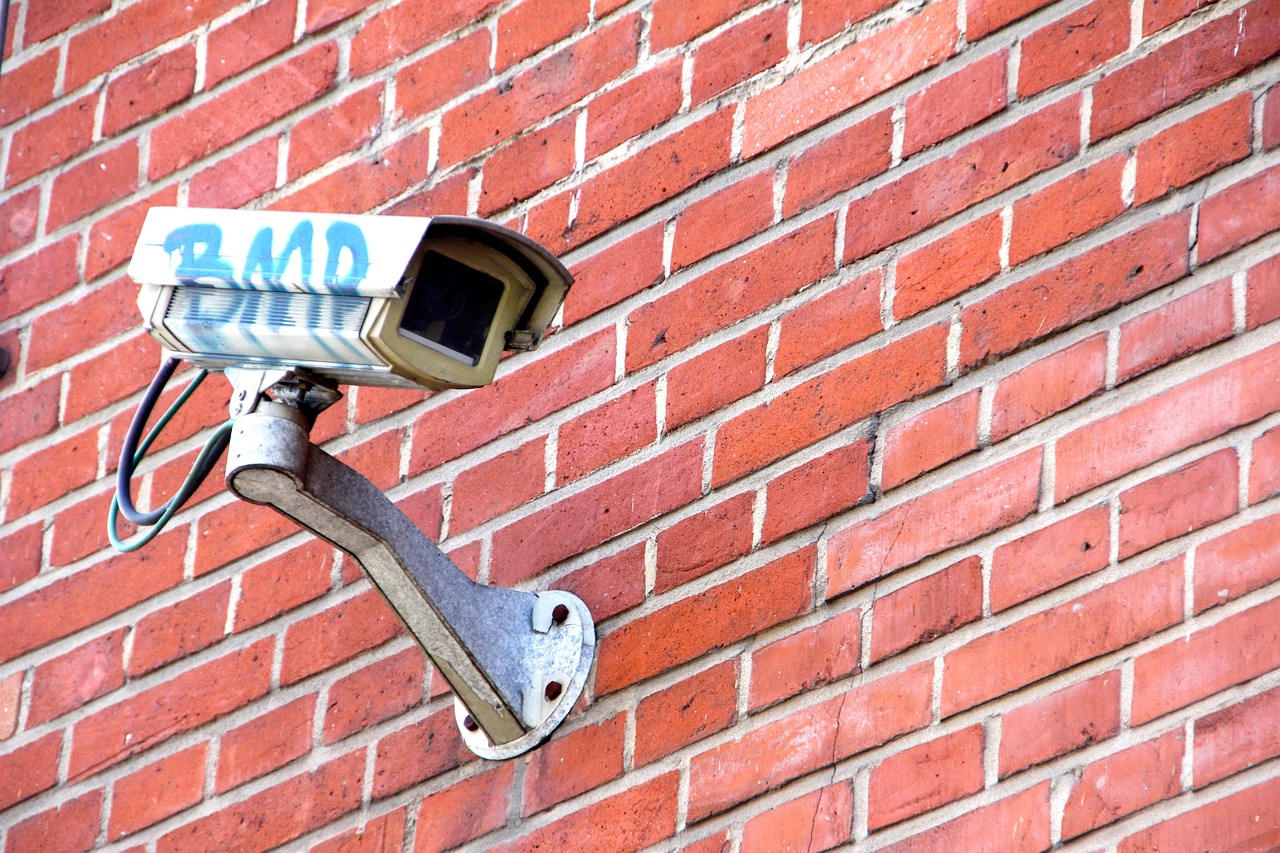
As reported by CISA in advisory ICSA-26-272-03, a critical command injection vulnerability (CVE-2026-22755) has been disclosed across more than 40 VIVOTEK network camera models spanning multiple product lines. With a CVSS v3 base score of 10.0 — the maximum possible — this flaw enables remote command execution with root privileges on affected devices, representing a worst-case scenario for physical security and surveillance infrastructure.
Vulnerability Profile
| CVE | CVE-2026-22755 |
| CVSS v3 | 10.0 (Critical) |
| Type | Command Injection (CWE-78) |
| Vendor | VIVOTEK Inc. (Taiwan) |
| Impact | Remote Code Execution with root privileges |
| Authentication | Not specified in advisory — assume unauthenticated feasible pending vendor clarification |
| Attack Vector | Network (exploitable remotely) |
| Active Exploitation | Not confirmed in the wild at time of disclosure |
| Patch Status | Refer to VIVOTEK vendor advisory for firmware updates |
Why This Matters
Surveillance cameras are the silent backbone of physical security programs — but they are also networked Linux computers that are frequently overlooked in vulnerability management cycles. A CVSS 10.0 command injection flaw that grants root is not merely a camera problem; it is a beachhead problem. Compromised cameras become pivot points for lateral movement into OT segments, credential harvesting from attached NVR/VMS systems, and persistent C2 infrastructure that evades standard endpoint detection.
The affected models are deployed across Government Services, Transportation Systems, Energy, Critical Manufacturing, and Financial Services — all sectors where a single compromised IoT asset can cascade into regulatory, safety, and operational consequences. Cameras are also frequently internet-exposed for remote monitoring access, dramatically increasing the attack surface for pre-authentication exploitation.
Who Is Most Exposed
Strategic Implications
This advisory reinforces a persistent gap in IoT/OT governance: cameras are treated as appliances, not as compute endpoints. A root shell on a camera is functionally equivalent to a root shell on any Linux server — and defenders must respond accordingly.
The sheer model breadth — over 40 SKUs across V, S, C, Dome, Panoramic, and Bullet lines — suggests a shared firmware component or common code library is at fault. This pattern mirrors prior IoT supply-chain disclosures where a single vulnerable library propagated across an entire product family, making firmware bill-of-materials (SBOM) practices essential for triage.
Shield53 Recommendations — Immediate Actions
- Inventory & Identification: Query all network segments for VIVOTEK devices. Nmap NSE scripts for VIVOTEK UPnP/banner detection or vendor-specific asset discovery tools can enumerate deployed models quickly.
- Network Isolation: Immediately restrict internet exposure for all affected models. Move cameras to isolated VLANs with strict east-west firewall rules limiting communication to authorized NVR/VMS destinations only.
- Disable Unused Services: Disable telnet, SSH, UPnP, and any CGI endpoints not required for VMS integration. If the vulnerability exists in a specific web endpoint, blocking path access via reverse proxy or WAF rules can serve as interim mitigation.
- Patch Firmware: Monitor the VIVOTEK security advisory portal for firmware releases addressing CVE-2026-22755. Apply patched firmware in a controlled rollout, validating camera functionality post-update.
- Hunt for Compromise: Review camera logs for unexpected command execution, new user accounts, modified cron jobs, or outbound connections to non-VMS destinations. Check for signs of reverse shells or Mirai-class botnet enrollment — IoT RCE flaws are frequently weaponized by coinmining and DDoS botnet operators within days of disclosure.
- Enforce MFA & Credential Rotation: If any camera admin credentials were reused across infrastructure, rotate them now. Enforce unique credentials per device and enable MFA where the VMS supports it.
- Establish IoT Vulnerability SLA: Define a 72-hour patching SLA for CVSS 9.0+ IoT/OT disclosures and integrate camera firmware into your asset management tooling rather than treating it as a facilities-only concern.
This disclosure should serve as a catalyst for re-evaluating how your organization governs IoT assets. Cameras are endpoints — and they deserve the same vulnerability management rigor as any server in your environment.