
The cybersecurity landscape has entered a new phase of sophistication and urgency, with state-sponsored actors expanding their reach while novel attack vectors challenge traditional security models. Recent intelligence reveals a coordinated assault on critical infrastructure, accelerated zero-day exploitation timelines, and the emergence of hardware-level vulnerabilities that fundamentally alter the threat equation.
Iranian Operations Target Critical Infrastructure at Scale
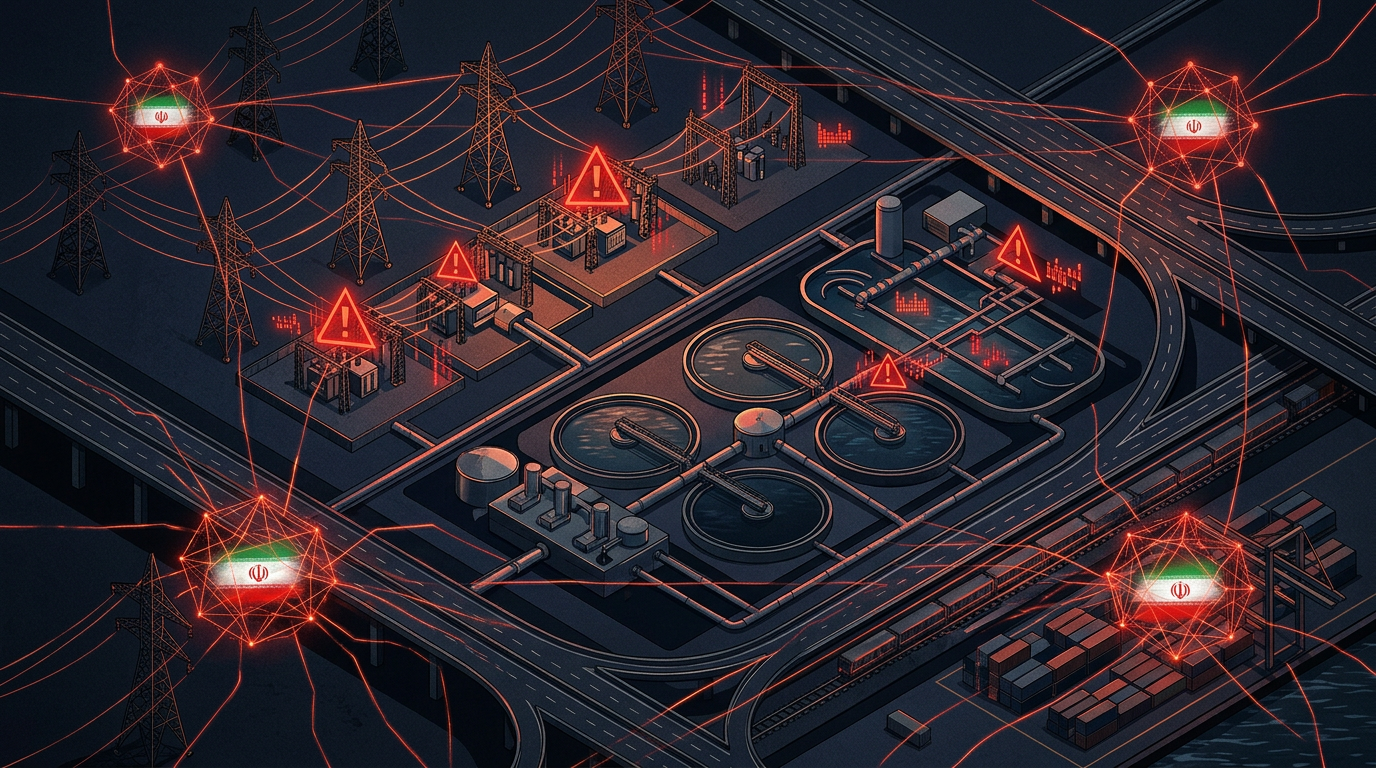
Intelligence analysis has identified over 5,000 vulnerable devices across critical infrastructure networks, with the majority concentrated in United States facilities. Iranian advanced persistent threat groups have systematically cataloged these exposure points, focusing particularly on programmable logic controllers (PLCs) that manage essential services including power generation, water treatment, and transportation systems.
This campaign represents a strategic shift from opportunistic reconnaissance to deliberate targeting of industrial control systems. The scope suggests state-level coordination designed to establish persistent access for potential future operations. Security teams managing operational technology environments face an immediate imperative to audit exposed systems and implement network segmentation protocols.
Zero-Day Exploitation Windows Collapse
The traditional grace period for patching critical vulnerabilities has effectively disappeared. Recent analysis of remote code execution flaws in popular development platforms shows attackers achieving functional exploits within ten hours of public disclosure. This acceleration reflects improved automation tools and enhanced coordination among threat actor communities.
The collapse of exploitation timelines fundamentally changes patch management priorities, requiring organizations to treat all critical vulnerabilities as actively exploited from the moment of disclosure.
Multiple zero-day vulnerabilities have emerged simultaneously across diverse technology stacks, from enterprise PDF readers to cloud-native development tools. This pattern suggests either coordinated disclosure timing or sophisticated vulnerability research capabilities among adversarial groups.
Hardware-Level Attacks Breach Traditional Boundaries
Researchers have demonstrated practical privilege escalation attacks targeting graphics processing units through memory corruption techniques. These GPU-based exploits leverage hardware-level vulnerabilities to achieve complete system compromise, bypassing traditional software-based security controls.
The implications extend far beyond gaming systems, as modern computing environments increasingly rely on GPU acceleration for artificial intelligence workloads, cryptocurrency operations, and high-performance computing tasks. Organizations deploying GPU-intensive infrastructure must now consider hardware-level attack surfaces previously deemed theoretical.
Healthcare Systems Face Coordinated Ransomware Campaign
European healthcare networks have experienced significant disruption following targeted ransomware deployment against electronic health record providers. The attacks demonstrate sophisticated understanding of healthcare IT dependencies, with attackers timing deployment to maximize operational impact while patients require continuous care.
The campaign's cross-border nature indicates advanced operational planning and suggests healthcare sector targeting will intensify as threat actors recognize the sector's limited tolerance for service interruptions. Healthcare organizations must prioritize offline backup systems and incident response procedures designed for extended recovery periods.
Supply Chain Compromises Multiply Attack Surfaces
Multiple software supply chain compromises have surfaced across development ecosystems, from package repositories to integrated development environment plugins. Attackers demonstrate increasing sophistication in embedding malicious code within legitimate software distribution channels.
These compromises particularly target developer tools and AI framework components, suggesting strategic focus on organizations building next-generation technology capabilities. The attacks highlight critical gaps in software supply chain verification processes across the technology sector.
What You Should Do
The convergence of state-sponsored operations, hardware-level vulnerabilities, and accelerated exploitation timelines demands immediate strategic recalibration. Organizations must move beyond traditional reactive security models toward continuous threat-informed defense postures capable of addressing sophisticated, persistent adversaries operating across multiple attack vectors simultaneously.


