
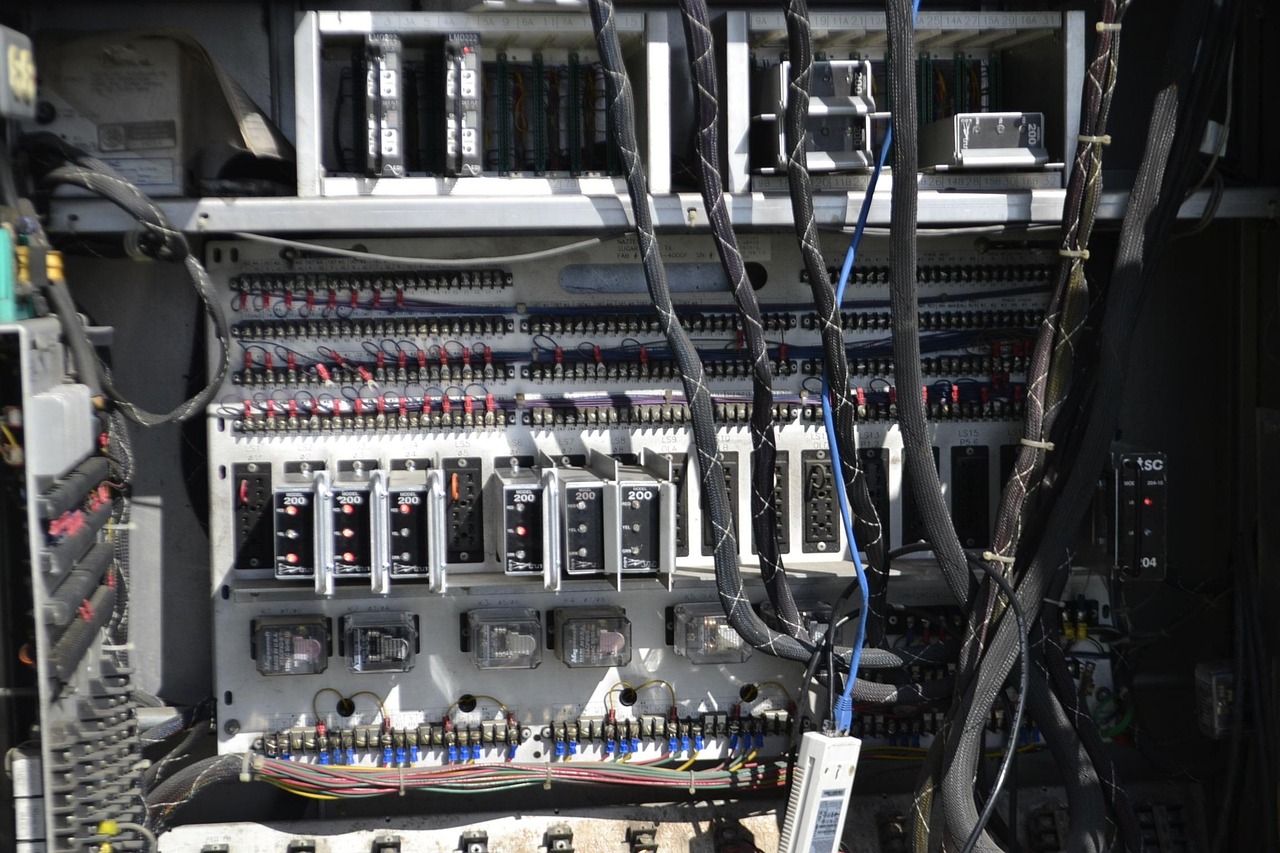
As reported by Security Affairs, the latest intelligence cycle highlights a disturbing acceleration in targeting of critical infrastructure — specifically water utilities and energy control systems — by Iran-linked threat actors, alongside a separate breach impacting Australian energy provider Origin Energy.
Why This Moment Demands Attention
These aren't isolated incidents. What we're witnessing is a deliberate, strategic campaign to map, infiltrate, and establish persistence within the operational technology (OT) environments that underpin modern civil society. Water treatment facilities and energy distribution networks represent a particularly dangerous attack surface: legacy SCADA systems, minimal network segmentation, and historically under-resourced security teams create conditions adversaries actively exploit.
Iran-linked groups — including those previously attributed to IRGC-affiliated operations — have demonstrated both the capability and the intent to move beyond reconnaissance into disruptive action, as evidenced by past incidents at Israeli and US water facilities. The targeting of US water and energy control systems in the current cycle suggests these actors are maintaining persistent footholds, likely for future leverage or sabotage options during periods of geopolitical tension.
When adversaries invest time in OT environments without triggering immediate disruption, the goal is rarely opportunistic. Persistence in ICS environments is pre-positioning — a strategic asset held in reserve.
The Broader Risk Landscape
The simultaneous reporting of Origin Energy's breach in Australia underscores that critical infrastructure targeting is a global phenomenon, not a uniquely American problem. Energy sector organizations across allied nations face comparable risk profiles, particularly those running hybrid IT/OT environments where a compromise on the enterprise IT side can serve as a pivot point into operational systems.
Key factors elevating risk across this sector include:
Geopolitical Context Matters
Threat actor activity in this space rarely occurs in a vacuum. Iranian cyber operations historically spike during periods of elevated diplomatic tension or following significant geopolitical events. Security teams should correlate current geopolitical developments with observed network anomalies — a spike in reconnaissance activity against OT assets during a sensitive diplomatic period deserves significantly more scrutiny than baseline.
Shield53 Recommendations
Immediate Actions for Water and Energy Operators
- Audit remote access pathways immediately: Disable all unnecessary VPN, RDP, and vendor remote access points. Enforce MFA on every remaining remote access channel — no exceptions for OT environments.
- Inventory internet-facing OT assets: Use passive discovery tools to identify any HMIs, historian servers, or engineering workstations with external exposure and take them offline or firewall them immediately.
- Implement OT-native detection: Deploy purpose-built OT monitoring platforms (e.g., Claroty, Dragos, Nozomi) capable of baselining normal ICS protocol behavior and alerting on deviations.
- Enforce network segmentation: Ensure the Purdue Model or IEC 62443 zone/conduit model is actually implemented — not just on paper. Verify that PLCs and RTUs cannot be directly reached from enterprise IT networks.
- Review CISA advisories: Cross-reference your asset inventory against all active CISA ICS-CERT advisories and the Known Exploited Vulnerabilities (KEV) catalog. Prioritize patching any KEV-listed vulnerabilities in OT-adjacent systems.
- Conduct tabletop exercises: Run ICS-specific incident response scenarios, including scenarios where IT is compromised and used as a pivot. Most teams have never practiced OT-specific containment procedures.
For CISOs and Security Leaders
This is the moment to brief executive leadership and boards on OT risk in concrete terms. The question is no longer whether critical infrastructure will be targeted — it is whether your organization will detect, contain, and recover faster than an adversary can cause harm. Investment in OT visibility tooling, segmentation projects, and cross-functional IT/OT security teams should be elevated as a board-level risk priority, not deferred as a capital project.
The threat is real, the actors are capable, and the attack surface remains far too permissive. The window to harden these environments before a significant disruptive event narrows with each reported intrusion.


