
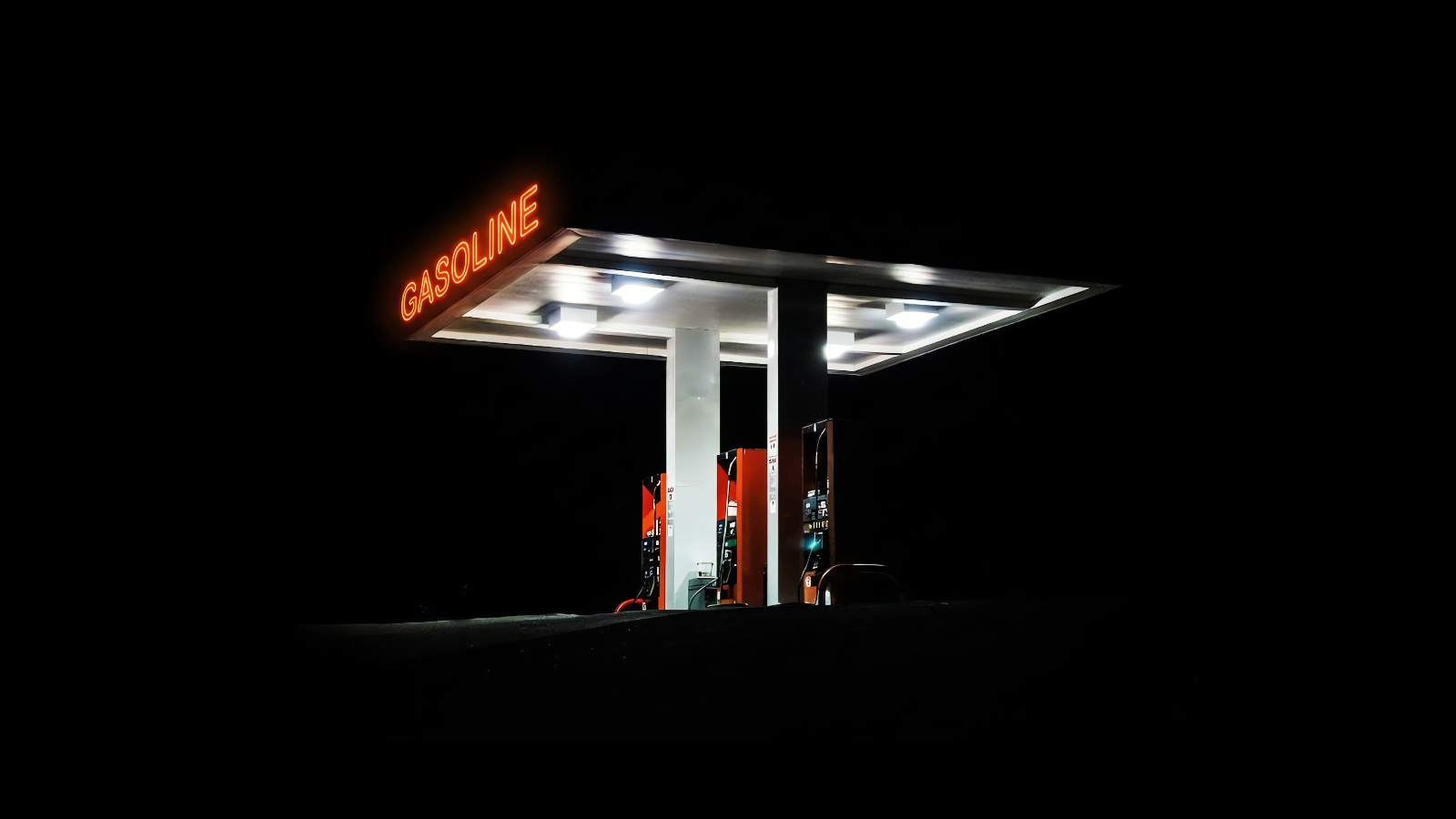
A disturbing security landscape has emerged across America's fuel infrastructure, where nearly a thousand automated monitoring systems remain dangerously exposed to cybercriminal exploitation. These critical devices, responsible for tracking fuel levels and detecting environmental hazards at gas stations and industrial facilities nationwide, have become prime targets in an escalating wave of cyber attacks.
The scope of this vulnerability extends far beyond simple data breaches. Automated tank gauge (ATG) systems serve as the digital nervous system for fuel storage operations, continuously monitoring inventory levels, detecting potential leaks, and ensuring regulatory compliance across thousands of critical infrastructure sites. When these systems fall into the wrong hands, the consequences can ripple through entire supply chains.
The Attack Vector: Multiple Security Failures
Cybersecurity researchers have identified a perfect storm of security weaknesses plaguing these industrial control systems. The vulnerabilities read like a textbook of poor security practices: hardcoded passwords that cannot be changed, authentication mechanisms that can be easily bypassed, and SQL injection flaws that grant attackers direct database access.
Perhaps most concerning is the prevalence of command execution vulnerabilities, which allow attackers to run arbitrary code on compromised systems. Combined with privilege escalation weaknesses, these flaws effectively hand over complete administrative control to malicious actors who successfully breach the initial defenses.
Federal cybersecurity agencies have documented active exploitation campaigns where attackers systematically compromise internet-facing ATG systems and proceed to modify their operational parameters. While the full scope of these modifications remains under investigation, early indicators suggest attackers are primarily focused on manipulating display readings and disabling critical safety alerts.
Beyond Display Manipulation: The Real Dangers
Initial attack reports suggest cybercriminals have focused on altering fuel level displays without actually changing physical tank contents. However, cybersecurity experts warn that this represents only the tip of the iceberg regarding potential attack scenarios.
The most serious threat lies in the deliberate disabling of leak detection systems. These automated safeguards serve as the first line of defense against environmental contamination and explosion hazards. By silencing these alerts, attackers could mask genuine equipment failures or environmental breaches, potentially leading to catastrophic incidents that endanger both human safety and environmental protection.
Furthermore, the command execution capabilities discovered in these systems open the door to more sophisticated attacks. Malicious actors could potentially:
Industrial Control System Security Crisis
This ATG vulnerability crisis reflects broader systemic issues within industrial control system security. Recent intelligence assessments have linked similar infrastructure targeting campaigns to state-sponsored threat actors, particularly those with interests in disrupting American energy security and industrial operations.
The pattern of attacks suggests a coordinated effort to map and potentially compromise critical infrastructure control systems across multiple sectors. Energy sector targeting has historically served as both an intelligence gathering operation and a preparatory phase for more destructive capabilities.
The convergence of weak authentication, internet exposure, and critical infrastructure control creates an irresistible target for both criminal and nation-state actors seeking to demonstrate capability or cause economic disruption.
Geographic Distribution and Scale
Internet scanning initiatives have revealed that the United States hosts the overwhelming majority of exposed ATG systems globally. This concentration creates a particularly attractive target set for adversaries seeking maximum impact from their operations.
The geographic clustering also suggests that successful attack methodologies can be rapidly scaled across multiple targets, amplifying the potential for widespread disruption. Given the interconnected nature of fuel distribution networks, compromises at seemingly isolated facilities could cascade through regional supply chains.
What Organizations Must Do Now
Critical infrastructure operators cannot afford to treat this as a theoretical threat. Immediate defensive actions are essential to prevent further compromises:
- Eliminate Internet Exposure: Remove direct internet access to ATG systems immediately. Implement network segmentation and controlled access through VPN tunnels or dedicated management networks.
- Credential Overhaul: Replace all default passwords with complex, unique credentials. Implement multi-factor authentication wherever technically feasible.
- Monitoring Enhancement: Deploy continuous monitoring solutions specifically designed to detect unauthorized changes to system configurations and operational parameters.
- Patch Management: Establish regular update cycles for all ATG system firmware and software components. Prioritize security patches for known vulnerabilities.
- Access Control Lists: Implement strict firewall rules and access control lists that limit system access to authorized personnel and approved network segments only.
Strategic Security Implications
The ATG system vulnerability crisis represents more than an isolated security incident—it exemplifies the challenges facing critical infrastructure protection in an increasingly connected world. As industrial systems continue integrating with digital networks, the attack surface expands exponentially while defensive capabilities often lag behind.
Organizations must recognize that cybersecurity is no longer a purely IT concern but a fundamental operational risk that requires board-level attention and resource allocation. The potential for physical damage, environmental harm, and regulatory penalties demands a comprehensive security approach that treats these systems with the same rigor applied to other mission-critical infrastructure.
The current threat landscape requires immediate action, sustained investment in security capabilities, and a fundamental shift toward treating industrial control systems as high-value targets requiring enterprise-grade protection.


