
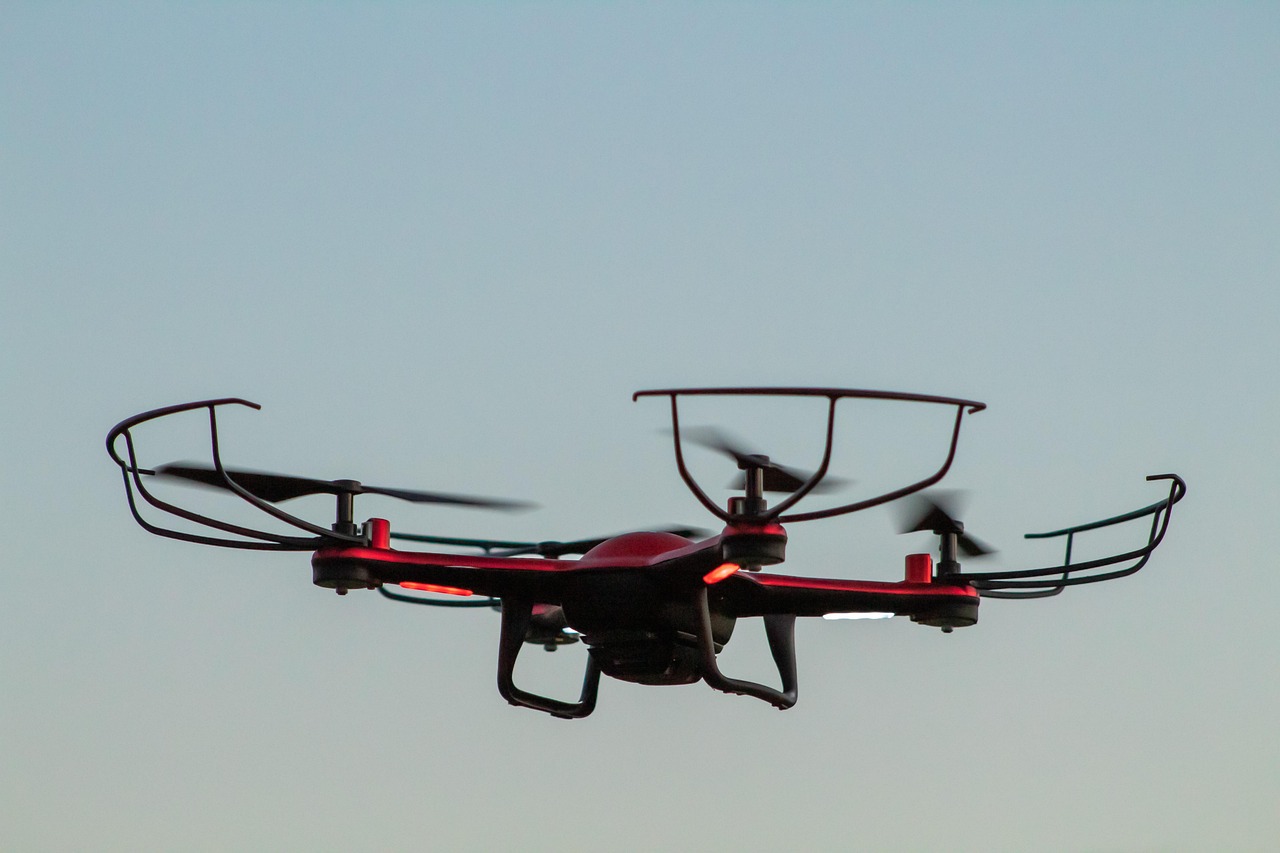
A robotics platform deployed across commercial facilities worldwide is carrying vulnerabilities serious enough to hand remote attackers the keys to an entire fleet of automated machines. Security researchers have identified critical weaknesses in the Yarbo mobile application ecosystem and its supporting cloud infrastructure — flaws that expose hard-coded credentials, telemetry data streams, and, most alarmingly, the ability to issue operational commands directly to connected robots.
What Is at Stake
The vulnerabilities affect the Yarbo Android and iOS mobile applications alongside the platform's cloud-based MQTT messaging infrastructure. MQTT — a lightweight publish-subscribe protocol favored in IoT deployments — serves as the communication backbone between the Yarbo apps and the physical robots they control. When that backbone is secured with credentials that never change, never expire, and are identical across every installation worldwide, it stops being a backbone and starts being an open door.
The severity of these issues is reflected in their CVSS v3 score of 9.8 out of 10 — a rating reserved for vulnerabilities that are remotely exploitable, require no authentication, and carry high impact across confidentiality, integrity, and availability. That trifecta alone should be sufficient to trigger emergency patching protocols at any organization operating this platform.
Hard-Coded Credentials: A Persistent Industry Failure
The most straightforward of the identified weaknesses involves credentials for the MQTT broker that are baked directly into the application binary. These are not default credentials that users are encouraged to change — they are fixed values, identical for every user and every device, embedded at compile time and shipped to millions of devices via public app stores.
Extracting these credentials requires nothing more sophisticated than a basic APK decompilation — a process achievable in minutes with freely available tools and no specialized expertise.
Once an attacker possesses valid MQTT broker credentials, the attack surface expands dramatically. MQTT's publish-subscribe model means that a single authenticated client can subscribe to telemetry channels, intercept operational data, and — critically — publish commands that the robot fleet may treat as legitimate instructions. The combination of hard-coded credentials and missing authorization controls creates a scenario where there is effectively no barrier between a malicious actor and a fleet of physical machines operating in commercial environments.
Missing Authorization: The Second Layer of Failure
Hard-coded credentials are damaging on their own. But the absence of meaningful authorization controls compounds the risk substantially. In a properly architected IoT deployment, even a client that successfully authenticates to a message broker should face granular access controls — restrictions on which topics it can publish to, which devices it can address, and what commands it is permitted to send.
When those controls are absent, authentication becomes theater. An attacker who extracts the static credentials from the application binary gains unrestricted access equivalent to a legitimate operator — with no audit trail, no rate limiting, and no mechanism to distinguish malicious commands from authorized ones.
Geographic and Sectoral Exposure
Yarbo's robotics platform is headquartered in China and deployed across commercial facilities worldwide. The breadth of that deployment means the potential victim pool is geographically diverse and spans industries ranging from hospitality to logistics to property management. Robots operating in these environments are not passive sensors — they are physically capable machines. The ability to issue unauthorized operational commands carries implications that go beyond data theft into the realm of physical safety.
What You Should Do
The Broader Warning for Industrial IoT
This disclosure is not an isolated incident — it is a symptom of a persistent design culture in connected device development where speed to market consistently outpaces security rigor. Hard-coded credentials have appeared on vulnerability advisories for over a decade, yet they continue to surface in production systems controlling physical infrastructure. As robotics platforms proliferate across commercial and industrial environments, the consequences of these failures evolve from data breaches to scenarios with tangible physical risk.
Organizations procuring connected robotics or IoT platforms must demand security documentation as part of the acquisition process — including evidence of credential management practices, authorization architecture, and third-party penetration testing results. A 9.8 CVSS score on a platform controlling physical machines in a commercial facility is not a vendor problem to be patiently awaited. It is an organizational risk requiring immediate mitigation.


