
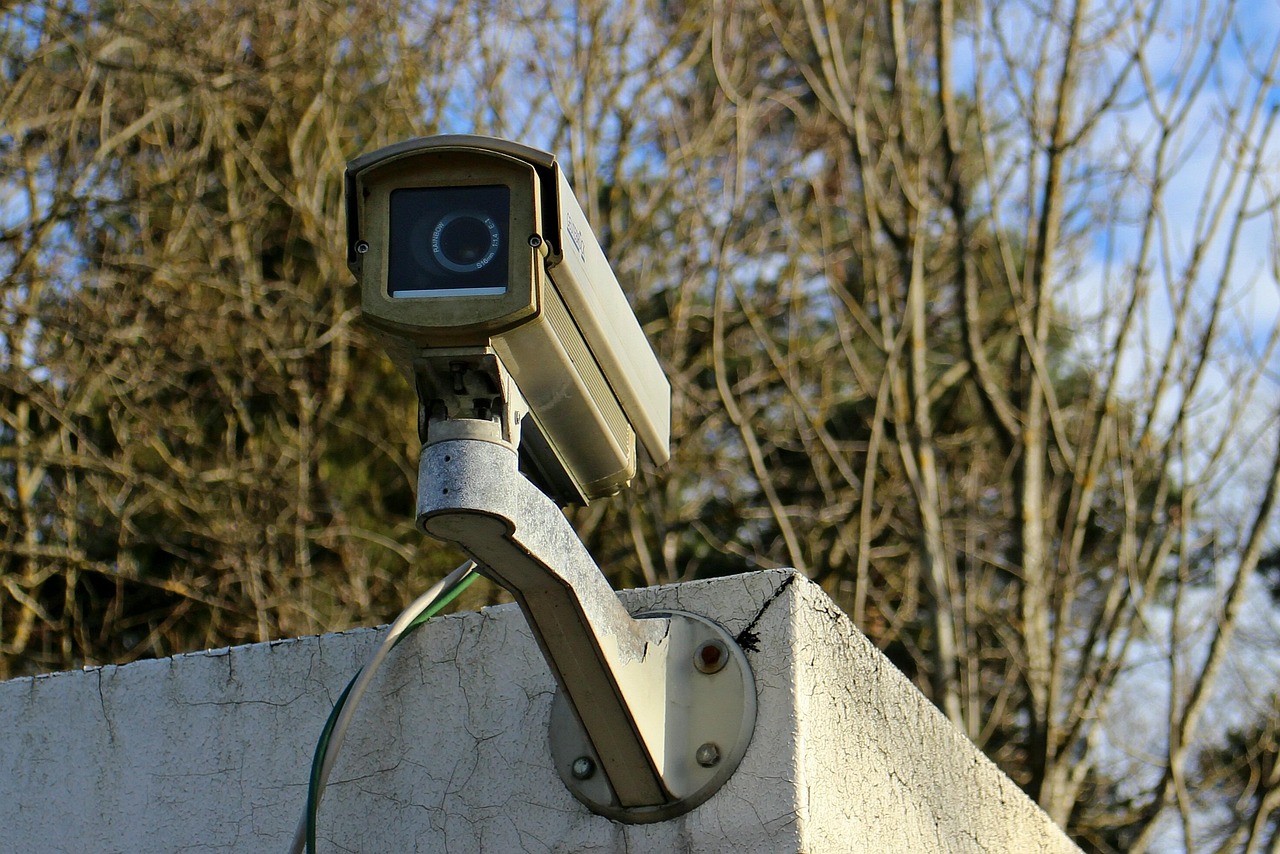
A pair of serious security vulnerabilities has been disclosed affecting the H.VIEW HV-500S6 IP camera, a surveillance device deployed across commercial facilities worldwide. The flaws — an OS command injection weakness and an unrestricted file upload issue — create a dangerous attack surface that could allow a threat actor to seize control of affected devices, execute arbitrary code, and potentially pivot deeper into a target network.
What's Vulnerable and Why It Matters
The affected firmware version, IPCAM_V4.06.88.251229, contains two distinct vulnerability classes that, when combined, represent a particularly serious risk profile. Together they carry a CVSS v3 base score of 7.2, placing them firmly in the high-severity tier — and for devices embedded in physical security infrastructure, the real-world implications extend well beyond the score alone.
OS Command Injection via Certificate Generation Interface
The first vulnerability stems from a fundamental failure in input validation. The camera's certificate generation interface accepts XML-formatted input from authenticated users — but critically, it does not sanitize that input before passing it to a backend command responsible for certificate creation. An attacker who has gained valid credentials to the device can craft malicious XML fields containing shell metacharacters or injected commands, which are then executed with elevated privileges on the underlying operating system.
Unsanitized user-controlled input flowing directly into system-level commands is one of the oldest and most preventable vulnerability patterns in embedded systems development — yet it continues to surface in commercially deployed devices.
The consequence is straightforward: authenticated command execution at an elevated privilege level. Depending on the network architecture, this could enable lateral movement, credential harvesting, or the establishment of persistent backdoors on devices that are rarely monitored or updated.
Unrestricted File Upload
The second vulnerability compounds the threat significantly. The device fails to adequately restrict the types of files that can be uploaded through its interface, permitting the transfer of files with dangerous or executable types. An attacker leveraging this flaw could stage malicious payloads directly onto the device — web shells, modified firmware, or tooling to support further exploitation — without meaningful restriction from the camera's own defenses.
When chained with the command injection vulnerability, the attack scenario becomes especially severe: upload a malicious file, then trigger its execution via injected commands. This two-step sequence requires only authenticated access — a bar that is often lower than it appears, given the prevalence of default credentials on IoT and IP camera deployments.
Scope and Deployment Context
The H.VIEW HV-500S6 is manufactured by a China-headquartered vendor and has been deployed globally, with commercial facilities identified as a primary affected sector. This deployment profile is significant. IP cameras in commercial environments — retail centers, office buildings, warehouses, hospitality venues — are frequently connected to broader corporate networks while receiving minimal security oversight. They are updated infrequently, monitored inconsistently, and often operate with default or weak credentials.
This combination of factors makes them attractive targets not just for opportunistic attackers, but for threat actors seeking persistent, low-visibility footholds in enterprise environments. A compromised surveillance camera is, in many respects, an ideal persistence mechanism: always on, always connected, and rarely scrutinized.
The Broader IoT Security Problem
These vulnerabilities are not anomalies — they are symptoms of a persistent structural problem in the IoT and embedded device market. OS command injection and unrestricted file upload are well-documented, well-understood vulnerability classes. Their presence in a commercially shipped IP camera in 2026 reflects inadequate secure development practices and, likely, insufficient pre-release security testing.
For organizations deploying physical security infrastructure, this creates an uncomfortable paradox: the very devices installed to protect facilities may themselves become vectors for the attacks they are meant to deter.
What You Should Do
The disclosure of these vulnerabilities is a timely reminder that physical security devices carry digital risk — and that risk management frameworks must treat them accordingly. In an era where the network perimeter extends to every connected device on a facility floor, the security of a surveillance camera is inseparable from the security of the enterprise itself.


