
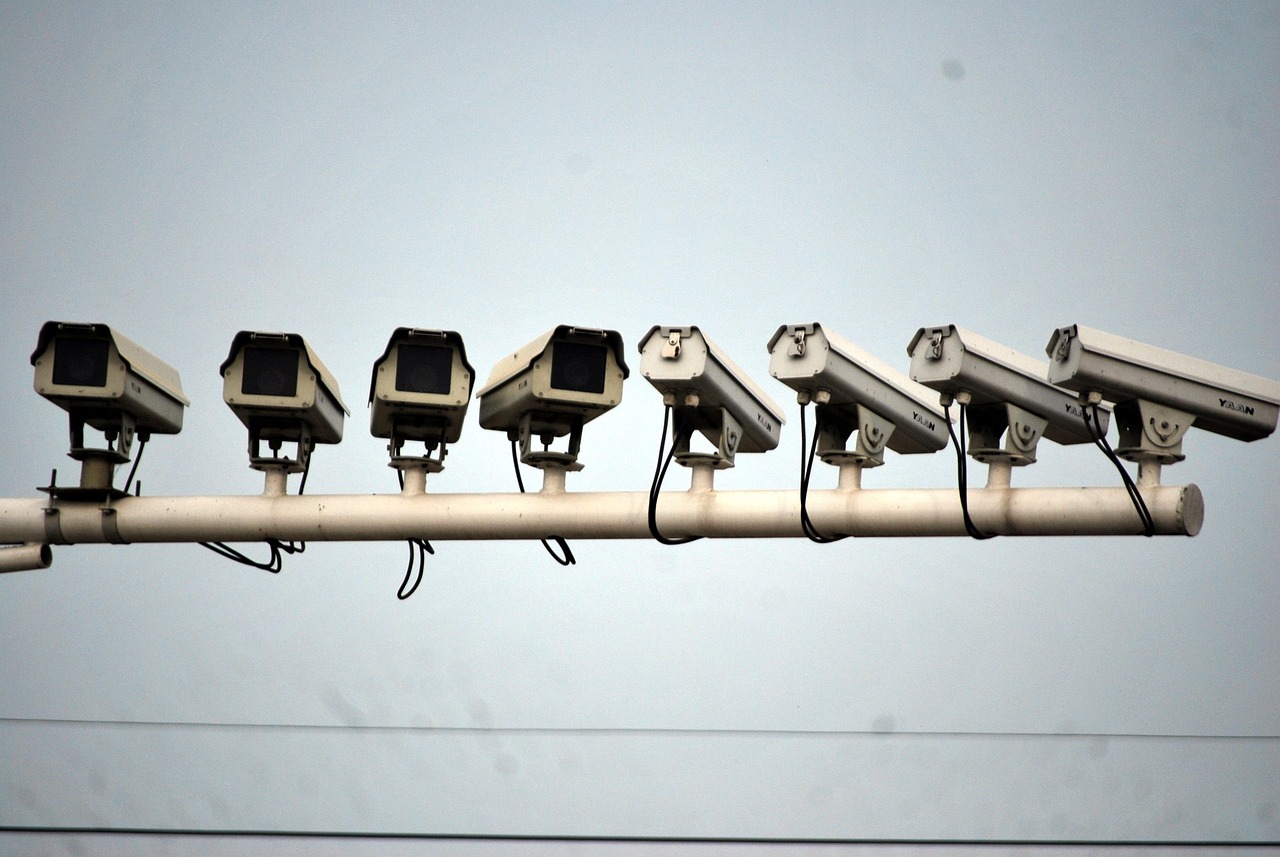
As reported by CISA in advisory ICSA-26-258-01, Digital Watchdog has disclosed a cluster of six vulnerabilities affecting its entire VMAX G4 product lineup with a combined CVSS v3 score of 9.6 — Critical severity. The advisory is notable not for the novelty of the bug classes but for their compounding effect: an unauthenticated remote attacker can chain these flaws to achieve full administrative control of recording devices deployed across commercial facilities, government sites, healthcare, and transportation infrastructure.
Why This Matters Beyond the Patch
Surveillance appliances occupy an awkward position in enterprise security governance. They are physical security assets managed by facilities or loss-prevention teams, yet they are network-attached Linux devices sitting on segments that may bridge to corporate IT. This advisory highlights that gap perfectly. The vulnerabilities include missing authentication for critical functions, hard-coded credentials, missing authorization, and a predictable PRNG seed — a textbook case of an embedded device shipping with legacy design flaws that modern network exposure makes dangerous.
The most concerning entry point is CVE-2026-68953, an authentication bypass that allows unauthenticated remote attackers to disclose sensitive device information including administrator credentials in plaintext via crafted HTTP(S) requests. Once credentials are recovered, the remaining vulnerabilities (authorization flaws and hard-coded credentials) become trivial force multipliers.
Affected Products and CVE Details
| CVE ID | CVSS v3 | Type |
|---|---|---|
| CVE-2026-68953 | 9.6 (Critical) | Authentication bypass / credential disclosure in plaintext |
| CVE-2026-66890 | 9.6 (Critical) | Missing authentication for critical function |
| CVE-2026-68070 | 9.6 (Critical) | Use of hard-coded credentials |
| CVE-2026-68950 | 9.6 (Critical) | Missing authorization |
| CVE-2026-66887 | 9.6 (Critical) | Predictable seed in PRNG |
| CVE-2026-66372 | 9.6 (Critical) | Missing authorization |
Affected products (all versions): VMAX A1 G4 DVRs, VMAX IP G4 NVRs, VMAX A1 PLUS, VA1G4 Recorder, VG4 Recorder.
What elevates this advisory is the blast radius. A compromised DVR is not just a privacy incident — it is a network pivot point. Attackers who gain administrative access can observe physical security patterns, learn guard rotations, and map facility layouts. In healthcare or government deployments, that footage may be subject to regulatory protection well beyond standard breach notification.
Who Is Most Exposed
Shield53 Immediate Actions
- Inventory immediately: Identify all Digital Watchdog VMAX devices on your network. Check management consoles, asset databases, and scan for devices running the affected firmware.
- Apply firmware updates now: Digital Watchdog has released updated firmware. Download and install the appropriate update for each model from the vendor's support portal.
- Isolate surveillance networks: Ensure DVR/NVR appliances sit on dedicated VLANs with no direct internet exposure. Restrict management access to jump hosts or VPN-only paths.
- Rotate all credentials: After patching, change every administrator password on affected devices. Given that hard-coded credentials and plaintext disclosure were in play, assume prior credentials are compromised.
- Audit access logs: Review HTTP(S) access logs on these devices for unusual unauthenticated requests or unexpected source IPs — potential indicators of pre-disclosure exploitation attempts.
- Disable unnecessary services: Turn off any remote access features, cloud management, or UPnP that are not explicitly required by your operational model.
Broader Implications
This advisory reinforces a persistent truth in operational technology security: the convergence of physical and logical security creates attack surfaces that neither team owns end-to-end. Organizations should treat surveillance infrastructure with the same governance rigor applied to industrial control systems — asset inventories, segmentation, patch cadences, and network monitoring. Until that cultural shift happens, expect more advisories like this one.