
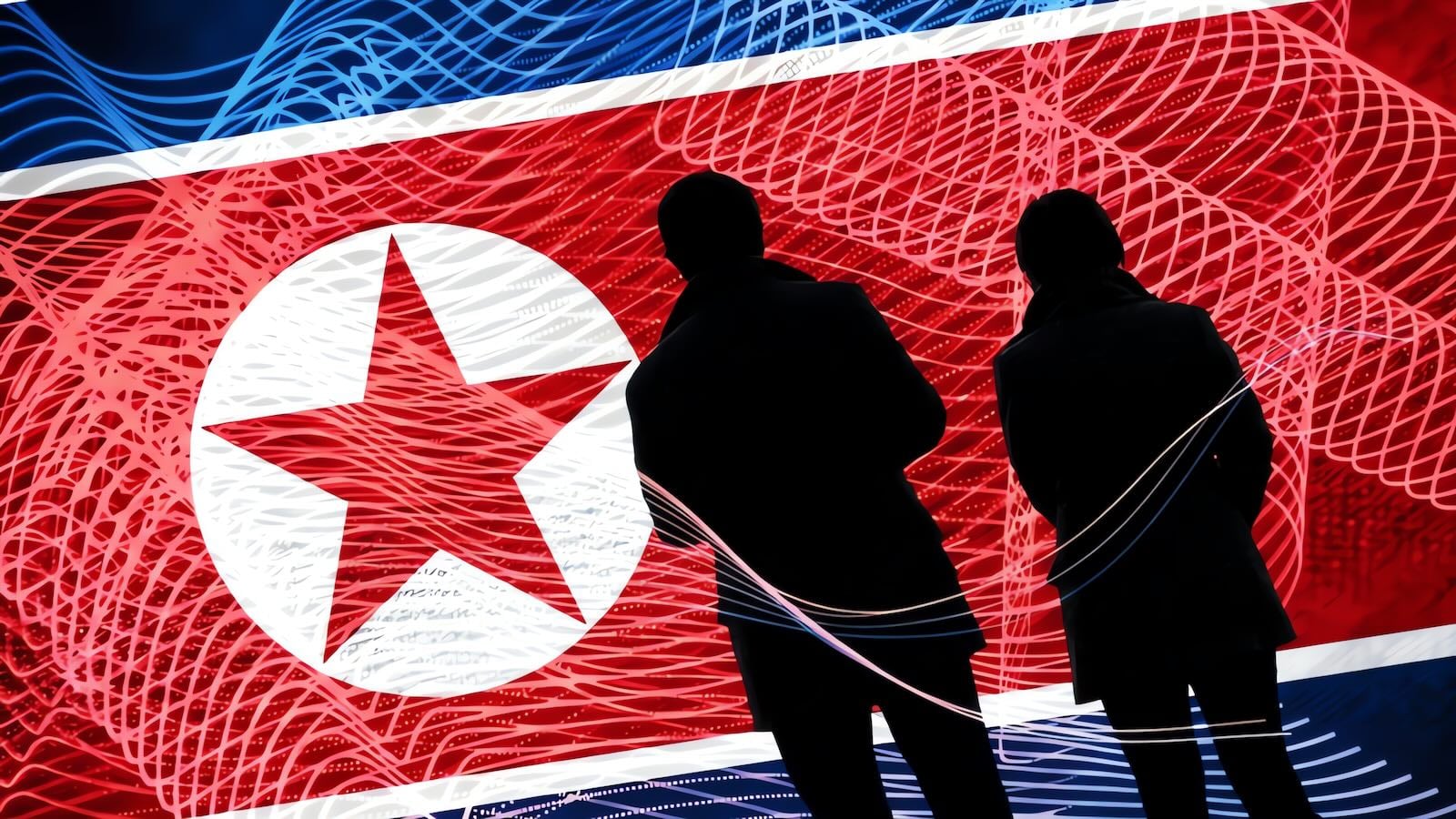
Corporate America has been unknowingly harboring a sophisticated state-sponsored workforce for years. Recent federal prosecutions have exposed how North Korean IT professionals systematically infiltrated over 100 U.S. companies, including Fortune 500 enterprises, through an elaborate identity fraud operation that generated millions in revenue for Pyongyang's weapons programs.
The scheme, which operated from 2021 through late 2024, demonstrates the evolving nature of nation-state threats beyond traditional cyberattacks. Instead of hacking from the outside, North Korean operatives gained trusted insider access to corporate networks by posing as legitimate American workers.
The Anatomy of a State-Sponsored Employment Fraud
The operation relied on a network of U.S.-based facilitators who created the infrastructure necessary to make North Korean workers appear as domestic employees. Two American nationals, recently sentenced to prison terms exceeding seven years each, orchestrated a complex web of shell companies and financial accounts to launder payments and maintain the illusion of legitimate U.S.-based contractors.
The facilitators established multiple front companies with names like Tony WKJ LLC and Hopana Tech LLC, complete with professional websites and business documentation. These entities served as intermediaries between the actual North Korean workers and their unwitting American employers, collecting and redirecting payments while maintaining plausible cover stories.
Perhaps most ingeniously, the operation included physical "laptop farms" distributed across multiple U.S. residences. Company-issued hardware was hosted in these locations, allowing remote North Korean workers to access corporate systems without triggering geographic security alerts that might reveal their true locations.
Identity Theft at Industrial Scale
The scheme depended on stolen identities from more than 80 American citizens, complete with fabricated driver's licenses and Social Security documentation. This identity theft component enabled the creation of convincing employment profiles that passed standard HR screening processes at major corporations.
An international dimension emerged when a Ukrainian national was also prosecuted for supplying stolen identities specifically for this operation. This collaboration highlights how different criminal enterprises can converge to support state-sponsored activities, creating complex attribution challenges for investigators.
Financial and Security Implications
Federal prosecutors estimate the operation generated over $5 million in illicit revenue for North Korea's government while causing approximately $3 million in damages to victimized companies. However, the national security implications extend far beyond these financial figures.
"The ruse placed North Korean IT workers on the payrolls of unwitting U.S. companies and in U.S. computer systems, thereby harming our national security," noted Assistant Attorney General John A. Eisenberg during the prosecutions.
Having authenticated access to corporate networks provided these state-sponsored workers with opportunities for intelligence gathering, intellectual property theft, and potential sabotage operations. The full extent of data exposure may never be completely understood, given the trusted access these individuals maintained over multiple years.
The revenue streams directly supported North Korea's weapons of mass destruction programs, making every victimized company an unwitting contributor to activities that threaten international security. This financial pipeline represents a new model for sanctions evasion that bypasses traditional banking restrictions through legitimate employment relationships.
A Persistent and Growing Threat
This case represents just one piece of a much larger operation. Nine additional defendants connected to the scheme remain at large, with the State Department offering rewards up to $5 million for information leading to their capture or the disruption of related activities.
Federal law enforcement agencies have been tracking this threat for years, with the FBI issuing warnings about North Korean IT workers infiltrating American companies since at least 2023. Intelligence assessments suggest North Korea maintains thousands of IT workers actively seeking employment with foreign companies as part of systematic revenue generation efforts.
The scale and sophistication of these operations indicate they are likely to continue evolving. As remote work becomes increasingly normalized, the geographic ambiguity it creates provides additional cover for state-sponsored infiltration efforts.
What Organizations Should Do
The prosecution of this North Korean IT worker scheme serves as a critical wake-up call for corporate security teams. As nation-state actors adapt their tactics to exploit the modern workplace, organizations must evolve their defensive strategies beyond traditional perimeter security to address the insider threat posed by fraudulent employees operating on behalf of hostile governments.


