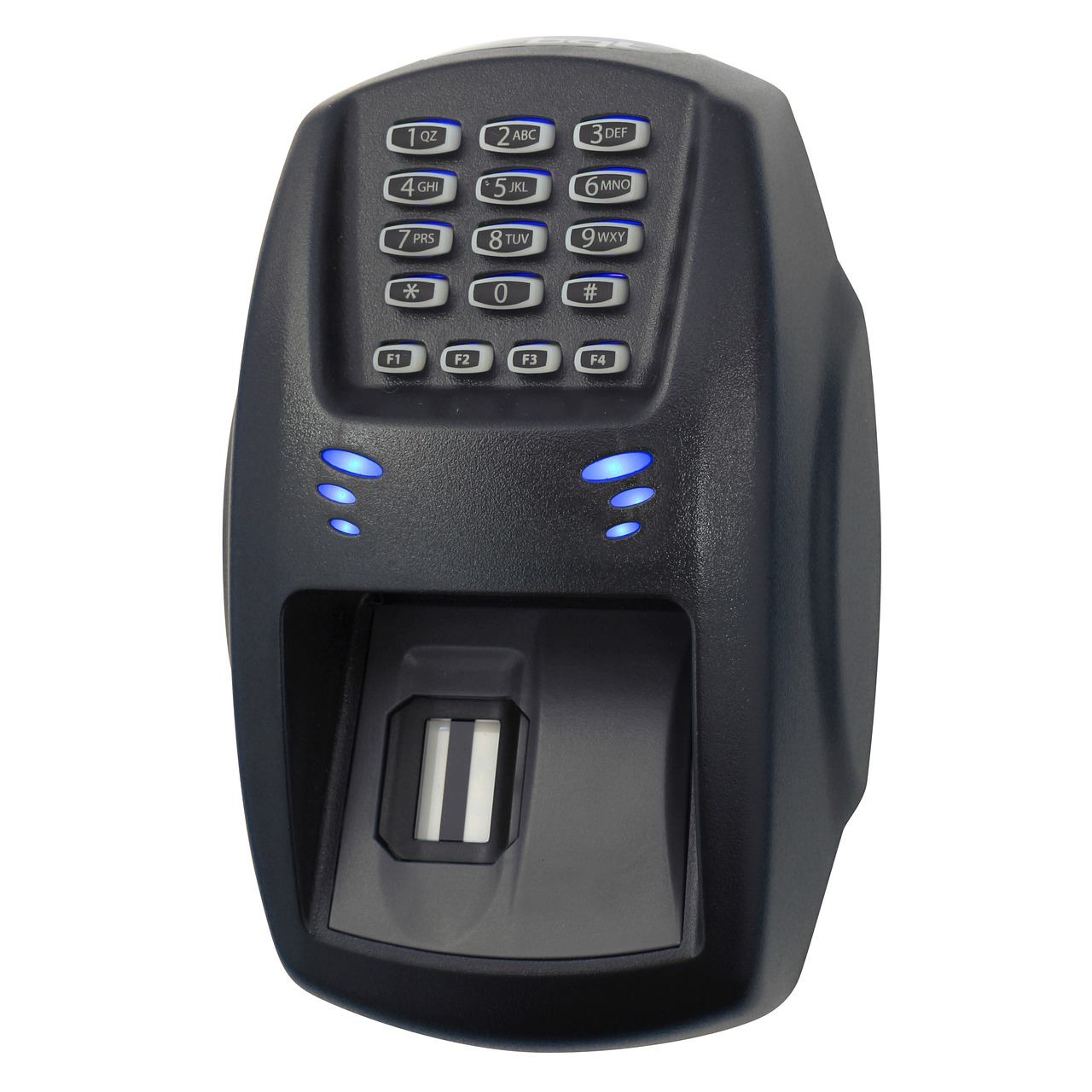
As reported by CISA, a coalition of five US government agencies — CISA, FBI, HHS, USDA, and DOT — has issued a fact sheet warning of active malicious cyber activity targeting industrial refrigeration and cold chain monitoring systems globally. This is not a theoretical concern. The advisory confirms that threat actors are already exploiting unpatched and internet-accessible controllers in retail grocery and cold storage facilities, with immediate real-world consequences including inventory destruction, equipment damage, and potential fire hazards.
Why This Matters More Than Typical ICS Alerts
Industrial refrigeration occupies a unique intersection of operational technology and public health. Unlike many ICS environments where a cyber incident causes downtime, compromised refrigeration controllers can silently degrade product safety over hours or days before anyone notices. The advisory's mention of
indirect harm to consumers if products are consumed after unsafe storageelevates this from a business continuity issue to a potential public health emergency.
The attack vectors identified — authentication bypass, arbitrary code injection, and weak configurations — are not novel. They are the same fundamental weaknesses that have plagued OT environments for over a decade. What makes this notable is the specificity of the targeting. Threat actors are deliberately seeking out temperature controllers, understanding their operational logic, and weaponizing defrost and heating cycles. This requires a level of OT awareness that suggests organized, financially motivated actors rather than opportunistic scanning.
Who Is Most Exposed
The Denial-of-View Problem
The advisory highlights a particularly insidious attack effect: loss of visibility into current temperatures — a denial-of-view condition. This is the OT equivalent of blind spoofing. Operators believe systems are functioning normally while inventory silently moves outside safe temperature ranges. For regulated environments like pharmaceutical cold chains, this can invalidate entire batches with no immediate physical evidence of compromise.
Shield53 Recommendations
Immediate Actions (0–72 Hours)
- Inventory and exposure assessment: Identify all refrigeration controllers, temperature monitors, and cold chain management systems. For each, determine whether it is internet-accessible. Use Shodan, Censys, or internal network scanning to validate.
- Eliminate unnecessary internet exposure: If a controller does not require internet connectivity for its core function, remove it from any internet-facing network segment immediately.
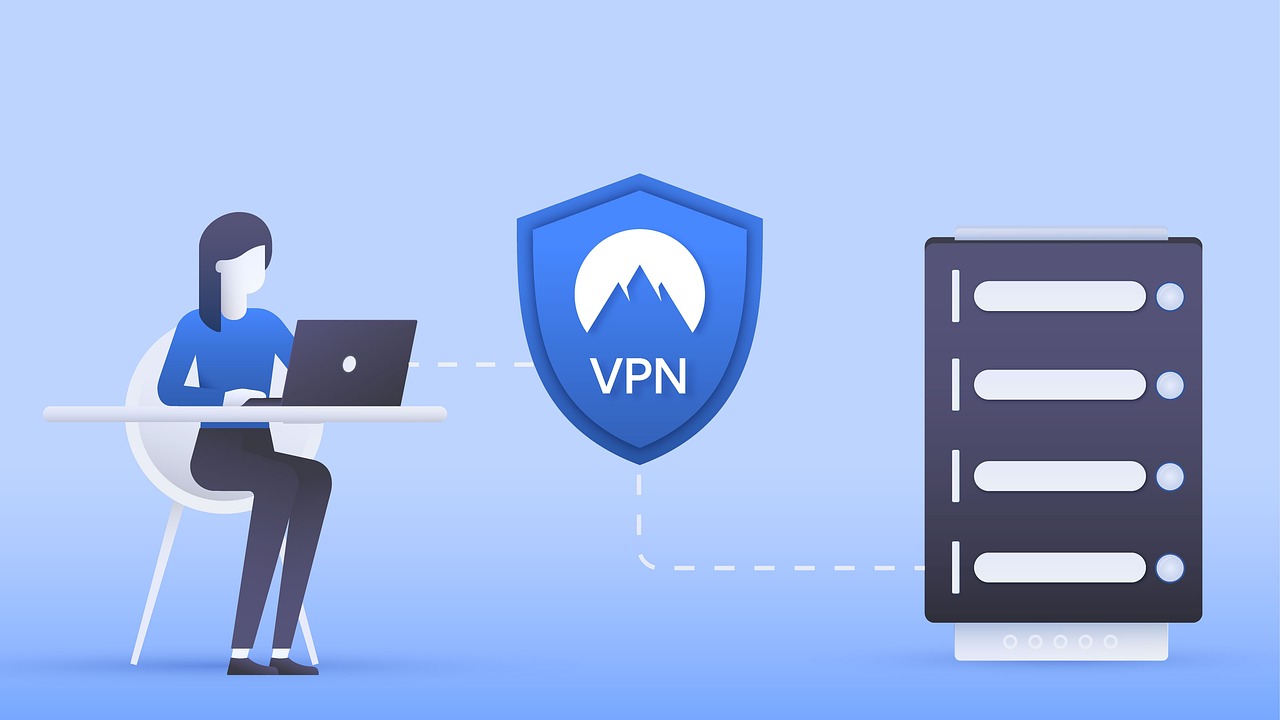
- Secure necessary remote access: Where vendor remote access is required, enforce VPN with MFA, restrict to specific source IPs, and implement session recording. Disable all default credentials.
- Patch and update: Apply all available firmware and software updates from controller manufacturers. Where patches are unavailable, implement compensating controls such as network-level authentication and traffic whitelisting.
Hardening Actions (1–4 Weeks)
- Network segmentation: Isolate refrigeration control networks from corporate IT and other OT segments. Implement deny-by-default firewall rules between zones.
- Continuous monitoring: Deploy OT-aware network monitoring (e.g., passive anomaly detection) on refrigeration control network segments to detect configuration changes, unexpected command sequences, and authentication anomalies.
- Independent temperature validation: Install independent, network-isolated temperature logging devices that cannot be altered via the same control system. Cross-reference readings regularly.
- Incident response playbooks: Develop and rehearse specific procedures for suspected refrigeration controller compromise, including manual override procedures and product quarantine protocols.
Governance Actions
- Review all third-party vendor remote access agreements and contractual security requirements
- Align hardening efforts with the CISA Cross-Sector Cybersecurity Performance Goals (CPGs) referenced in the advisory
- Coordinate with food safety and quality assurance teams to establish temperature excursion thresholds that trigger cyber incident investigations
This advisory is a clear signal that threat actors have moved beyond ransomware against IT systems and are now targeting the physical integrity of cold chain infrastructure. Organizations that treat refrigeration controllers as disposable appliances rather than critical OT assets are accepting a risk that extends far beyond their balance sheets — into consumer safety and public health. The time to act was before this advisory was published. The urgency is now acute.