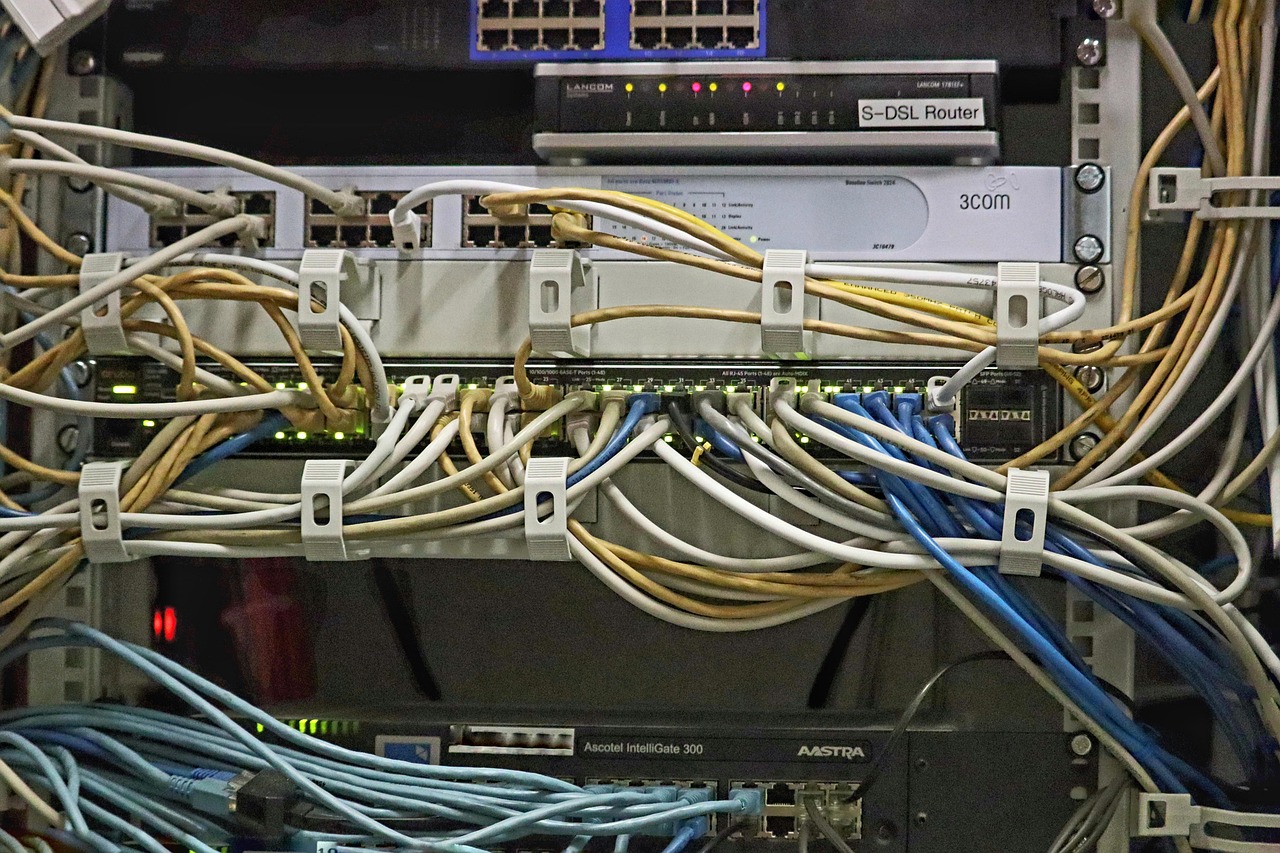
As reported by SecurityAffairs, Canonical experienced its second DDoS attack of 2026, with ubuntu.com, canonical.com, the developer portal, and the Ubuntu Security API rendered intermittently unavailable for over four hours on October 8. While core developer infrastructure — Launchpad, the Snap Store, and software repositories — remained operational, the disruption is a meaningful signal to the broader ecosystem.
Why This Matters Beyond Canonical
Canonical isn't just another enterprise victim. Ubuntu underpins a vast share of global cloud workloads, container images, and IoT deployments. When the security advisory API and Livepatch service become inaccessible, the blast radius extends to automated tooling that organizations rely on for vulnerability triage, compliance reporting, and kernel patching cycles. Four hours of advisory unavailability may not sound catastrophic, but in a security operations center correlating threat intelligence during an active incident, that gap is felt.
The second DDoS in under a year suggests this isn't opportunistic noise — it's a pattern. Someone is testing Canonical's resilience or making a statement about the visibility of open source infrastructure.
The Operational Trade-off Canonical Got Right
What's notable is what stayed online. By decoupling critical infrastructure (Launchpad, Snap Store, SSO, repository mirrors) from the public marketing and documentation layer, Canonical demonstrated sound service-tiering. The April attack took down Launchpad and the Snap Store — this one didn't. That suggests lessons were applied between incidents, though the public-facing layer remains exposed.
Who Is Affected
Broader Implications
No group has claimed responsibility, which leaves motive speculative. However, the pattern of repeat targeting against a foundational open source vendor raises questions about supply chainadjacent pressure campaigns. DDoS may be a low-sophistication tool, but when directed at the right target — the advisory infrastructure that defenders consult during emergencies — it becomes a denial-of-response capability that can degrade incident readiness at scale.
Organizations should also recognize that their reliance on vendor-hosted documentation and APIs represents a single point of failure. The assumption that Canonical's services will always be available is an operational risk that needs explicit acknowledgment.
Shield53 Recommendations
- Cache advisory data locally: Implement a scheduled pull of Ubuntu Security Notices (USN) data into an internal database or SIEM so your tooling doesn't depend on real-time availability of Canonical's API. Set alerting on sync failures.
- Diversify package sources: Ensure your infrastructure references regional Ubuntu mirrors rather than primary Canonical endpoints. Mirror diversity reduces dependency on any single origin during outages.
- Map your vendor dependency tree: Identify every external URL your automation, CI/CD, and security tooling calls. For each, determine the failure mode and document a fallback. This applies to all vendors, not just Canonical.
- Hard-code resilience for Livepatch: If you rely on Canonical Livepatch for zero-downtime kernel patching, understand its availability SLA and have a reboot-based patching procedure documented as a fallback.
- Monitor for repeat patterns: Track DDoS incidents against your critical vendors. Two attacks in a year against the same provider should trigger a vendor risk review and contingency planning conversation.
Canonical's infrastructure held better this time, and that deserves recognition. But the lesson for defenders is clear: vendor availability is not guaranteed, and your security operations shouldn't break when the vendor's website does.