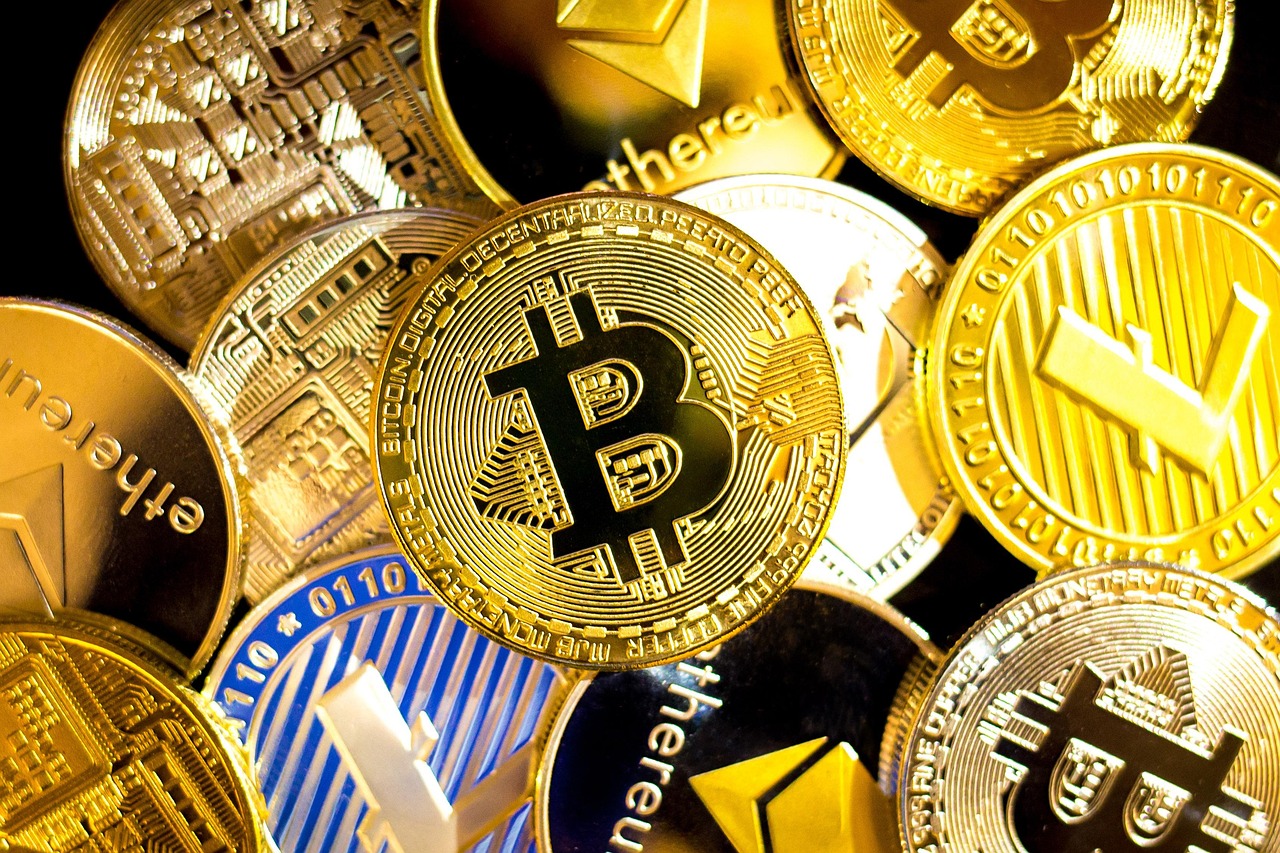
As reported by SecurityAffairs, cryptocurrency exchange Bitget disclosed a $351.6 million theft on September 24, 2026, attributed to suspected North Korea-linked threat actors. The breach involved hot and warm wallets across multiple chains — ETH, XRP, BNB, AVAX, USDT, and USDC — and was triggered by compromise of a backend wallet system that enabled transaction spoofing and authorization bypass.
This incident is significant not just for its scale — placing it among the largest crypto exchange thefts on record — but for what it reveals about the evolving tradecraft of DPRK-affiliated groups like Lazarus subclusters. The attack vector described by Bitget CEO Gracy Chen is not a simple private-key theft. It is a multi-stage compromise of wallet infrastructure, transaction data spoofing, and authorization bypass. That combination points to a sophisticated understanding of exchange internals.
Why This Matters Beyond Bitget
The crypto industry has spent years hardening cold storage and multi-signature workflows. But the gap between hot/warm wallets and cold storage remains a persistent attack surface. Bitget's disclosure confirms that DPRK operators are now targeting the backend orchestration layer — the systems that construct, sign, and broadcast transactions — rather than simply stealing keys from endpoints or phishing individual employees.
The attacker reportedly compromised a critical backend system within the wallet infrastructure, spoofed transaction data, and bypassed authorization — a chain that suggests deep reconnaissance of internal signing workflows.
This is a pattern we expect to see repeated. If attackers can manipulate transaction payloads before they reach a signing service, even HSM-backed key custody can be circumvented. The signing layer becomes the new perimeter.
Attribution Confidence and DPRK Patterns
Bitget cited IP behavior patterns and on-chain analysis consistent with known North Korean groups. While attribution at this stage is preliminary, the methodology aligns with documented DPRK operations including the 2023 Atomic Wallet incident, the 2024 DMM Bitcoin theft, and multiple supply-chain compromises of crypto-adjacent software. The FBI and UN Panel of Experts have repeatedly confirmed that DPRK cyber actors generate significant revenue for the regime's weapons programs through crypto theft — estimated at over $3 billion cumulatively.
What Defenders Should Be Watching
Shield53 Recommendations
For Cryptocurrency Exchanges and Custody Platforms
- Conduct a full architecture review of wallet orchestration systems, mapping every component that can influence transaction construction before signing.
- Implement transaction policy enforcement at the signing/HSM layer — not just at the application layer — including destination allowlisting and anomaly detection on transaction parameters.
- Segment hot, warm, and cold wallet infrastructure at the network and identity level. Backend wallet systems should have no internet egress beyond required RPC endpoints.
- Deploy deception assets (canary transactions, honey-token wallets) within warm wallet infrastructure to detect lateral movement early.
- Pre-establish communication channels and rapid-freeze agreements with major blockchain foundations and桥 validators.
- Engage in regular red team exercises specifically simulating DPRK-style backend compromise scenarios, not just standard key-extraction attacks.
For Enterprise Security Teams More Broadly
- Treat any third-party custody or exchange integration as a high-risk supply chain relationship. Demand evidence of transaction-level controls, not just SOC 2 compliance.
- Brief executive teams on DPRK crypto-theft operations as part of geopolitical risk planning — these groups are motivated, funded, and operate with state-level resources.
- Monitor blockchain analytics feeds for movement of funds from known DPRK-linked wallets, as laundering activity often precedes subsequent attacks.
The Bitget incident is a stark reminder that in the cryptocurrency space, the most valuable defensive investment is not in perimeter security but in the integrity of the transaction pipeline itself. As long as hot and warm wallets exist to service liquidity demands, they will remain the target. The question for every exchange is whether their signing architecture can survive compromise of the systems upstream of it.