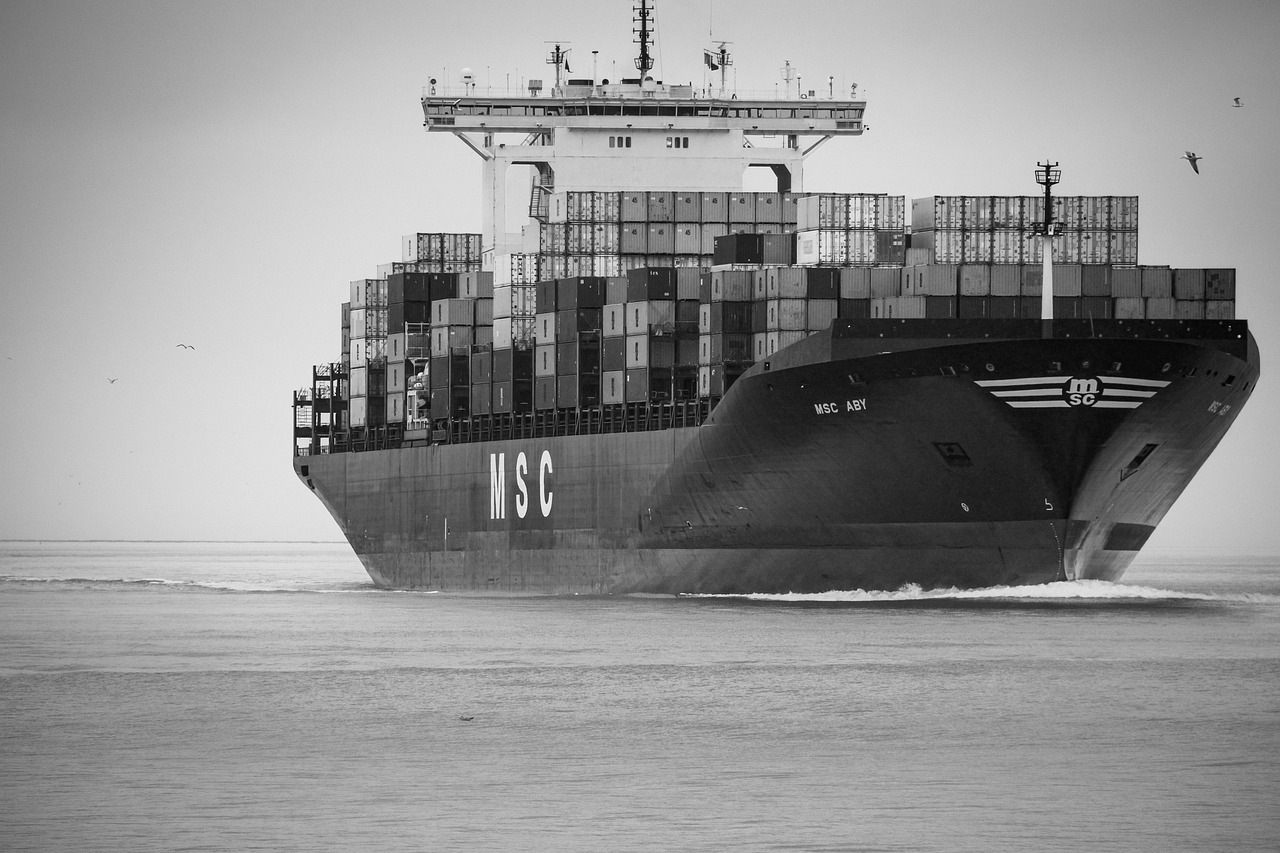
As reported by SecurityAffairs, U.S. authorities are investigating suspected cyberattacks against up to 50 commercial vessels — including oil tankers, LNG carriers, and chemical transport ships — with Iran identified as the primary suspect and Russian involvement also under consideration. The attacks combined network intrusions with physical intimidation tactics including bomb threats and ransom demands, marking a dangerous escalation in maritime cyber warfare.
This investigation follows a September joint alert from the U.S. Coast Guard Cyber Command and the FBI warning that state-sponsored actors were actively exploiting FortiGate vulnerabilities in maritime environments. The vessels reportedly targeted — including the VL Prosperity, Kohaku, and Vivit Africa — represent a cross-section of hazardous cargo shipping, where a compromised navigation or cargo management system could trigger environmental catastrophe, loss of life, or economic disruption.
Why This Matters Beyond the Headline Count
The number 50 is less important than what these incidents reveal about systemic exposure. Modern commercial vessels are floating industrial control systems — their IT networks managing communications and logistics are increasingly bridged to OT environments controlling propulsion, steering, ballast, and cargo handling. When attackers compromise a ship's network through an edge device like a FortiGate firewall, they gain a foothold adjacent to systems whose failure can sink the vessel or ignite volatile cargo.
The blend of cyber intrusion and physical intimidation is particularly notable. Threat actors are not merely testing access — they are signaling capability and intent. Receiving a bomb threat aboard a vessel that has also been silently compromised creates a multi-domain crisis that traditional maritime security protocols were not designed to handle.
The Fortinet Attack Surface
Fortinet appliances are pervasive across maritime IT environments, often deployed as VPN gateways and edge firewalls on vessels and at shore-based operations centers. Multiple critical FortiOS vulnerabilities have been actively exploited over the past 18 months, including authentication bypass and remote code execution flaws that require no user interaction. The exposure profile is compounded by the reality that many vessels operate with limited onboard IT staff, delayed patch cycles due to operational windows, and devices that may run unsupported firmware versions.
The maritime sector's patching lag — sometimes measured in months due to drydock schedules — creates an asymmetric advantage for adversaries who can exploit disclosed vulnerabilities long before fleet-wide remediation is feasible.
Who Is Most at Risk
Shield53 Recommendations
Immediate Actions
- Audit all Fortinet devices fleet-wide — inventory every FortiGate, FortiManager, and FortiAnalyzer appliance across vessels and shore facilities; record firmware versions and exposure status
- Patch to current FortiOS releases — prioritize devices with internet-facing interfaces; if drydock constraints prevent immediate patching, apply vendor-recommended mitigations and restrict management access to trusted IPs only
- Disable unused SSL-VPN features — if remote access is not operationally required, disable the SSL VPN portal to eliminate the most common exploitation vector
- Deploy network segmentation between IT and OT — ensure that compromises of communications networks cannot traverse to vessel control systems; implement deny-by-default policies between zones
- Establish ship-to-shore incident reporting protocols — crews need a defined channel to report anomalous system behavior, and shore teams need 24/7 monitoring capability for fleet-wide device telemetry
- Review Coast Guard and FBI guidance — implement the mitigation recommendations from the September maritime cyber alert and ensure compliance with MTSA and IMO 2021 cyber requirements
Strategic Posture
Maritime operators must treat vessel networks as operational technology environments subject to nation-state targeting — not as standard corporate IT. This means extending detection coverage to onboard systems, conducting regular penetration testing of shipboard networks, and integrating cyber risk into safety management systems under ISM Code frameworks. The convergence of IT and OT on vessels is irreversible; the security model must catch up.