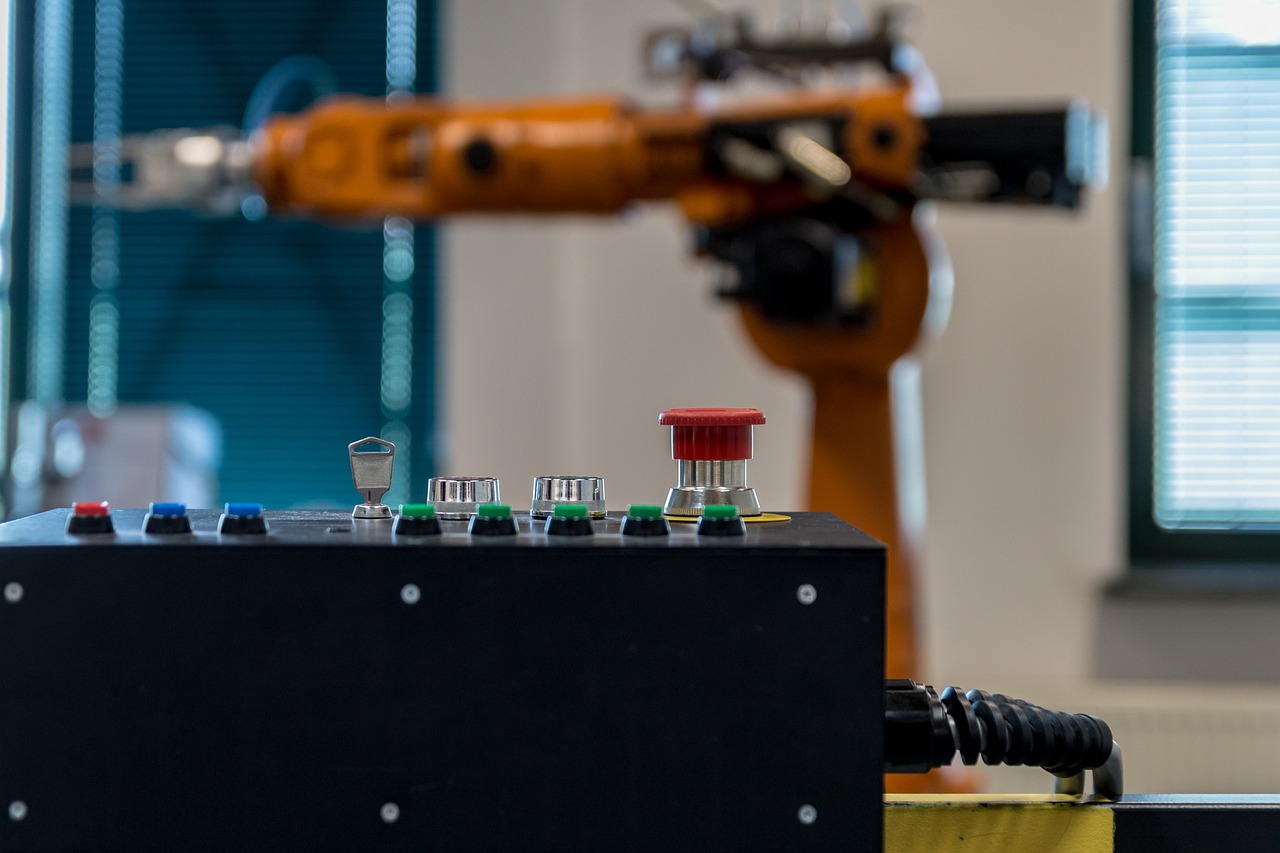
As reported by Dark Reading, researchers demonstrated that an AI system could take control of a robotic arm in just 16 minutes — a timeline that should alarm every OT security practitioner. This isn't a theoretical concern about future capabilities; it's a present-day demonstration of how machine-speed attacks invalidate the assumptions underpinning most industrial security programs.
Why This Matters: The Timeline Collapse
The 16-minute compromise window is the critical insight here. Traditional OT security frameworks are built around the assumption that attacks unfold over hours, days, or weeks — providing defenders time to detect anomalies, investigate, and respond. When AI compresses exploitation to minutes, several foundational controls break down:
Who Is Most Exposed
The utility and manufacturing sectors face the highest risk from this attack pattern. As the reporting notes, most OT devices in these environments have been operational for a decade or longer. These systems were designed in an era where network isolation was assumed, authentication was minimal, and protocols like Modbus, DNP3, and CIP ran without encryption or integrity checks. AI-assisted attacks can now enumerate, fingerprint, and exploit these inherent weaknesses faster than any human attacker — and certainly faster than any human defender.
The threat isn't just that AI makes attacks faster — it's that AI makes complex attacks accessible to less-skilled operators who couldn't previously execute sophisticated OT exploits. This dramatically expands the attacker population.
The AI Asymmetry Problem
What's particularly concerning is the asymmetry: attackers need AI to succeed only once, while defenders must detect and respond every time. Current OT monitoring solutions — where they exist at all — rely heavily on signature-based detection and human review. Against AI-driven attacks that can adapt in real-time, signature-based approaches are fundamentally outmatched.
Beyond the Robotic Arm
A robotic arm is a compelling demonstration, but the implications extend across the OT landscape. Any programmable logic controller (PLC), distributed control system (DCS), or human-machine interface (HMI) with network exposure represents a similar target surface. The robotic arm simply makes the physical consequences tangible — a misdirected arm can cause physical damage, product tampering, or safety incidents that IT-only breaches cannot.
Shield53 Recommendations
- Implement passive OT monitoring with anomaly detection capable of identifying unusual protocol behavior in seconds, not hours. Solutions like Claroty, Nozomi, or Dragos provide this capability where deployed.
- Enforce strict network segmentation between IT and OT environments using physical or firewall-based separation — not just VLANs. Ensure bidirectional restrictions, as many OT attacks originate from compromised IT systems.
- Deploy deceptive technology (OT honeypots) to detect reconnaissance early — AI-driven attacks must enumerate the environment first, and decoys can trigger alerts before real assets are targeted.
- Develop machine-speed response playbooks — pre-scripted containment actions that can be triggered automatically when high-confidence indicators appear, rather than waiting for analyst approval.
- Audit and inventory all robotic systems, PLCs, and HMIs for default credentials, exposed management interfaces, and unencrypted protocols. Remediate immediately where possible; compensating controls where not.
- Engage vendor security teams to understand whether your specific robotic arm or controller models have been tested against AI-assisted attack techniques — and demand hardening guidance if they haven't.
The era of relying on the complexity of OT environments as a defensive moat is ending. AI is draining that moat quickly. Organizations that treat this as a future problem rather than a current reality will find themselves on the wrong side of a 16-minute window.